Related news to Covid-19

Updated analysis of US COVID19 deaths shows drops disparities in average lifespans - کرونا و امید به زندگی

In the US, COVID-19 reduced overall life expectancy by over 1.3 years, with the effects on Black and Latino populations 2 to 3 times those for the white population.

The updated analysis, which included the more than 380,000 US COVID-19 deaths in 2020 and used 2018 life expectancies as a comparison, indicates that COVID-19 reduced overall life expectancy by 1.31 years (up from the initial estimate of 1.13 years lost) to 77.43 years. The reductions in average lifespan are more than three times as large for Latinos (3.03 years) and twice as large for the Black population (1.90 years) compared to whites (0.94 years). Cell Host & Microbe

Release date: 24 Jun 2021
Source: University of Southern California

How a corona infection changes blood cells in the long run - تاثیر درازمدت کرونا بر سلول های خونی

Using real-time deformability cytometry, researchers at the Max-Planck-Zentrum für Physik und Medizin in Erlangen were able to show for the first time: Covid-19 significantly changes the size and stiffness of red and white blood cells – sometimes over months. These results may help to explain why some affected people continue to complain of symptoms long after an infection (long covid).

Shortness of breath, fatigue and headaches: some patients still struggle with the long-term effects of a severe infection by the SARS-CoV-2 coronavirus after six months or more. This post Covid-19 syndrome, also called long covid, is still not properly understood. What is clear is that — during the course of the disease — often blood circulation is impaired, dangerous vascular occlusions can occur and oxygen transport in is limited. These are all phenomena in which the blood cells and their physical properties play a key role.

The research group has now published their results in the renowned journal “Biophysical Journal“.

Release date: 17 Jun 2021
Source: Max-Planck-Gesellschaft

COVID19 Reduced sense of taste and smell lingers - میزان ماندگاری اختلال بویایی و چشایی به دنبال کرونا

Patients with mild COVID-19 infections experience a significantly increased longer lasting reduced sense of taste and smell; this is also the case for long-term shortness of breath, although relatively few people are affected.

Patients with mild Covid-19 infections experience a significantly increased longer lasting reduced sense of taste and smell. This is also the case for long-term shortness of breath, although relatively few people are affected. And women and the elderly are particularly affected. This is shown by new research findings from Aarhus University Aarhus University Hospital and Regional Hospital West Jutland

The last 14 months have taught us that there are different symptoms and outcomes of Covid-19. However, the vast majority of people who fall ill with Covid-19 experience mild symptoms and get over the disease in two to three weeks.

These are precisely some of the people who have been the subject of a new study from AUH, HEV and AU. In the study, researchers have compared symptoms on a daily basis for up to 90 days in 210 healthcare workers who had tested positive and 630 with a negative test.

Each day, the participants received a link to a questionnaire on whether they had experienced one of the following symptoms within the last 24 hours: coughing, sore throat, headaches, fever, muscle pain, shortness of breath and reduced sense of taste and smell.

The scientific article can be read in the International Journal of Infectious Diseases.

Release date: 29 Jun 2021
Source: EurekAlert

New face mask prototype can detect Covid19 infection - ماسک کرونا شناس

The sensor technology could also be used to create clothing that detects a variety of pathogens and other threats.

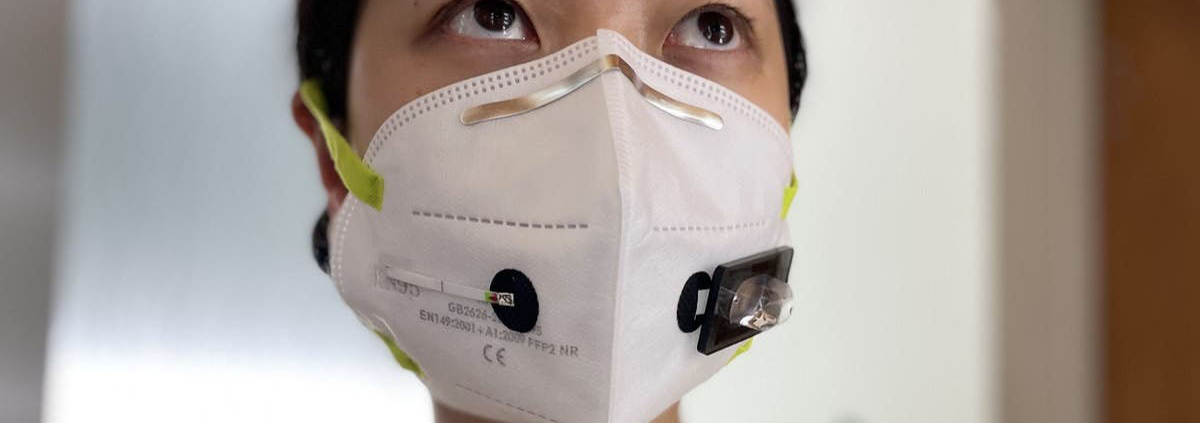
Engineers at MIT and Harvard University have designed a novel face mask that can diagnose the wearer with Covid-19 within about 90 minutes. The masks are embedded with tiny, disposable sensors that can be fitted into other face masks and could also be adapted to detect other viruses.

The sensors are based on freeze-dried cellular machinery that the research team has previously developed for use in paper diagnostics for viruses such as Ebola and Zika. In a new study, the researchers showed that the sensors could be incorporated into not only face masks but also clothing such as lab coats, potentially offering a new way to monitor health care workers’ exposure to a variety of pathogens or other threats.

Release date: 28 Jun 2021
Source: Massachusetts Institute of Technology

When did the first COVID19 case arise - تاریخ تولد ویروس منحوس

Evidence is building that its origin as a zoonotic spillover occurred prior to the officially accepted timing of early December, 2019. The first case of Covid likely arose between early October and mid November 2019 in China, earlier than officially reported.

The origins of the ongoing Covid-19 pandemic remain unclear. The first officially identified case occurred in early December 2019. Yet, this research published by PLOS Pathogens supports growing evidence that the Covid-19 pandemic arose sooner and grew more rapidly than officially reported.

Release date: 25 Jun 2021
Source: University of Kent

Unhappy Birthdays - جشن تولدهای تراژدیک!

New analysis reveals link between birthdays and COVID-19 spread during the height of the pandemic.

In counties with already high COVID-19 infection rates, birthday bashes may have fueled infection spread during the peak months of the pandemic, according to a new analysis led by researchers at Harvard Medical School and the RAND Corporation.

The report, published in JAMA Internal Medicine , shows that in counties with high rates of COVID-19, households with recent birthdays were 30 percent more likely to have a COVID-19 diagnosis, compared with households with no birthdays. The analysis is based on data from health insurance claims.

Release date: 21 Jun 2021
Source: Harvard Medical School

Common Diabetes Drug Shows Promise as Treatment for COVID19 Lung Inflammation - اثرات ضدکرونایی متفورمین

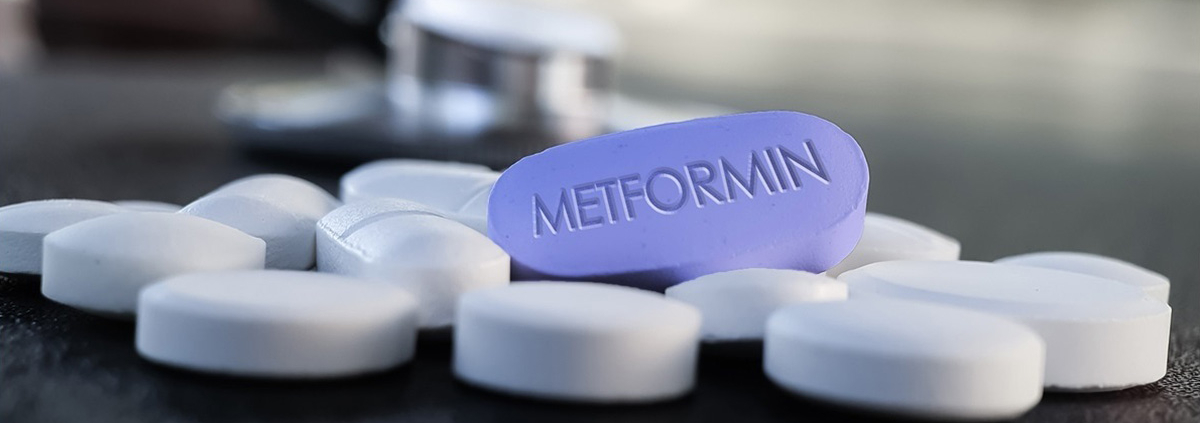
Metformin is a widely prescribed blood sugar-lowering drug. It is often used as an early therapy (in combination with diet and lifestyle changes) for type 2 diabetes, which afflicts more than 34 million Americans.

Metformin works by lowering glucose production in the liver, reducing blood sugar levels that, in turn, improve the body’s response to insulin. But scientists have also noted that metformin possesses anti-inflammatory properties, though the basis for this activity was not known.

In a study published in the journal Immunity, a multi-institution team led by researchers at University of California San Diego School of Medicine identified the molecular mechanism for the anti-inflammatory activity of metformin and, in mouse studies, found that metformin prevents pulmonary or lung inflammation in animals infected with SARS-CoV-2, the virus that causes COVID-19.

Release date: 08 Jun 2021
Source: University of California – San Diego

COVID19 Linked to Alzheimers Disease like Cognitive Impairment - اختلالات شناختی کووید۱۹

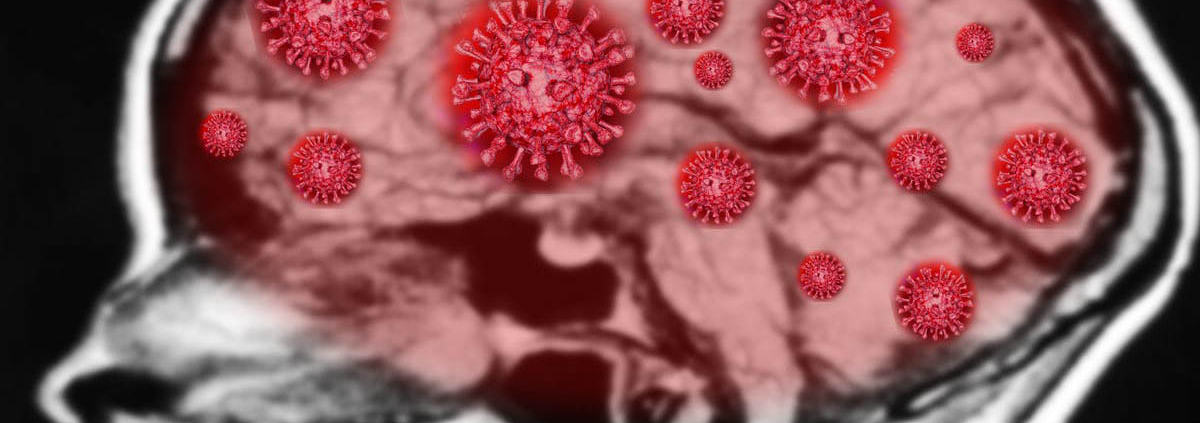
A new Cleveland Clinic-led study has identified mechanisms by which COVID-19 can lead to Alzheimer’s disease-like dementia. The findings, published in Alzheimer’s Research & Therapy, indicate an overlap between COVID-19 and brain changes common in Alzheimer’s, and may help inform risk management and therapeutic strategies for COVID-19-associated cognitive impairment.

Reports of neurological complications in COVID-19 patients and “long-hauler” patients whose symptoms persist after the infection clears are becoming more common, suggesting that SARS-CoV-2 (the virus that causes COVID-19) may have lasting effects on brain function. However, it is not yet well understood how the virus leads to neurological issues.

Release date: 10 Jun 2021
Source: Cleveland Clinic

COVID19 Reinfection Rate Less Than 1% for Those with Severe Illness - ابتلای مجدد به کرونای شدید

A review of more than 9,000 U.S. patients with severe COVID-19 infection showed less than 1% contracted the illness again, with an average reinfection time of 3.5 months after an initial positive test.

The researchers teamed up with the MU Institute for Data Science and Informatics and the Tiger Institute for Health Innovation to review data from 62 U.S. health care facilities. They found 63 of the 9,119 patients (0.7%) with severe COVID-19 infection contracted the virus a second time, with a mean reinfection period of 116 days. Of the 63 who were reinfected, two (3.2%) died. Patients categorized as non-white were at greater risk of reinfection than white patients.

Their study, “Re-infection with SARS-CoV-2 in Patients Undergoing Serial Laboratory Testing,” was recently published in the journal Clinical Infectious Diseases.

Release date: 15 Jun 2021
Source: University of Missouri-Columbia

Gene protection for Covid19 identified - نقش ژنتیک در ابتلا به کرونا

The first evidence of a genetic link explaining why some people who catch Covid-19 don’t become sick has been discovered.

A scientific and medical team led by Newcastle University, UK, have demonstrated that the gene, HLA-DRB1*04:01, is found three times as often in people who are asymptomatic. This suggests that people with this gene have some level of protection from severe Covid.

The study, funded by Innovate UK, the UK’s innovation agency, compared asymptomatic people to patients from the same community who developed severe Covid but had no underlying illnesses, and is published today in the HLA journal.

The study team believe this is the first clear evidence of genetic resistance because this study compared severely affected people with an asymptomatic COVID group and used next generation sequencing to focus in detail and at scale on the HLA genes which are packed together on chromosome 6. Other studies have scanned the whole genome but that approach is less effective in the tissue typing complex.

Genome wide studies can be likened to a satellite image. The high density and complexity of the histocompatibility complex and variation in different populations means significant variation can be overlooked. For example, different alleles or versions of the same gene could have opposite effects on the immune response. This study was much more focused and compared symptomatic to asymptomatic in the same population revealing the “protective” qualities of the allele.

Release date: 04 Jun 2021
Source: Newcastle University