
Public Health

almost 20 per cent of COVID-19 patients only show gastrointestinal symptoms - کرونا در حدود 20% موارد صرفا علایم گوارشی دارد

Almost one in five patients with COVID-19 may only show gastrointestinal symptoms, according to a review of academic studies published in the journal Abdominal Radiology. The findings of the review suggest abdominal radiologists need to remain vigilant during the pandemic while imaging patients.

Gastrointestinal symptoms associated with COVID-19 vary widely but can include loss of appetite, nausea, vomiting, diarrhea and generalized abdominal pain. The researchers who conducted the review report that 18 per cent of patients presented with such symptoms, while 16 per cent of COVID-19 cases may only present with gastrointestinal symptoms.

In addition to gastrointestinal symptoms, they also determined potential signs radiologists should look for while conducting abdominal imaging that could be evidence of COVID-19 infection. Those signs include inflammation of the small and large bowel, air within the bowel wall (pneumatosis) and bowel perforation (pneumoperitoneum). The signs are quite rare, said the researchers, and could indicate patients with advanced disease.

Release date: 3 November 2020
Source: University of Alberta Faculty of Medicine & Dentistry

Social isolation puts women at higher risk of hypertension - تنهایی باعث افزایش فشارخون در بانوان می شود

It’s no secret that loneliness and social isolation have a negative impact on the mental and physical health of older adults. Now, researchers at the University of British Columbia are discovering that social isolation affects the health of men and women in different ways—including placing women at higher risk of high blood pressure.

In a study in the Journal of Hypertension, researchers discovered that middle aged and older women who lacked social ties were much more likely than men to suffer from hypertension—a known risk factor for heart disease, which is the leading cause of death among women—and stroke.

Release date: 28  October 2020
Source: University of British Columbia

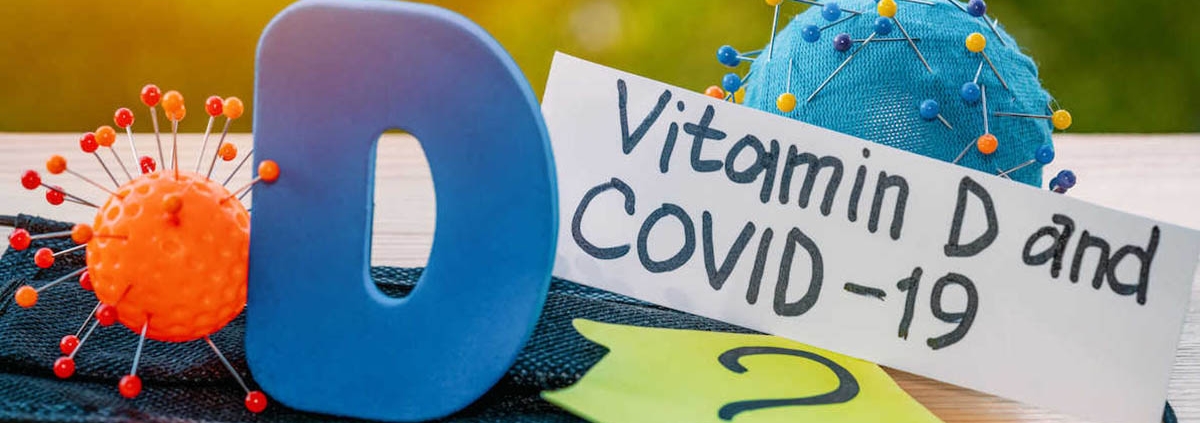
Over 80 percent of COVID-19 patients have vitamin D deficiency - اکثریت بیماران مبتلا به کووید 19 دچار کمبود ویتامین دی هستند

Over 80 percent of 200 COVID-19 patients in a hospital in Spain have vitamin D deficiency, according to a new study published in the Endocrine Society’s Journal of Clinical Endocrinology & Metabolism.

Vitamin D is a hormone the kidneys produce that controls blood calcium concentration and impacts the immune system. Vitamin D deficiency has been linked to a variety of health concerns, although research is still underway into why the hormone impacts other systems of the body. Many studies point to the beneficial effect of vitamin D on the immune system, especially regarding protection against infections.

The researchers found 80 percent of 216 COVID-19 patients at the Hospital Universitario Marqués de Valdecilla had vitamin D deficiency, and men had lower vitamin D levels than women. COVID-19 patients with lower vitamin D levels also had raised serum levels of inflammatory markers such as ferritin and D-dimer.

Release date: 27 October 2020
Source: The Endocrine Society

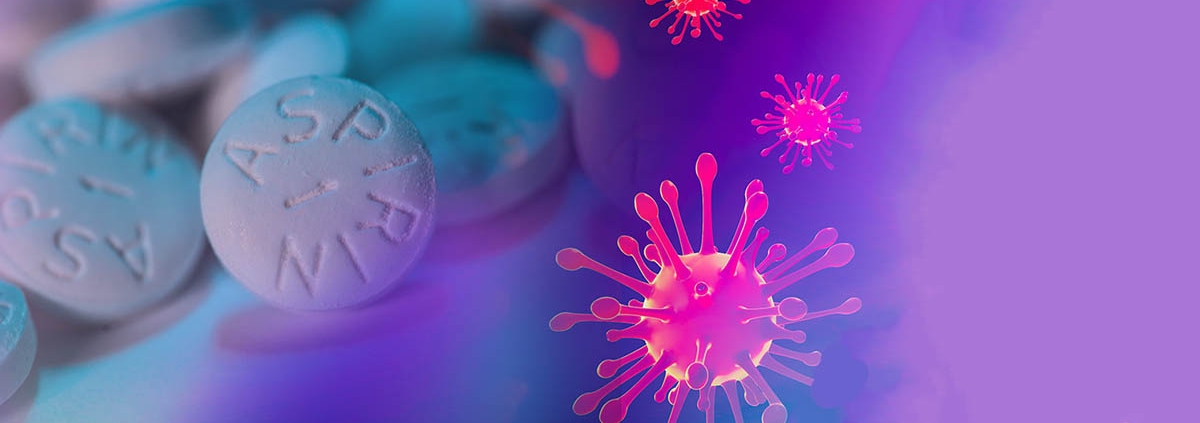
Aspirin Use Reduces Risk of Death in Hospitalized COVID-19 Patients - آسپرین خطر مرگ در بیماران بستری مبتلا به کرونا را کاهش می دهد

Hospitalized COVID-19 patients who were taking a daily low-dose aspirin to protect against cardiovascular disease had a significantly lower risk of complications and death compared to those who were not taking aspirin.

The researchers found aspirin use was associated with a 44 percent reduction in the risk of being put on a mechanical ventilator, a 43 percent decrease in the risk of ICU admission and – most importantly – a 47 percent decrease in the risk of dying in the hospital compared to those who were not taking aspirin. The patients in the aspirin group did not experience a significant increase in adverse events such as major bleeding while hospitalized.

The study, published today in the journal Anesthesia and Analgesia.

Release date: 22 October 2020
Source: University of Maryland School of Medicine

High flavanol diet may lead to lower blood pressure - تغذیه مناسب بیماران مبتلا به فشارخون بالا

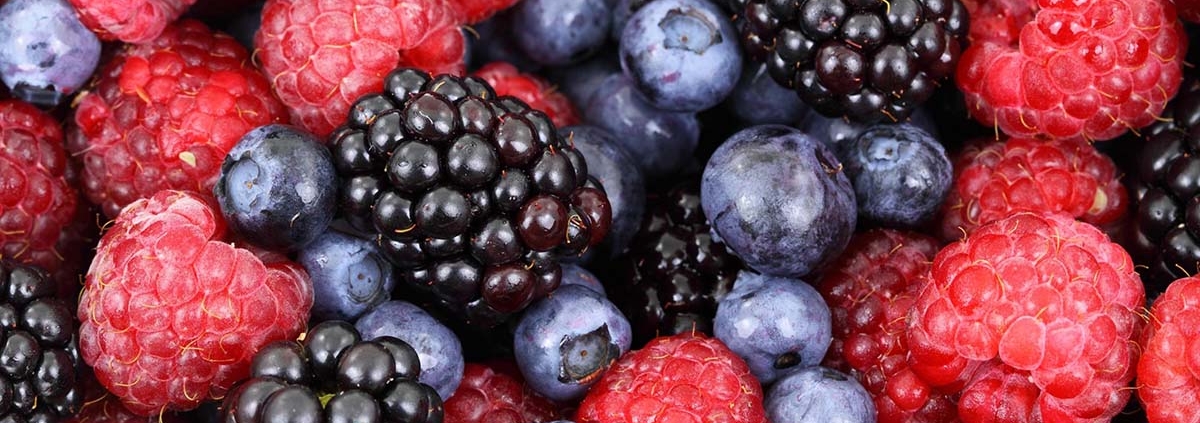
People who consume a diet including flavanol-rich foods and drinks, including tea, apples and berries, could lead to lower blood pressure, according to the first study using objective measures of thousands of UK residents’ diet.

The findings, published in Scientific Reports, studied the diet of more than 25,000 people in Norfolk, UK and compared what they ate with their blood pressure. In contrast to most other studies investigating links between nutrition and health, the researchers did not rely on study participants reporting their diet, but instead measured flavanol intake objectively using nutritional biomarkers  – indicators of dietary intake, metabolism or nutritional status that are present in our blood.

Release date: 21 October 2020
Source: University of Reading

Statins may reduce cancer risk - داروهای استاتینی و کاهش خطر سرطان

Cholesterol-lowering drugs called statins may reduce cancer risk in humans through a pathway unrelated to cholesterol, says a study published today in eLife.

Statins reduce levels of LDL-cholesterol, the so-called ‘bad’ cholesterol, by inhibiting an enzyme called HMG-CoA-reductase (HMGCR). Clinical trials have previously demonstrated convincing evidence that statins reduce the risk of heart attacks and other cardiovascular diseases. But evidence for the potential effect of statins to reduce the risk of cancer is less clear.

Release date: 13 October 2020
Source: eLife

SARS-COV-2 virus survivability - طول عمر ویروس کرونا روی سطوح مختلف

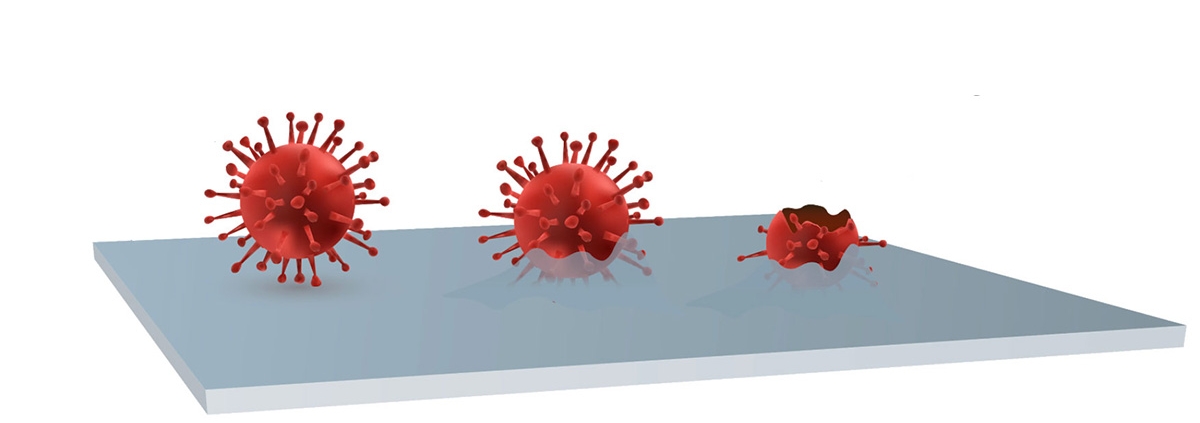
COVID-19 causing virus lasts for 10 days longer than Influenza on some surfaces. Lower temps, glass, stainless steel and paper banknotes give virus longer life.

Researchers at CSIRO, Australia’s national science agency, have found that SARS-CoV-2, the virus responsible for COVID-19, can survive for up to 28 days on common surfaces including banknotes, glass – such as that found on mobile phone screens – and stainless steel.

Results from the study The effect of temperature on persistence of SARS-CoV-2 on common surfaces  was published in Virology Journal.

Release date: 12 October 2020
Source: CSIRO Australia

Previous infection with other types of coronaviruses may lessen severity of COVID-19 - ابتلا قبلی به سرماخوردگی می تواند باعث کاهش شدت ابتلا به کرونا گردد

Being previously infected with a coronaviruses that cause the “common cold” may decrease the severity of severe acute respiratory syndrome coronavirus (SARS-CoV-2) infections, according to results of a new study. Led by researchers at Boston Medical Center and Boston University School of Medicine, the study also demonstrates that the immunity built up from previous non-SARS-CoV-2 coronavirus infections does not prevent individuals from getting COVID-19. Published in the Journal of Clinical Investigation, the findings provide important insight into the immune response against SARS-CoV-2, which could have significant implications on COVID-19 vaccine development.

Release date: 6 October 2020
Source: Boston Medical Center

Antibiotics May be Viable Option for Appendicitis Instead of Surgery - امکان درمان آپاندیست با آنتی بیوتیک وجود دارد

Every year more than 250,000 people undergo surgery for appendicitis, making it one of the 20 most common surgeries performed in the United States.

In the largest randomized U.S. study of appendicitis published today in the New England Journal of Medicine, researchers from Henry Ford Health System and 24 other sites around the U.S. report that seven in 10 patients who received antibiotics avoided surgery and that patients who took antibiotics for symptom relief fared no worse in the short term than those who underwent surgery.

Still, researchers cautioned that taking antibiotics for appendicitis is not for everyone and advised patients to consult with their physician.

Release date: 5 October 2020
Source: Henry Ford Health System

Possible Link Between Blood Type and COVID-19 Susceptibility and Severity - گروه خونی ممکن است در شدت ابتلا به کووید19 موثر باشد

Individuals with blood type O may have lowest risk of infection; individuals with A and AB may have increased risk of severe clinical outcomes.

Blood type O may offer some protection against COVID-19 infection, according to a retrospective study. Researchers compared Danish health registry data from more than 473,000 individuals tested for COVID-19 to data from a control group of more than 2.2 million people from the general population. Among the COVID-19 positive, they found fewer people with blood type O and more people with A, B, and AB types.

Release date: 14 October 2020
Source: American Society of Hematology