Public Health

Opioid Use Can Trigger Deafness - مصرف تریاک می تواند باعث ناشنوایی گردد

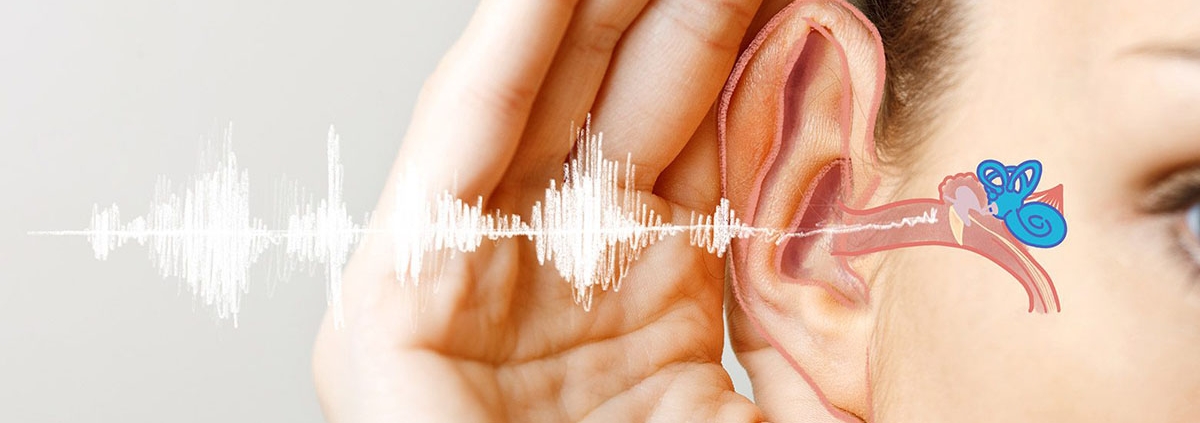
Opioid receptors in the inner ear can cause partial or full hearing loss, says Rutgers study.

Opioid use, particularly in high doses, can cause deafness, according to Rutgers researchers.

The study, published in The Journal of Medical Toxicology, reviewed records from the New Jersey Poison Control Center, based at Rutgers New Jersey Medical School, from 1999 to 2018 to determine the association between opioid use and degrees of hearing loss.

Release date: 17 August 2020

Source: Rutgers University

Coronavirus SARS-CoV-2 spreads more indoors at low humidity - رطوبت کم هوا در محیط های سرپوشیده باعث افزایش انتشار ویروس کرونا می شود

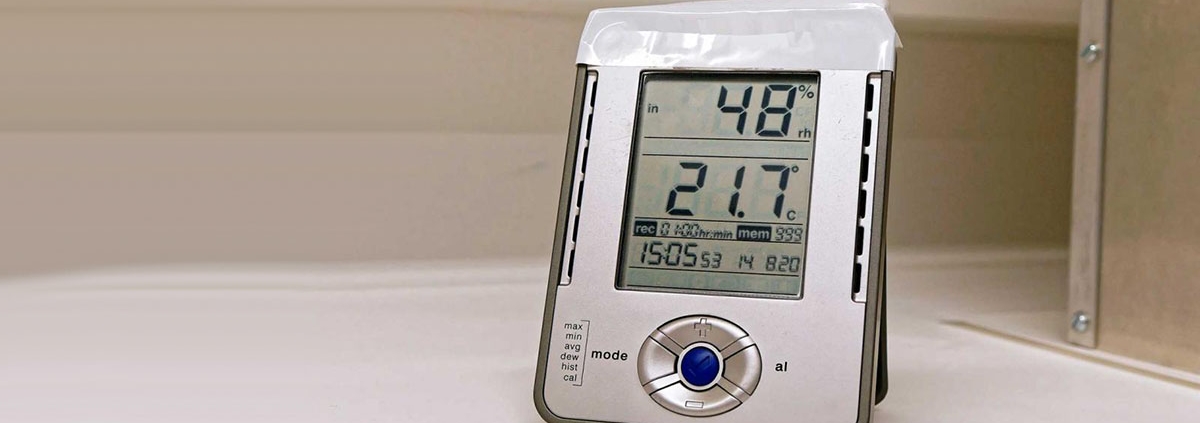
Leipzig/New Delhi. The airborne transmission of the coronavirus SARS-CoV-2 via aerosol particles in indoor environment seems to be strongly influenced by relative humidity. This is the conclusion drawn by researchers from the Leibniz Institute for Tropospheric Research (TROPOS) in Leipzig and the CSIR National Physical Laboratory in New Delhi from the analysis of 10 most relevant international studies on the subject. Therefore, they recommend controlling the indoor air in addition to the usual measures such as social distancing and masks. A relative humidity of 40 to 60 percent could reduce the spread of the viruses and their absorption through the nasal mucous membrane. To contain the COVID-19 pandemic, it is therefore extremely important to implement standards for indoor air humidity in rooms with many people, such as hospitals, open-plan offices or public transport, writes the research team in the scientific journal Aerosol and Air Quality Research.

Release date: 20 August 2020

Source: Leibniz Institute for Tropospheric Research (TROPOS)

saliva and deep nasal swabs diagnosing COVID-19 - تشخیص کووید 19 تست حلقی تست بزاقی

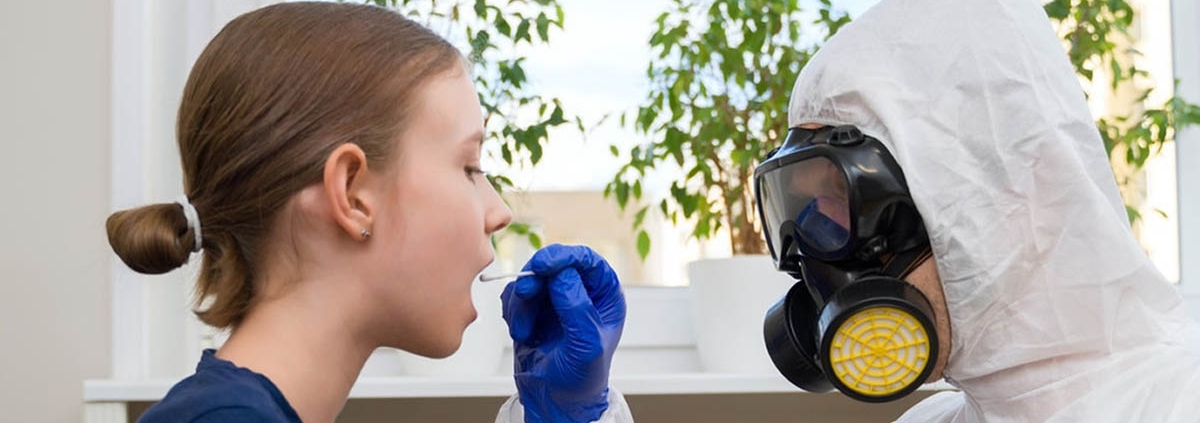
Self-collected saliva and deep nasal swabs collected by healthcare providers are equally effective for detecting SARS-CoV-2, the virus that causes COVID-19, according to a new study conducted by ARUP Laboratories and University of Utah (U of U) Health.

The study, published in the Journal of Clinical Microbiology, represents one of the largest prospective specimen type comparisons to date, said Julio Delgado, MD, MS, ARUP chief medical officer. Other studies, including one from the Yale School of Public Health, have reached similar conclusions but with markedly fewer patients and specimens.

Researchers also found that specimens self-collected from the front of the nose are less effective than deep nasal swabs for virus detection. This finding prompted a subsequent study that has not yet been published in which researchers learned they could improve the sensitivity of anterior nasal swab testing to 98% by combining an anterior nasal swab with a swab collected from the back of the throat.

Release date: 20 August 2020

Source: University of Utah Health

Possible therapeutic treatment for COVID-19 - ویروس شناسان به روش بالقوه ای برای درمان بیماری کووید19 دست یافتند

Pathogenic coronaviruses are a major threat to global public health, as shown by severe acute respiratory syndrome coronavirus, or SARS-CoV; Middle East respiratory syndrome coronavirus, known as MERS-CoV; and the newly emerged SARS-CoV-2, the virus that causes COVID-19 infection.

The study, “3C-like protease inhibitors block coronavirus replication in vitro and improve survival in MERS-CoV-infected mice,” appears in the Aug. 3 issue of the prestigious medical journal Science Translational Medicine. It reveals how small molecule protease inhibitors show potency against human coronaviruses. These coronavirus 3C-like proteases, known as 3CLpro, are strong therapeutic targets because they play vital roles in coronavirus replication.

Release date: 03 August 2020

Source: Kansas State University

Blood test could diagnose baby brain damage just hours after birth - آزمایش خون جدید می تواند آسیب های مغزی نوزاد را در اولین ساعات تولد تشخیص دهد

An early blood test could detect which babies deprived of oxygen at birth are at risk of serious neurodisabilities like cerebral palsy and epilepsy.

The prototype test looks for certain genes being switched on and off that are linked to long-term neurological issues. Further investigations of these genes may provide new targets for treating the brain damage before it becomes permanent.

The team behind the test, led by Imperial College London researchers in collaboration with groups in India, Italy and the USA, have published their findings today in the journal Scientific Reports.

Release date: 04 August 2020

Source: Imperial College London

Botox Injections May Lessen Depression - بوتاکس اثرات ضدافسردگی نیز دارد

FDA database of drug side effects indicates the benefit may hold up no matter where Botox is injected.

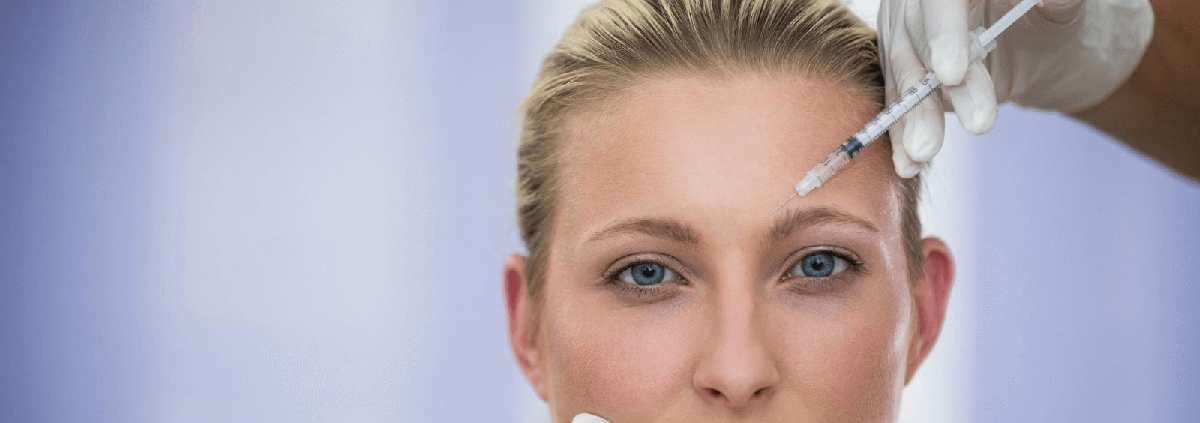
Botox, a medication derived from a bacterial toxin, is commonly injected to ease wrinkles, migraines, muscle spasms, excessive sweating and incontinence. Forehead injection of the medication is also currently being tested in clinical trials for its ability to treat depression.

Researchers at Skaggs School of Pharmacy and Pharmaceutical Sciences at University of California San Diego have mined the U.S. Food and Drug Administration (FDA)’s Adverse Effect Reporting System (FAERS) database to see what nearly 40,000 people reported happened to them after treatment with Botox for a variety of reasons.

In the study, published July 30, 2020 in Scientific Reports , the team discovered that people who received Botox injections — at six different sites, not just in the forehead — reported depression significantly less often than patients undergoing different treatments for the same conditions.

Release date: 30 July 2020
Source: University of California – San Diego

fasting diet could boost breast cancer therapy - رژیم گرفتن می تواند به درمان سرطان سینه کمک کند

A USC-led team of international scientists found that a one-two punch of a fasting diet with hormone therapy may enhance the effects of breast cancer treatment in small clinical trials and mouse studies.

A USC-led team of scientists has found that a fasting-mimicking diet combined with hormone therapy has the potential to help treat breast cancer, according to newly published animal studies and small clinical trials in humans.

In studies on mice and in two small breast cancer clinical trials, researchers at USC and the IFOM Cancer Institute in Milan — in collaboration with the University of Genova — found that the fasting-mimicking diet reduces blood insulin, insulin-like growth factor 1 (IGF1) and leptin. In mice, these effects appear to increase the power of the cancer hormone drugs tamoxifen and fulvestrant and delay any resistance to them. The results from 36 women treated with the hormone therapy and fasting-mimicking diet are promising, but researchers say it is still too early to determine whether the effects will be confirmed in large-scale clinical trials.

The research was published in the journal Nature.

Release date: 21 July 2020

Source: University of Southern California

Aerobic exercise could have the final say on fatty livers - ورزش های هوازی می توانند حرف آخر را در کبد چرب بزنند

A new Trinity study highlights that fitness may be a more important clinical endpoint for improvement in patients with fatty liver disease during exercise trials, rather than weight loss. The findings have been published in the medical journal Alimentary Pharmacology and Therapeutics.

Metabolic associated fatty liver disease (MAFLD) is a condition characterised by a build-up of fat in the liver. The liver is central to a suite of vital processes in the body including digestion, blood clotting and energy production.

If left untreated MAFLD can lead to serious complications such as liver fibrosis (scarring), cirrhosis, liver failure and liver cancer, as well as cardiovascular and metabolic issues. Risk factors for developing MAFLD include type 2 diabetes and obesity. The global estimated prevalence of MAFLD is 25%, making it the leading cause of chronic liver disease worldwide, and is quickly becoming the leading cause of cirrhosis and liver cancer in liver transplant candidates in the western world.

This new study highlights that increased fitness, the result of aerobic exercise participation, may be a more important clinical endpoint for improvement in MAFLD patients during exercise trials, rather than weight loss.

Release date: 28 July 2020

Source: Trinity College Dublin

Nature study identifies 21 existing drugs that could treat COVID-19 - در حال حاضر 21 دارو وجود دارند که می توانند به درمان کووید19 کمک کنند

Multiple drugs improve the activity of remdesivir, a current standard-of-care treatment for COVID-19.

Nature study authored by a global team of scientists and led by Sumit Chanda, Ph.D., professor at Sanford Burnham Prebys Medical Discovery Institute, has identified 21 existing drugs that stop the replication of SARS-CoV-2, the virus that causes COVID-19.

The scientists analyzed one of the world’s largest collections of known drugs for their ability to block the replication of SARS-CoV-2, and reported 100 molecules with confirmed antiviral activity in laboratory tests. Of these, 21 drugs were determined to be effective at concentrations that could be safely achieved in patients. Notably, four of these compounds were found to work synergistically with remdesivir, a current standard-of-care treatment for COVID-19.

Release date: 24 July 2020

Source: Sanford Burnham Prebys

How COVID-19 Causes Loss of Smell - علت کاهش بویایی در جریان بیماری کرونا مشخص شد؟

This article is part of Harvard Medical School’s continuing coverage of medicine, biomedical research, medical education and policy related to the SARS-CoV-2 pandemic and the disease COVID-19.

Temporary loss of smell, or anosmia, is the main neurological symptom and one of the earliest and most commonly reported indicators of COVID-19. Studies suggest it better predicts the disease than other well-known symptoms such as fever and cough, but the underlying mechanisms for loss of smell in patients with COVID-19 have been unclear.

Now, an international team of researchers led by neuroscientists at Harvard Medical School has identified the olfactory cell types in the upper nasal cavity most vulnerable to infection by SARS-CoV-2, the virus that causes COVID-19.

Surprisingly, sensory neurons that detect and transmit the sense of smell to the brain are not among the vulnerable cell types.

Release date: 24 July 2020

Source: Harvard Medical School