Public Health

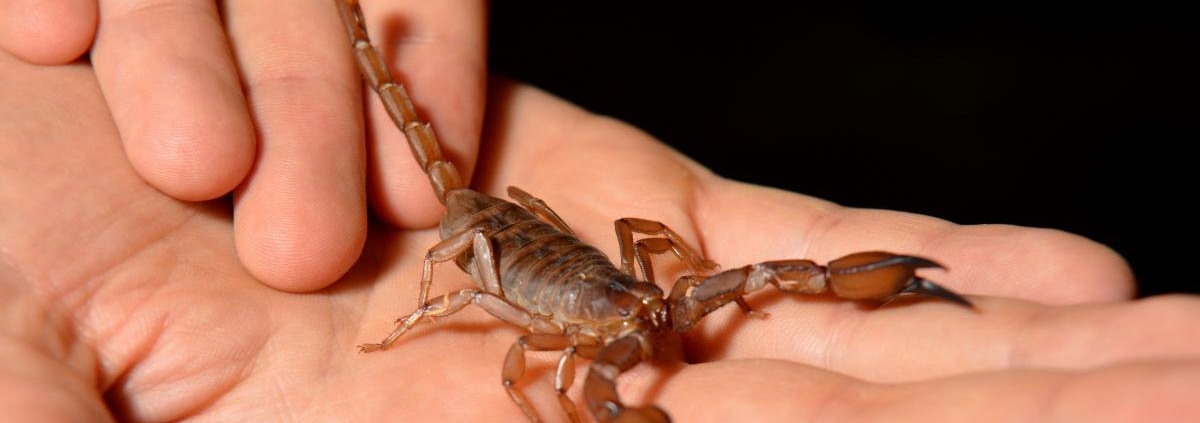
Exploring how a scorpion toxin might help treat heart attacks - سم عقرب ممکن است در پیشگیری از سکته های قلبی موثر باشد

“Moving Pieces in a Cellular Puzzle: A Cryptic Peptide from the Scorpion Toxin Ts14 Activates AKT and ERK Signaling and Decreases Cardiac Myocyte Contractility via Dephosphorylation of Phospholamban”
Journal of Proteome Research

Scientists are discovering potential life-saving medicines from an unlikely source: the venom of creatures like snakes, spiders and scorpions. Scorpion venom, in particular, contains a peptide that has beneficial effects on the cardiovascular system of rats with high blood pressure. Now, researchers reporting in ACS’ Journal of Proteome Research say they know a little more about how that happens.

Release date: 15 July 2020

Source: American Chemical Society

Does eating fish protect our brains from air pollution - خوردن ماهی می تواند از مغز ما در مقابل مضرات آلودگی هوا محافظت کند

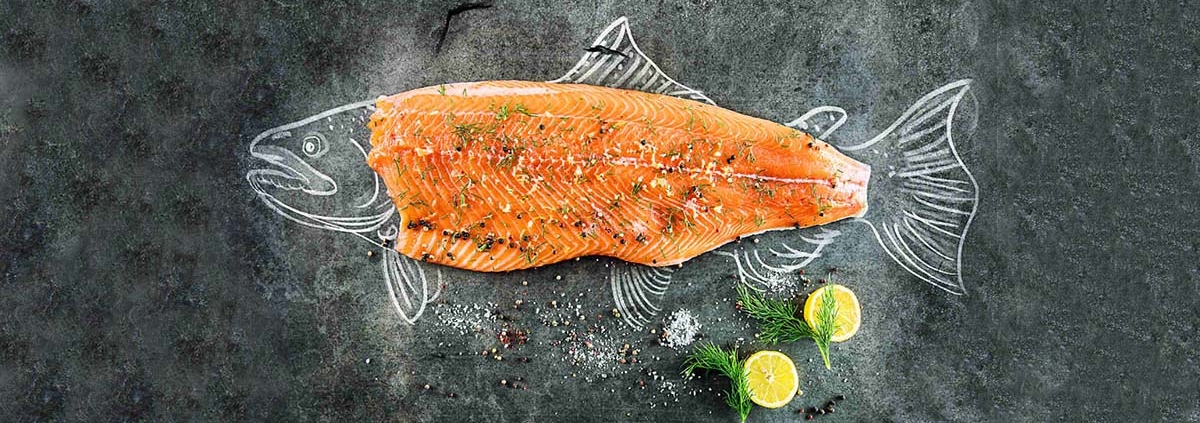
Older women who eat more than one to two servings a week of baked or broiled fish or shellfish may consume enough omega-3 fatty acids to counteract the effects of air pollution on the brain, according to a new study published in the July 15, 2020, online issue of Neurology®, the medical journal of the American Academy of Neurology.

Researchers found that among older women who lived in areas with high levels of air pollution, those who had the lowest levels of omega-3 fatty acids in their blood had more brain shrinkage than women who had the highest levels.

“Fish are an excellent source of omega-3 fatty acids and easy to add to the diet,” said study author Ka He, M.D., Sc.D., of Columbia University in New York. “Omega-3 fatty acids have been shown to fight inflammation and maintain brain structure in aging brains. They have also been found to reduce brain damage caused by neurotoxins like lead and mercury. So we explored if omega-3 fatty acids have a protective effect against another neurotoxin, the fine particulate matter found in air pollution.”

Release date: 15 July 2020

Source: American Academy of Neurology

Blood iron levels could be key to slowing ageing - سطح آهن خون ممکن است کلید کاهش سرعت پیری باشد

Genes that could help explain why some people age at different rates to others have been identified by scientists.

The international study using genetic data from more than a million people suggests that maintaining healthy levels of iron in the blood could be a key to ageing better and living longer.

The findings could accelerate the development of drugs to reduce age-related diseases, extend healthy years of life and increase the chances of living to old age free of disease, the researchers say.

Release date: 17 July 2020

Source: University of Edinburgh

Young Adults May Face Severe COVID-19 - جوانان هم به موارد شدید کرونا مبتلا می شوند

Smoking Habits Trump Asthma, Obesity in Risk Factors for Otherwise Healthy Population.

As the number of young adults infected with the coronavirus surges throughout the nation, a new study by researchers at UC San Francisco Benioff Children’s Hospitals indicates that youth may not shield people from serious disease.

The study looked at data drawn from a nationally representative sample of approximately 8,400 men and women ages 18 to 25 and concluded that overall “medical vulnerability” was 33 percent for males and 30 percent for females. The impact of smoking surpassed other less common risks, the UCSF researchers reported in their study, which publishes in the Journal of Adolescent Health.

Release date: 12 July 2020

Source: University of California – San Francisco 

Keeping innocent people out of jail using the science of perception -

Salk scientists devise a new lineup method to help eyewitnesses more accurately identify suspects

People wrongfully accused of a crime often wait years—if ever—to be exonerated. Many of these wrongfully accused cases stem from unreliable eyewitness testimony. Now, Salk scientists have identified a new way of presenting a lineup to an eyewitness that could improve the likelihood that the correct suspect is identified and reduce the number of innocent people sentenced to jail. Their report is published in Nature Communications

Release date: 14 July 2020

Source: Salk Institute 

Broken Heart Syndrome During COVID-19 Pandemic - موارد سندرم قلب شکسته در جریان همه گیری کرونا افزایش یافته است

Broken heart syndrome, or stress cardiomyopathy, occurs in response to stressful events.

Cleveland Clinic researchers have found a significant increase in patients experiencing stress cardiomyopathy, also known as broken heart syndrome, during the COVID-19 pandemic.

Stress cardiomyopathy occurs in response to physical or emotional distress and causes dysfunction or failure in the heart muscle. Patients typically experience symptoms similar to a heart attack, such as chest pain and shortness of breath, but usually do not have acutely blocked coronary arteries. The left ventricle of the heart, however, may show enlargement. Other symptoms include irregular heartbeat, fainting, low blood pressure and cardiogenic shock (an inability of the heart to pump enough blood to meet the body’s demands due to the impact of stress hormones on the cells of the heart).

The study was published today in JAMA Network Open.

Release date: 9 July 2020

Source: Cleveland Clinic

Artificial Energy Source for Muscle - سوختی جدید برای عضلات پیدا شد

A chemist and kinesiologist got on a bus, but this isn’t the set-up to a joke. Instead, kinesiologist and lead author Ned Debold and chemist Dhandapani Venkataraman, “DV,” began talking on their bus commute to the University of Massachusetts Amherst and discovered their mutual interest in how energy is converted from one form to another – for Debold, in muscle tissue and for DV, in solar cells.

This month, the researchers report in the Biophysical Journal that they have made a series of synthetic compounds to serve as alternative energy sources for the muscle protein myosin, and that myosin can use this new energy source to generate force and velocity. Mike Woodward from the Debold lab is the first author of their paper and Xiaorong Liu from the Chen lab performed the computer simulation.

Release date: 13 July 2020

Source: University of Massachusetts Amherst

Kids Rarely Transmit Covid-19 - کودکان به ندرت کرونا را به دیگران منتقل می کنند

Kids Rarely Transmit Covid-19, Say UVM Docs in Top Journal
Schools Can Reopen in Fall, They Say, If Safety Guidelines Are Observed and Community Transmission Is Low.

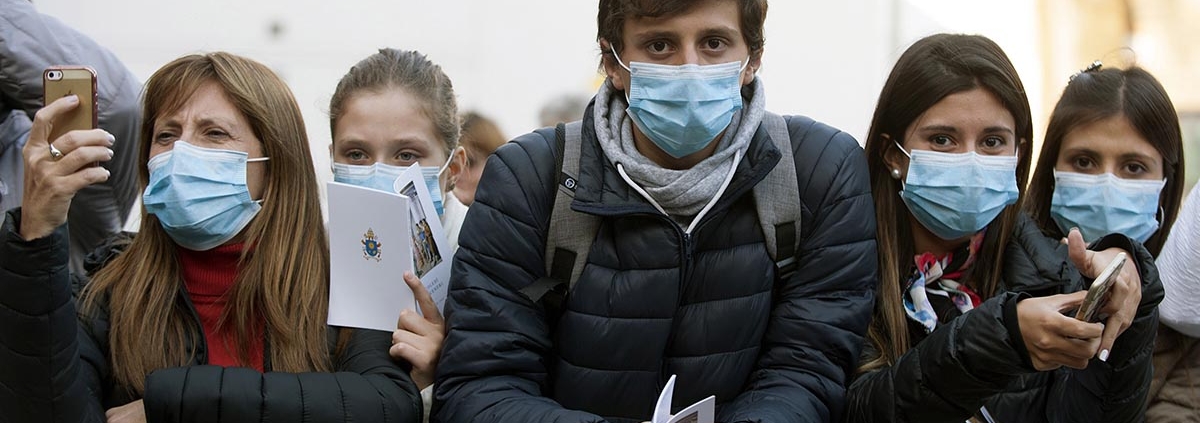
A commentary published in the journal Pediatrics, the official peer-reviewed journal of the American Academy of Pediatrics, concludes that children infrequently transmit Covid-19 to each other or to adults and that many schools, provided they follow appropriate social distancing guidelines and take into account rates of transmission in their community, can and should reopen in the fall.

Release date: 10 July 2020

Source: University of Vermont 

Experimental COVID-19 Vaccine Safe, Generates Immune Response - به واکسن کرونا نزدیک شدیم

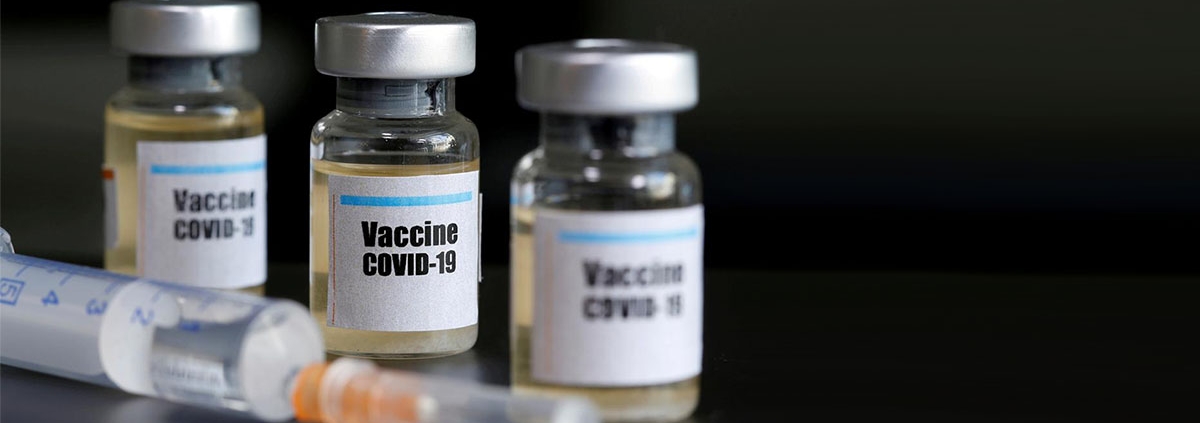
An investigational vaccine, mRNA-1273, designed to protect against SARS-CoV-2, the virus that causes coronavirus disease 2019 (COVID-19), was generally well tolerated and prompted neutralizing antibody activity in healthy adults, according to interim results published online today in the New England Journal of Medicine. The ongoing Phase 1 trial is supported by the National Institute of Allergy and Infectious Diseases (NIAID), part of the National Institutes of Health. The experimental vaccine is being co-developed by researchers at NIAID and at Moderna, Inc. of Cambridge, Massachusetts. Manufactured by Moderna, mRNA-1273 is designed to induce neutralizing antibodies directed at a portion of the coronavirus “spike” protein, which the virus uses to bind to and enter human cells.

The trial was led by Lisa A. Jackson, M.D., MPH, of Kaiser Permanente Washington Health Research Institute in Seattle, where the first participant received the candidate vaccine on March 16. This interim report details the initial findings from the first 45 participants ages 18 to 55 years enrolled at the study sites in Seattle and at Emory University in Atlanta. Three groups of 15 participants received two intramuscular injections, 28 days apart, of either 25, 100 or 250 micrograms (mcg) of the investigational vaccine. All the participants received one injection; 42 received both scheduled injections.

In April, the trial was expanded to enroll adults older than age 55 years; it now has 120 participants. However, the newly published results cover the 18 to 55-year age group only. Plans are underway to launch a Phase 3 efficacy trial in July 2020.
Release date: 14 July 2020

Source: NIH/National Institute of Allergy and Infectious Diseases

Stretching legs may help prevent heart diseases, stroke and diabetes - تمرینات کششی پا می تواند به پیشگیری از بیماری های قلبی، سکته مغزی و دیابت کمک کند

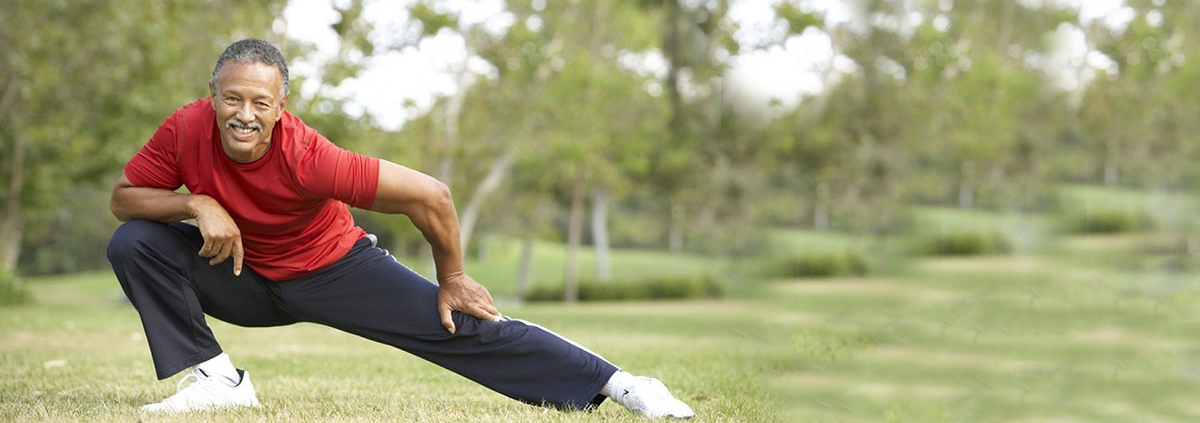
New research published today in The Journal of Physiology shows that 12 weeks of easytoadminister passive stretching helps improve blood flow by making it easier for your arteries to dilate and decreasing their stiffness. 

Passive stretching differs from active stretching in that the former involves an external force (another person or gravity) stretching you, whereas active stretching is performed on your own. The changes they observed in blood vessels could have implications for diseases, including the number one global killer, heart disease. 

Release date: 2 July 2020

Source: The Physiological Society