
Public Health

Rethinking Remdesivir oral version - به سمت رمدسیویر خوراکی

Researchers modify current drug, creating oral version that can be taken earlier in COVID-19 diagnoses; in cell and animal studies, revised drug proved effective and safe.

Remdesivir is an antiviral drug originally discovered as part of a program to develop antiviral agents with activity against novel emerging viruses. In the first months of the COVID-19 pandemic, it was tested as a potential therapeutic and found to measurably reduce recovery time for hospitalized COVID-19 patients. The Food and Drug Administration approved its use in October 2020 and it remains the only FDA-approved antiviral for treatment of SARS-CoV-2 infection.

Currently, remdesivir must be administered intravenously, a process that restricts its use to patients hospitalized with relatively severe or advanced cases of COVID-19. The FDA has approved the use of remdesivir only for adults and children age 12 and older.

In a new paper of Antimicrobial Agents and Chemotherapy, researchers at University of California San Diego School of Medicine describe cell and animal studies that demonstrate how lipid modifications of remdesivir nucleoside can improve drug delivery, effectiveness and toxicity compared to remdesivir.

Release date: 02 August 2021
Source: University of California – San Diego

No particular risk of infection of Sars Cov 2 from cash - پول نقد و کرونا

Fear of contagion is driving much more contactless payments during the pandemic. It wouldn’t be necessary.

How long do coronaviruses remain infectious on banknotes and coins? Is it possible to become infected through contact with cash? Experts at the European Central Bank, in collaboration with the Department of Medical and Molecular Virology at Ruhr-Universität Bochum, wanted to clarify this question. The researchers led by Professor Eike Steinmann and Dr. Daniel Todt developed a method specifically to test how many infectious virus particles can be transferred from cash to the skin in real-life conditions. Conclusion: under realistic conditions, the risk of contracting Sars-Cov-2 from cash is very low. The study has been published in the journal iScience.

Viruses on banknotes and coins
To find out how long Sars-Cov-2 persists on coins and banknotes, the researchers treated various euro coins and banknotes with virus solutions of different concentrations and over several days observed how long infectious virus was still detectable. A stainless-steel surface served as a control in each case. The results are reassuring: while infectious virus was still present on the stainless-steel surface after seven days, on the 10-euro banknote, it took only three days to completely disappear. For the 10-cent, 1-euro, and 5-cent coins after six days, two days and one hour, respectively, no infectious virus was detectable. “The rapid decline on the 5-cent piece is because it’s made of copper, on which viruses are known to be less stable,” explains Daniel Todt.

Release date: 29 July 2021
Source: Ruhr-University Bochum

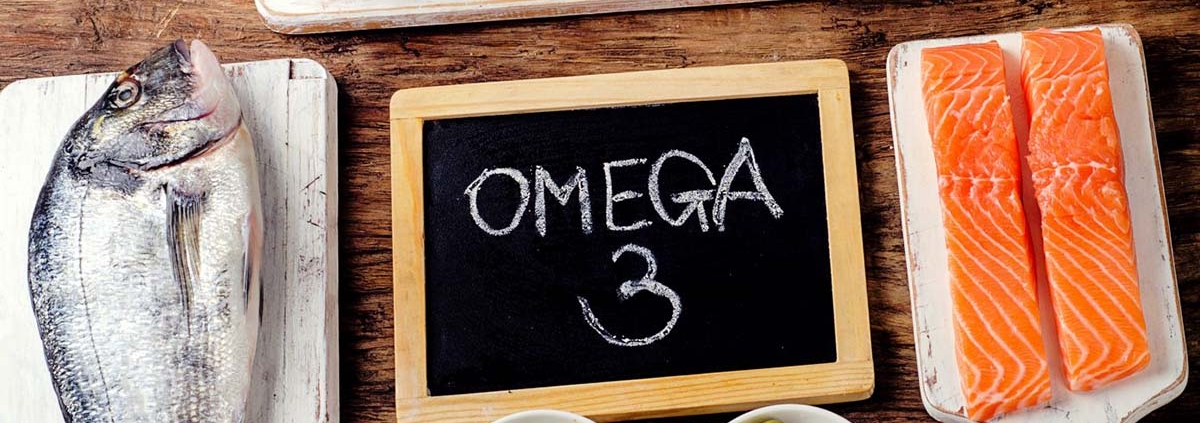
Having higher levels of omega3 acids in the blood increases life expectancy by almost five years - نقش امگا۳ در طول عمر

Levels of omega-3 fatty acids in the blood are as good a predictor of mortality from any cause as smoking, according to a study involving the Hospital del Mar Medical Research Institute (IMIM), in collaboration with The Fatty Acid Research Institute in the United States and several universities in the United States and Canada. The study, published in The American Journal of Clinical Nutrition, used data from a long-term study group, the Framingham Offspring Cohort, which has been monitoring residents of this Massachusetts town, in the United States, since 1971.

Researchers have found that omega-3 levels in blood erythrocytes (the so-called red blood cells) are very good mortality risk predictors. The study concludes that “Having higher levels of these acids in the blood, as a result of regularly including oily fish in the diet, increases life expectancy by almost five years”, as Dr. Aleix Sala-Vila, a postdoctoral researcher in the IMIM’s Cardiovascular Risk and Nutrition Research Group and author of the study, points out. In contrast, “Being a regular smoker takes 4.7 years off your life expectancy, the same as you gain if you have high levels of omega-3 acids in your blood”, he adds.

Release date: 21 July 2021
Source: IMIM (Hospital del Mar Medical Research Institute)

Reducing COVID19 isolation times - کاهش زمان قرنطینه کرونایی

The highly infectious nature of the new coronavirus (SARS-COV-2) has changed social habits throughout the world. Even with vaccinations on the rise, many countries hesitate to allow their residents to return to pre-pandemic activity. Moreover, they continue to demand that infected people isolate themselves for a minimum number of days after the onset of symptoms in a one-size-fits-all manner.

In a new study, a multi-national effort that included researchers at the Institute for Advanced Study of Biology (ASHBi), Kyoto University, Japan, uses a mathematical simulator of the SARS-COV-2 dynamics to demonstrate that the number of days can be reduced for many patients if PCR tests are used.

Patient isolation is one of the most effective if not most effective means of preventing the spread of SARS-COV-2. Beginning last year, people had to quickly adapt to weeks-long isolation after testing positive or showing symptoms, but these policies are exhausting societies. To maintain public cooperation, policymakers are seeking guidelines that shorten the isolation period while minimizing the risk of releasing infectious patients. eLife

Release date: 27 July 2021
Source: Kyoto University

New dietary treatment for epilepsy well tolerated and reduced seizures - رژیم غذایی مناسب در صرع

For the study, published inBrain Communications, clinicians evaluated the use of K.Vita®, (also known as Betashot), an oral liquid dietary supplement developed by UCL in collaboration with Royal Holloway, University of London, and Vitaflo International Ltd.

The ketogenic diet (KD) consists of high-fat, low-carbohydrate and adequate protein consumption and mimics the fasting state, altering the metabolism to use body fat as the primary fuel source. This switch from carbohydrates to fat for body fuel is known as ketosis.

It is widely used to treat drug resistant epilepsies. However, the highly restrictive diet, which can cause constipation, low blood sugar, and stomach problems, can have poor compliance and is not suitable for everyone. Some KD supplements are also known to be unappetising.

K.Vita is based on novel findings by UCL researchers*, who discovered a different underlying mechanism to explain why the KD is effective against epilepsy; in developing a new treatment, researchers also sought to reduce the adverse side effects caused by KD.

Corresponding author Professor Matthew Walker (UCL Queen Square Institute of Neurology) said: “The ketogenic diet has been used for 100 years to treat epilepsy, helping reduce seizures in both children and adults.

Release date: 23 July 2021
Source: University College London

Keeping your brain active may delay Alzheimers dementia 5 years - راه ایجاد تاخیر درآلزایمر

Keeping your brain active in old age has always been a smart idea, but a new study suggests that reading, writing letters and playing card games or puzzles in later life may delay the onset of Alzheimer’s dementia by up to five years. The research is published online issue of Neurology®, the medical journal of the American Academy of Neurology.

Release date: 14 July 2021
Source: American Academy of Neurology

Excess coffee a bitter brew for brain health - تاثیرات مضر مصرف زیاد قهوه بر سلامت مغز

It’s a favourite first-order for the day, but while a quick coffee may perk us up, new research from the University of South Australia shows that too much could be dragging us down, especially when it comes to brain health.

In the largest study of its kind, researchers have found that high coffee consumption is associated with smaller total brain volumes and an increased risk of dementia.

Conducted at UniSA’s Australian Centre for Precision Health at SAHMRI and a team of international researchers*, the study assessed the effects of coffee on the brain among 17,702 UK Biobank participants (aged 37-73), finding that those who drank more than six cups of coffee a day had a 53 per cent increased risk of dementia.

Lead researcher and UniSA PhD candidate, Kitty Pham, says the research delivers important insights for public health.

The published paper is available online: Kitty Pham, Anwar Mulugeta, Ang Zhou, John T. O’Brien, David J. Llewellyn & Elina Hyppönen (2021) High coffee consumption, brain volume and risk of dementia and stroke, Nutritional Neuroscience.

Release date: 22 July 2021
Source: University of South Australia

Emergency department visits related to opioid overdoses up significantly during COVID19 pandemic - افزایش مصرف مواد مخدر در ایام کرونا

Emergency department visit rates because of an opioid overdose increased by 28.5% across the U.S. in 2020, compared to 2018 and 2019, recent Mayo Clinic research finds. Emergency visits overall decreased by 14% last year, while visits because of an opioid overdose increased by 10.5%. The result: Opioid overdoses were responsible for 0.32 out of 100 visits, or 1 in every 313 visits, which is up from 0.25, or 1 in every 400 visits, the previous two years.

This trend is supported by preliminary data recently released by the Centers for Disease Control and Prevention (CDC), which recorded more than 93,000 opioid overdose deaths in 2020. That’s a 29.4% increase from the year prior and the most opioid overdose deaths every recorded in the U.S.

The research was published in the Annals of Emergency Medicine and was presented in June at the AcademyHealth annual research meeting. The research also was presented at the Society for Academic Emergency Medicine’s conference, where it was selected for a plenary session.

Release date: 26 July 2021
Source: Mayo Clinic

Common COVID19 Antibiotic No More Effective Than Placebo - آزیترومایسین و کرونا

A UC San Francisco study has found that the antibiotic azithromycin was no more effective than a placebo in preventing symptoms of COVID-19 among non-hospitalized patients, and may increase their chance of hospitalization, despite widespread prescription of the antibiotic for the disease.

Azithromycin, a broad-spectrum antibiotic, is widely prescribed as a treatment for COVID-19 in the United States and the rest of the world. “The hypothesis is that it has anti-inflammatory properties that may help prevent progression if treated early in the disease,” said Oldenburg. “We did not find this to be the case.”

The study included 263 participants who all tested positive for SARS-CoV-2 within seven days before entering the study. None were hospitalized at the time of enrollment. In a random selection process, 171 participants received a single, 1.2 gram oral dose of azithromycin and 92 received an identical placebo.

At day 14 of the study, 50 percent of the participants remained symptom-free in both groups. By day 21, five of the participants who received azithromycin had been hospitalized with severe symptoms of COVID-19 and none of the placebo group had been hospitalized.

The researchers concluded that treatment with a single dose of azithromycin compared to placebo did not result in greater likelihood of being symptom-free.

The study, which was conducted in collaboration with Stanford University, appears in the JAMA.

Release date: 16 July 2021
Source: University of California – San Francisco

Repairing hearts with deadly spider venom - درمان سکته قلبی با سمی کشنده!

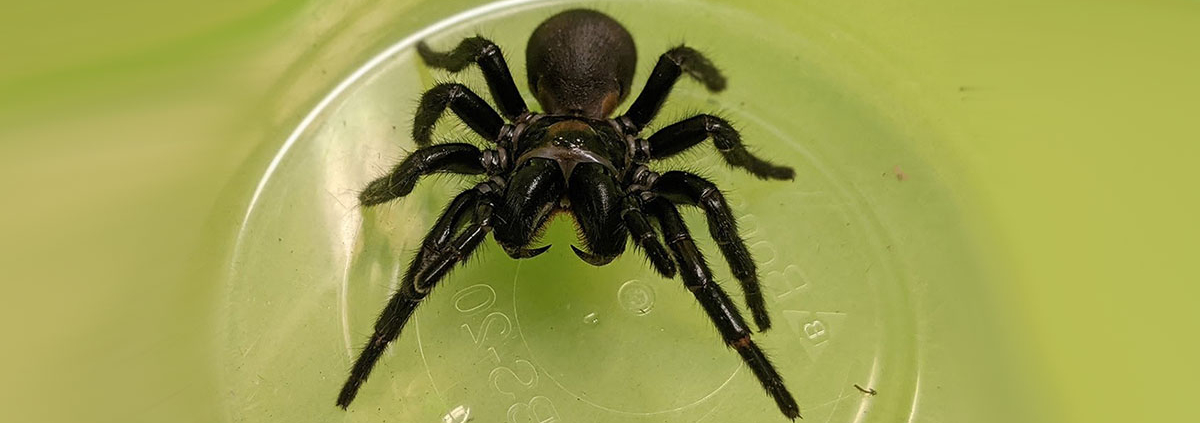
A potentially life-saving treatment for heart attack victims has been discovered from a very unlikely source – the venom of one of the world’s deadliest spiders.

A drug candidate developed from a molecule found in the venom of the Fraser Island (K’gari) funnel web spider can prevent damage caused by a heart attack and extend the life of donor hearts used for organ transplants.

The discovery was made by a team led by Dr Nathan Palpant and Professor Glenn King from The University of Queensland (UQ) and Professor Peter Macdonald from the Victor Chang Cardiac Research Institute.

Dr Palpant, from UQ’s Institute for Molecular Bioscience (IMB), said the drug candidate worked by stopping a ‘death signal’ sent from the heart in the wake of an attack.

This research was published in Circulation and funded by The University of Queensland, the Australian National Health and Medical Research Council and the National Heart Foundation of Australia. The lead authors are Dr Meredith Redd (Institute for Molecular Bioscience, UQ) and Dr Sarah Scheuer (Victor Chang Cardiac Research Institute).

Release date: 16 July 2021
Source: University of Queensland