Public Health

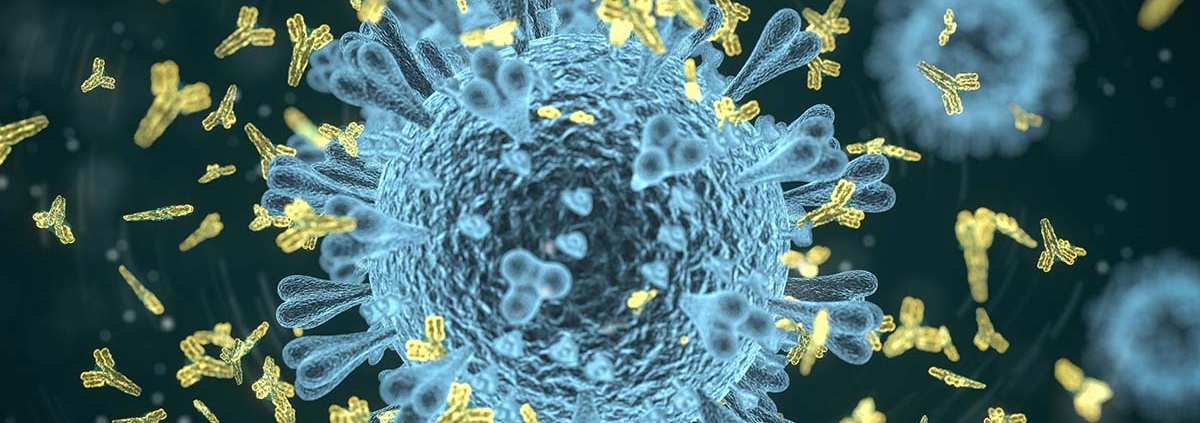
COVID19 antibodies persist at least nine months after infection - میزان ماندگاری آنتی بادی کرونایی

Testing of an entire Italian town shows antibody levels remain high nine months after SARS-CoV-2 infection, whether symptomatic or asymptomatic.

Researchers from the University of Padua and Imperial College London tested more than 85 percent of the 3,000 residents of Vo’, Italy, in February/March 2020 for infection with SARS-CoV-2, the virus that causes COVID-19, and tested them again in May and November 2020 for antibodies against the virus.

The team found that 98.8 percent of people infected in February/March showed detectable levels of antibodies in November, and there was no difference between people who had suffered symptoms of COVID-19 and those that had been symptom-free. The results are published in Nature Communications.

Release date: 19 July 2021
Source: Imperial College London

New WHO study links moderate alcohol use with higher cancer risk - مشروبات الکلی و سرطان

A new study from the World Health Organization’s (WHO) International Agency for Research on Cancer (IARC), published in the journal Lancet Oncology, has found an association between alcohol and a substantially higher risk of several forms of cancer, including breast, colon, and oral cancers. Increased risk was evident even among light to moderate drinkers (up to two drinks a day), who represented 1 in 7 of all new cancers in 2020 and more than 100,000 cases worldwide.

In Canada, alcohol use was linked to 7,000 new cases of cancer in 2020, including 24 per cent of breast cancer cases, 20 per cent of colon cancers, 15 per cent of rectal cancers, and 13 per cent of oral and liver cancers.

Release date: 13 July 2021
Source: Centre for Addiction and Mental Health

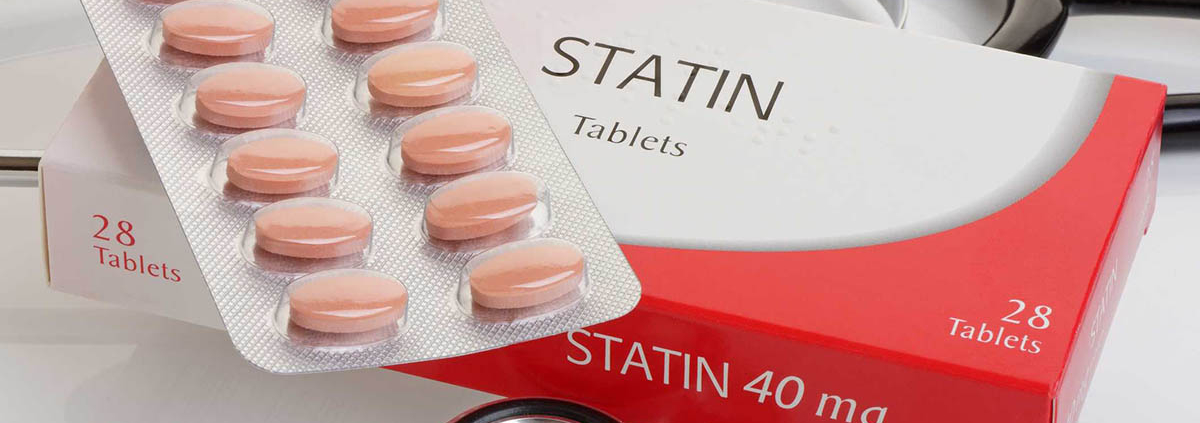
Common Medication Used to Reduce Cholesterol Levels May Reduce COVID19 Severity - تایید تاثیر داروهای استاتینی در کاهش علایم کرونا

Using anonymized medical records from a national registry, UC San Diego researchers confirm earlier findings that statins may substantially minimize adverse outcomes from SARS-CoV-2 infection.

In a new study from University of California San Diego School of Medicine, researchers have confirmed that patients taking statin medications had a 41 percent lower risk of in-hospital death from COVID-19. The findings were published in PLOS ONE and expand upon prior research conducted at UC San Diego Health in 2020.

Statins are commonly used to reduce blood cholesterol levels by blocking liver enzymes responsible for making cholesterol. They are widely prescribed: The Centers for Disease Control estimates that 93 percent of patients who use a cholesterol-lowering drug use a statin.

Release date: 25 July 2021
Source: University of California – San Diego

A plant based diet combined with a healthy microbiome may protect against multiple sclerosis - تغذیه و ام اس

The study shows that a diet rich in isoflavone, a phytoestrogen or plant-based compound that resembles estrogen, protects against multiple sclerosis-like symptoms in a mouse model of the disease. Importantly, the isoflavone diet was only protective when the mice had gut microbes capable of breaking down the isoflavones. The findings were published in Science Advances.

A new University of Iowa study suggests that metabolism of plant-based dietary substances by specific gut bacteria, which are lacking in patients with multiple sclerosis (MS), may provide protection against the disease.

Isoflavones are found in soybeans, peanuts, chickpeas and other legumes. The study also found that mice fed the isoflavone diet have a microbiome that is similar to the microbiome found in healthy people and includes the bacteria which can metabolize isoflavones. Conversely, a diet lacking isoflavones promotes a microbiome in mice which is similar to one observed in patients with MS and lacks beneficial bacteria that can metabolize isoflavone.

Release date: 12 July 2021
Source: University of Iowa Health Care

what you say in the first minute after a vaccine can be key in reducing a childs future distress - برخورد مناسب تر والدین در زمان واکسیناسیون کودک

As we look forward to a fall with hopefully one of the most important vaccination uptakes of children in a generation, a new study provides insights to help parents with reducing post-vaccination distress in younger kids. The study, published in Pain, looked at preschool children who were at least four-to-five years old and what their parents said that could help reduce distress during their vaccination. This study is part of the largest study in the world looking at caregivers and children during vaccinations from birth to the age of five — coined the OUCH Cohort. The OUCH Cohort originally followed 760 caregiver-child dyads from three pediatric clinics in the Greater Toronto Area and were observed during vaccinations during the first five years of a child’s life.

Release date: 13 July 2021
Source: York University

Childhood Lead Exposure May Adversely Affect Adult Personalities - تاثیر آلودگی هوا بر شخصیت کودکان

Lead exposure in childhood may lead to less mature and less healthy personalities in adulthood, according to a new study led by psychology researchers at The University of Texas at Austin.

The study, published in the Proceedings of the National Academy of Sciences, sampled more than 1.5 million people in 269 U.S. counties and 37 European nations. Researchers found that those who grew up in areas with higher levels of atmospheric lead had less adaptive personalities in adulthood — lower levels of conscientiousness and agreeableness and higher levels of neuroticism.

In the study, researchers linked historical atmospheric lead data from the Environmental Protection Agency to online personality questionnaire responses from people who grew up in the sampled locations. Results showed that adults who were raised in U.S. counties with higher levels of atmospheric lead were less agreeable and conscientious and, among adults in their 20s and 30s, more neurotic than those who had less lead exposure during childhood.

Release date: 12 July 2021
Source: University of Texas at Austin

Turn Off the Blue Light - نور مناسب تر در شب

Researchers from University of Tsukuba in collaboration with Yamagata University scientists find that exposure to light with less blue before sleep is better for energy metabolism

Tsukuba, Japan—Extended exposure to light during nighttime can have negative consequences for human health. But now, researchers from Japan have identified a new type of light with reduced consequences for physiological changes during sleep.

In a study published in June 2021 in Scientific Reports, researchers from University of Tsukuba compared the effects of light-emitting diodes (LEDs), which have been widely adopted for their energy-saving properties, with organic light-emitting diodes (OLEDs) on physical processes that occur during sleep.

Polychromatic white LEDs emit a large amount of blue light, which has been linked with many negative health effects, including metabolic health. In contrast, OLEDs emit polychromatic white light that contains less blue light. However, the impact of LED and OLED exposure at night has not been compared in terms of changes in energy metabolism during sleep, something the researchers at University of Tsukuba aimed to address.

Release date: 30 June 2021
Source: University of Tsukuba

Long COVID More than a quarter of COVID19 patients still symptomatic after 6 months - کووید طولانی مشکلی شایع

In a new study of adults from the general population who were infected with COVID-19 in 2020, more than a quarter report not having fully recovered after six to eight months. Those findings are described in the open-access journal PLOS ONE.

In the new study, researchers recruited 431 participants from within the contact tracing system in Zurich, Switzerland. All participants had tested positive for SARS-CoV-2 between February and August 2020, and completed an online questionnaire about their health a median of 7.2 months after their diagnosis. Symptoms had been present at diagnosis in 89% of the participants and 19% were initially hospitalized. Compared to individuals not participating in the study, participants were younger–with an average age of 47.

Overall, 26% of participants reported that they had not fully recovered at six to eight months after initial COVID-19 diagnosis. 55% reported symptoms of fatigue, 25% had some degree of shortness of breath, and 26% had symptoms of depression. A higher percentage of females and initially hospitalized patients reported not having recovered compared to males and non-hospitalized individuals. A total of 40% of participants reported at least one general practitioner visit related to COVID-19 after their acute illness. The authors say that their findings underscore the need for the timely planning of resources and patient services for post-COVID-19 care.


Release date: 13 July 2021
Source: EurekAlert

Fibromyalgia likely the result of autoimmune problems - فیبرومیالژیا یک بیماری خودایمنی

The King’s-led study, in collaboration with University of Liverpool and the Karolinska Institute, shows that many of the symptoms in fibromyalgia syndrome are caused by antibodies increasing the activity of pain-sensing nerves.

New research from the Institute of Psychiatry, Psychology & Neuroscience (IoPPN) at King’s College London, in collaboration with the University of Liverpool and the Karolinska Institute, has shown that many of the symptoms in fibromyalgia syndrome (FMS) are caused by antibodies that increase the activity of pain-sensing nerves throughout the body.

The results show that fibromyalgia is a disease of the immune system, rather than the currently held view that it originates in the brain.

The study, published today in the Journal of Clinical Investigation, demonstrates that the increased pain sensitivity, muscle weakness, reduced movement, and reduced number of small nerve-fibres in the skin that are typical of FMS, are all a consequence of patient antibodies.

Release date: 01 July 2021
Source: King’s College London

Consuming a diet with more fish fats less vegetable oils can reduce migraine headaches - رژیم غذایی و میگرن

A diet higher in fatty fish helped frequent migraine sufferers reduce their monthly number of headaches and intensity of pain compared to participants on a diet higher in vegetable-based fats and oils, according to a new study. The findings by a team of researchers from the National Institute on Aging (NIA) and the National Institute on Alcohol Abuse and Alcoholism (NIAAA), parts of the National Institutes of Health (NIH); and the University of North Carolina (UNC), Chapel Hill, were published in The BMJ.

The NIH team was led by Chris Ramsden, a clinical investigator in the NIA and NIAAA intramural research programs, and a UNC adjunct faculty member. Ramsden and his team specialize in the study of lipids — fatty acid compounds found in many natural oils — and their role in aging, especially chronic pain and neurodegenerative conditions.

Release date: 30 June 2021
Source: NIH/National Institute on Aging