
Public Health

Low-meat and meat free diets associated with lower overall cancer risk - گوشت قرمز و سرطان

Eating meat five times or less per week is associated with a lower overall cancer risk, according to a study published in the open access journal BMC Medicine.

Cody Watling and colleagues from the University of Oxford, UK investigated the relationship between diet and cancer risk by analysing data collected from 472,377 British adults who were recruited to the UK Biobank between 2006 and 2010. Participants, who were aged between 40 and 70 years, reported how frequently they ate meat and fish and the researchers calculated the incidence of new cancers that developed over an average period of 11 years using health records. They accounted for diabetes status and sociodemographic, socioeconomic and lifestyle factors in their analyses. 247,571 (52%) of participants ate meat more than five times per week, 205,382 (44%) of participants ate meat five or less times per week, 10,696 (2%) ate fish but not meat, and 8,685 (2%) were vegetarian or vegan. 54,961 participants (12%) developed cancer during the study period.

The researchers found that the overall cancer risk was 2% lower among those who ate meat five times or less per week, 10% lower among those who ate fish but not meat, and 14% lower among vegetarians and vegans, compared to those who ate meat more than five times per week. When comparing the incidence of specific cancers with participants’ diet, the authors found that those who ate meat five times or less per week had a 9% lower risk of colorectal cancer, compared to those who ate meat more than five times per week. They also found that the risk of prostate cancer was 20% lower among men who ate fish but not meat and 31% lower among men who followed a vegetarian diet, compared to those who ate meat more than five times per week. Post-menopausal women who followed a vegetarian diet had an 18% lower risk of breast cancer than those who ate meat more than five times per week. However, the findings suggest that this was due to vegetarian women tending to have a lower body mass index (BMI) than women who ate meat.

Release date: 24 February 2022
Source: BMC (BioMed Central)
A High Fiber Diet May Reduce Risk of Dementia - اثرات ضد دمانس فیبر

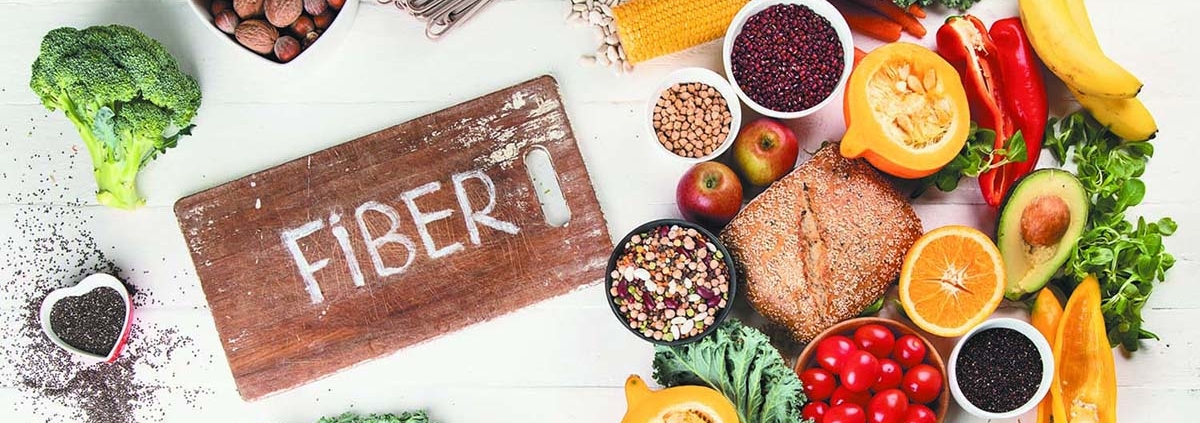
We’re always hearing that we should eat more fiber. It’s known to be vitally important for a healthy digestive system and also has cardiovascular benefits like reduced cholesterol. Now, evidence is emerging that fiber is also important for a healthy brain. In a new study published this month in the journal Nutritional Neuroscience, researchers in Japan have shown that a high-fiber diet is associated with a reduced risk of developing dementia.

“Dementia is a devastating disease that usually requires long-term care,” says lead author of the study Professor Kazumasa Yamagishi. “We were interested in some recent research which suggested that dietary fiber may play a preventative role. We investigated this using data that were collected from thousands of adults in Japan for a large study that started in the 1980s.”

Participants completed surveys that assessed their dietary intake between 1985 and 1999. They were generally healthy and aged between 40 and 64 years. They were then followed up from 1999 until 2020, and it was noted whether they developed dementia that required care.

The researchers split the data, from a total of 3739 adults, into four groups according to the amount of fiber in their diets. They found that the groups who ate higher levels of fiber had a lower risk of developing dementia.

The team also examined whether there were differences for the two main types of fiber: soluble and insoluble fibers. Soluble fibers, found in foods such as oats and legumes, are important for the beneficial bacteria that live in the gut as well as providing other health benefits. Insoluble fibers, found in whole grains, vegetables, and some other foods, are known to be important for bowel health. The researchers found that the link between fiber intake and dementia was more pronounced for soluble fibers.

The team has some ideas as to what might underlie the link between dietary fiber and the risk of dementia.

Release date: 10 February 2022
Source: University of Tsukuba

Analysis offers new insights on the placebo effect and how to harness its therapeutic potential - دارونما یا شبه درمان (پلاسبو)
  • Despite years of study, the placebo effect remains a source of mystery.
  • Researchers developed a “map” of brain regions activated by the placebo effect; several regions overlap with areas targeted by brain-stimulation therapy for depression.
  • These findings have important implications for interpreting placebo-controlled clinical trial results and suggest that the placebo effect could potentially be leveraged as a therapeutic tool.

A network of brain regions activated by the placebo effect overlaps with several regions targeted by brain-stimulation therapy for depression, according to a new analysis by a team that included several researchers from Massachusetts General Hospital (MGH), who collaborated with colleagues at Sunnybrook Health Sciences Centre at the University of Toronto. The findings of this study, published in Molecular Psychiatry, will aid in understanding the neurobiology of placebo effects and could influence how the results of clinical trials of brain stimulation are interpreted. This work may also offer insights on how to harness placebo effects for the treatment of a variety of conditions.

The placebo effect occurs when a patient’s symptoms improve because he or she expects a therapy to help (due to a variety of factors), but not from the specific effects of the treatment itself. Recent research indicates that there is a neurological basis for the placebo effect, with imaging studies identifying a pattern of changes that happen in certain brain regions when a person experiences this phenomenon.

The use of brain-stimulation techniques for patients with depression that doesn’t respond adequately to medication or psychotherapy has gained wider use in recent years. Transcranial magnetic stimulation (TMS) is a non-invasive treatment in which a clinician applies a coil to the patient’s head and delivers electromagnetic pulses to the brain. The effect of TMS on brain activity has been established over the last three decades in animal and human research studies, with several TMS devices approved by the Food and Drug Administration for treating depression. What’s more, there’s growing research on the use of deep brain stimulation (DBS, which requires an implanted device) for hard-to-treat depression, too.

The senior author of the Molecular Psychiatry paper, Emiliano Santarnecchi, PhD, director of the Precision Neuroscience & Neuromodulation Program at the Gordon Center for Medical Imaging at MGH, saw studies of brain stimulation as a unique opportunity to learn more about the neurobiology of the placebo effect. Santarnecchi and his co-investigators conducted a meta-analysis and review of neuroimaging studies involving healthy subjects and patients to create a “map” of brain regions activated by the placebo effect. They also analyzed studies of people treated with TMS and DBS for depression to identify brain regions targeted by the therapies. The team found that several sites in the brain that are activated by the placebo effect overlap with brain regions targeted by TMS and DBS.

Release date: 22 February 2022
Source: Massachusetts General Hospital

One in three young people say they felt happier during lockdown - شادی کرونایی

One in three young people say their mental health and wellbeing improved during COVID-19 lockdown measures, with potential contributing factors including feeling less lonely, avoiding bullying and getting more sleep and exercise, according to researchers at the universities of Cambridge and Oxford.

As the COVID-19 pandemic swept the world, many countries imposed strict lockdown measures, with workplaces and businesses closing and people forced to remain at home. Measures also included school closures, with exceptions for young people whose parents were classified as essential workers and those considered ‘vulnerable’, for example children under the care of social services and those in families or social situations deemed by schools to be of concern.

Several studies have reported that the lockdown had a negative impact on the mental health and wellbeing of young people, but this effect has not been uniformly reported, with a number of studies suggesting that some young people may have benefited from lockdown.

Reseachers explored this issue using the OxWell Student Survey, a large, school-based survey of students aged eight to 18 years living in England. More than 17,000 students took part in the June/July 2020 survey, during the tail end of the first national lockdown, answering questions about their experiences of the pandemic, school, home life, and relationships, among others. The results of their research have been published in European Child and Adolescent Psychiatry.


Release date: 22 February 2022
Source: University of Cambridge

Are pandemic related stressors impacting uninfected peoples brain health - کرونا و سلامت مغزی جامعه

Key Takeaways:

  • In a study of healthy adults without COVID-19, higher brain and blood levels of various markers of inflammation were detected in participants tested after lockdowns compared with before lockdowns.
  • Participants who reported greater symptoms related to mood and mental and physical fatigue had higher brain levels of one of these inflammatory markers.

New research indicates that for some individuals—even those who have steered clear of becoming infected with SARS-CoV-2—societal and lifestyle disruptions during the COVID-19 pandemic may have triggered inflammation in the brain that can affect mental health. The study, which was conducted by a team led by investigators at Massachusetts General Hospital (MGH), is published in Brain, Behavior, and Immunity.

Beyond causing a staggering number of infections and deaths, the COVID-19 pandemic has led to significant social and economic disruptions that have impacted the lives of a large swath of the world’s population in multiple ways. Also, since the start of the pandemic, the severity and prevalence of symptoms of psychological distress, fatigue, brain fog, and other conditions have increased considerably in the United States, including among people not infected with SARS-CoV-2.

To obtain a better understanding of the effects of the pandemic on brain and mental health, researchers analyzed brain imaging data, conducted behavioral tests, and collected blood samples from multiple uninfected volunteers—57 before and 15 after lockdown/stay-at-home measures were implemented to limit the pandemic’s spread.

Release date: 22 February 2022
Source: Massachusetts General Hospital

Positive parenting can reduce the risk that children develop obesity - محیط خانواده و چاقی فرزندان

New research from Penn State found that children with positive, early interactions with their care givers — characterized by warmth, responsiveness, and a stimulating home environment — were at reduced risk of childhood obesity.

“A lot of the discussion around childhood obesity and other health risks focuses on identifying and studying the exposure to risk,” said Brandi Rollins, assistant research professor of biobehavioral health. “We took a strength-based approach in our analysis. We found that a supportive family and environment early in a child’s life may outweigh some of the cumulative risk factors that children can face.”

The study, “Family Psychosocial Assets, Child Behavioral Regulation, and Obesity,” recently appeared in the journal Pediatrics. In the article, Rollins and Lori Francis, associate professor of biobehavioral health, analyzed data from over 1,000 mother-child pairs and found that children’s early exposures to family psychosocial assets — including a quality home environment, emotional warmth from the mother, and a child’s ability to self-regulate — reduced the risk of developing childhood obesity.

Encouragingly, these factors were protective even when children faced familial risks for obesity, including poverty, maternal depression, or residence in a single-parent home.

Release date: 21 February 2022
Source: Penn State

Strengthens Case That Vitamins Cannot Treat COVID 19 - ویتامین درمانی در کرونا

A new review of COVID-19 hospitalization data by researchers at The University of Toledo has found that taking immune-boosting supplements such as vitamin C , vitamin D and zinc do not lessen your chance of dying from COVID-19.

Early in the pandemic, healthcare providers tried a variety of micronutrients as potential therapies for the new illness. More recently, supplements have been promoted by some as an alternative to the safe and proven vaccines.

Researchers reviewed 26 peer-reviewed studies from around the globe that included more than 5,600 hospitalized COVID-19 patients. Their analysis found no reduction in mortality for those being treated with vitamin D, vitamin C or zinc compared to patients who did not receive one of those three supplements.

Their analysis did find that treatment with vitamin D may be associated with lower rates of intubation and shorter hospital stays, but the researchers say more rigorous study is needed to validate that finding.

Vitamin C and zinc were not associated with shorter hospital stays or lowering the chance a patient would be put on a ventilator.

While the study predominately looked at patients who were already sick and hospitalized with COVID-19 when given the supplements, researchers did analyze a smaller subset of individuals who had been taking vitamin D prior to contracting the virus. They found no significant difference in the mortality rate of that population either.

The paper is published in the journal Clinical Nutrition ESPEN.

Release date: 15 February 2022
Source: University of Toledo

Increased infectivity antibody escape drive SARS-CoV-2 evolution - کرونا و نیاز به واکسن های جدیدتر

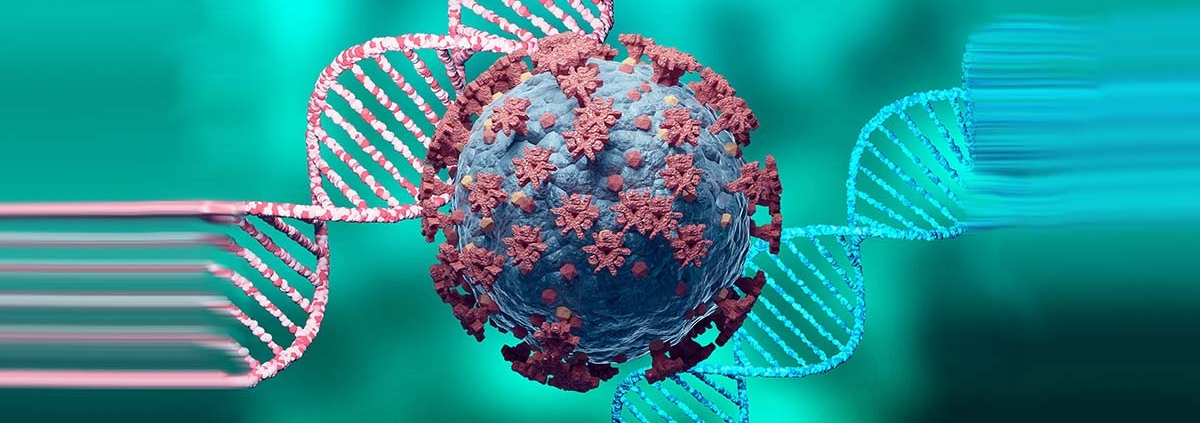
First announced by the World Health Organization on Nov. 26, 2021, the SARS-CoV-2 omicron variant spread rapidly around the world, becoming the dominant variant in the U.S. and elsewhere. Now, researchers report in ACS Infectious Diseases and the Journal of Chemical Information and Modeling that omicron and other variants are evolving increased infectivity and antibody escape, according to an artificial intelligence (AI) model. Therefore, new vaccines and antibody therapies are desperately needed, the researchers say.

Understanding how SARS-CoV-2 evolves is essential to predicting vaccine breakthrough and designing mutation-proof vaccines and monoclonal antibody treatments. In a recent study in ACS Infectious Diseases, Guo-Wei Wei and colleagues analyzed almost 1.5 million SARS-CoV-2 genome sequences taken from people with COVID-19. They identified 683 unique mutations in the receptor binding domain (RBD), the region of the SARS-CoV-2 spike protein that attaches to the human ACE2 receptor on the surface of human cells. Then, they used an AI model to predict how these mutations affect binding strength of the RBD to ACE2 and to 130 antibody structures, including several monoclonal antibodies used as therapies. The team found that mutations to strengthen infectivity are the driving force for viral evolution, whereas in highly vaccinated populations, mutations that allow the virus to escape vaccines become dominant. The researchers also predicted that certain combinations of mutations have a high likelihood of massive spread. Journal of Journal of Chemical Information and Modeling.

Release date: 16 February 2022
Source: American Chemical Society

Heart attack survivors may be less likely to develop Parkinsons disease - حمله قلبی و پارکینسون

Research Highlights:

  • People who have had a heart attack are at increased risk of stroke and vascular dementia; however, a new study found they may be less likely to develop Parkinson’s disease.
  • A large, nationwide study in Denmark found that the risk of Parkinson’s disease was moderately lower among people who have had a heart attack than among the general population.

People who have had a heart attack may be slightly less likely than people in the general population to develop Parkinson’s disease later in life, according to new research published today in the Journal of the American Heart Association, an open access, peer-reviewed Journal of the American Heart Association.

Parkinson’s disease is a brain disorder characterized by progressive loss of physical movement, including tremors, slow or slurred speech, and/or stiffness or limited range of motion for walking and other physical activities. There is no cure for Parkinson’s disease, and it is also associated with behavioral changes, depression, memory loss and fatigue. Secondary parkinsonism, which has symptoms similar to Parkinson’s disease, may be caused by stroke, psychiatric or cardiovascular medications, or other illness.

The researchers examined health registries from the Danish National Health Service. They compared the risk of Parkinson’s disease and secondary parkinsonism among about 182,000 patients who had a first-time heart attack between 1995 and 2016 (average age 71 years old; 62% male) and more than 909,000 controls matched for age, sex and year of heart attack diagnosis. The results were adjusted for a variety of factors known to influence the risk of either heart attack or Parkinson’s disease.

Release date: 16 February 2022
Source: American Heart Association

Antibodies improve in quality for months after COVID19 vaccination - بهبود تدریجی کیفیت آنتی بادی های کرونایی

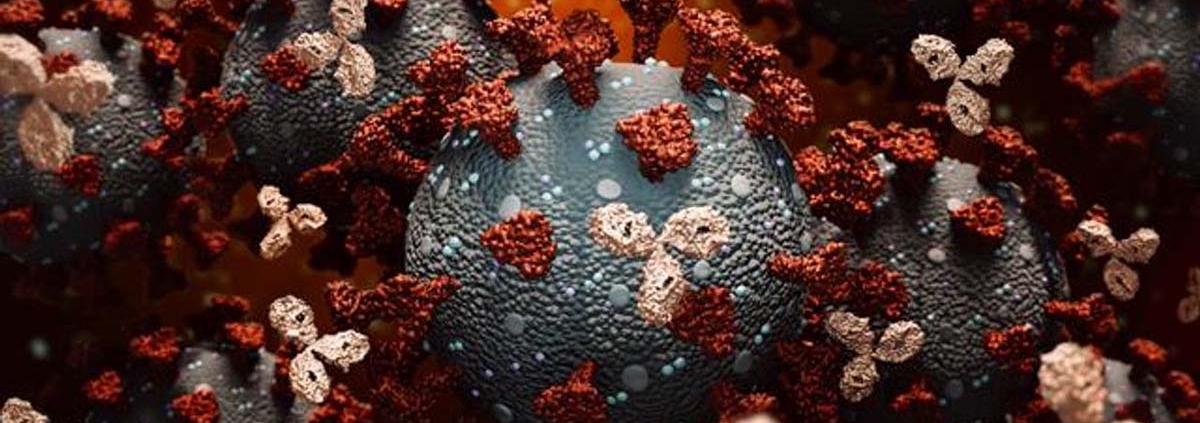
For at least six months after COVID-19 vaccination, antibodies produced by immune cells become steadily more formidable and more precisely targeted against the virus that causes COVID-19, according to a study of the antibody response to the Pfizer-BioNTech vaccine by researchers at Washington University School of Medicine in St. Louis.

The idea that antibodies increase in quality as they decrease in quantity will come as no surprise to immunologists. The process was described in animals by Washington University immunologists Herman Eisen, MD, and Gregory Siskind, MD, in 1964. But this study, published in Nature, is the first to track the maturation of the antibody response in detail in people.

The findings suggest that declining antibody levels in the months after vaccination primarily represent a shift to a sustainable immune response. Producing vast quantities of antibodies burns a lot of energy. The immune system cannot sustain such a high level of activity indefinitely, so it gradually switches to producing smaller amounts of more powerful antibodies.

Even quite low levels of antibodies would continue to provide some protection against disease, the researchers said — as long as the virus doesn’t change.

Immune cells that produce antibodies are from the B cell family. Following the B cell response through all of its stages — from initiation through peak antibody production to the emergence of memory cells that can quickly churn out new antibodies the next time the body encounters the same virus — requires repeatedly taking samples from parts of the body that can be hard to access. At different stages in the process, key members of the B cell family are located in the blood, the lymph nodes and the bone marrow. Getting B cells from the lymph nodes is technically challenging and involves using ultrasound to locate minuscule immune structures called germinal centers within the lymph nodes. Obtaining a sample of bone marrow involves inserting a needle into the pelvic bone.

Release date: 15 February 2022
Source: Washington University School of Medicine