Public Health

High levels of hazardous chemicals found in Canadian nail salons - میزان بالای مواد شیمیایی خطرناک در برخی آرایشگاه های زنانه

Researchers at the University of Toronto’s Dalla Lana School of Public Health, in collaboration with Parkdale Queen West Community Heath Centre and the Healthy Nail Salons Network, have found that nail technicians in discount salons are exposed to several chemicals widely used as plasticizers and flame retardants.

The study, published this week in the journal Environmental Science & Technology, found that exposure to some hazardous chemicals was higher among nail technicians than among electronic waste workers.

The study reported higher exposures of several phthalate plasticizers, which was expected given the use of these chemicals in personal care products. One phthalate plasticizer, DEHP, which is not allowed for use in cosmetics under the Canadian Environmental Protection Act, was found at low levels.

However, the researchers did not expect to find high levels of flame retardants that are not known to be used in personal care products.

Several of the chemicals studied have some restrictions on their use (or restrictions are proposed) under the Canadian Environmental Protection Act. Yet, most of these chemicals are not explicitly regulated in Ontario workplaces. The specific source of these chemicals in nail salons was not determined in the study.

The chemicals in question have been associated with adverse health effects, including neurological and reproductive effects, with some evidence that in utero exposure may be important.

Release date: 14 February 2022
Source: University of Toronto

COVID 19 vaccination boosts mental health along with immunity - واکسن کرونا و تقویت سلامت ذهنی

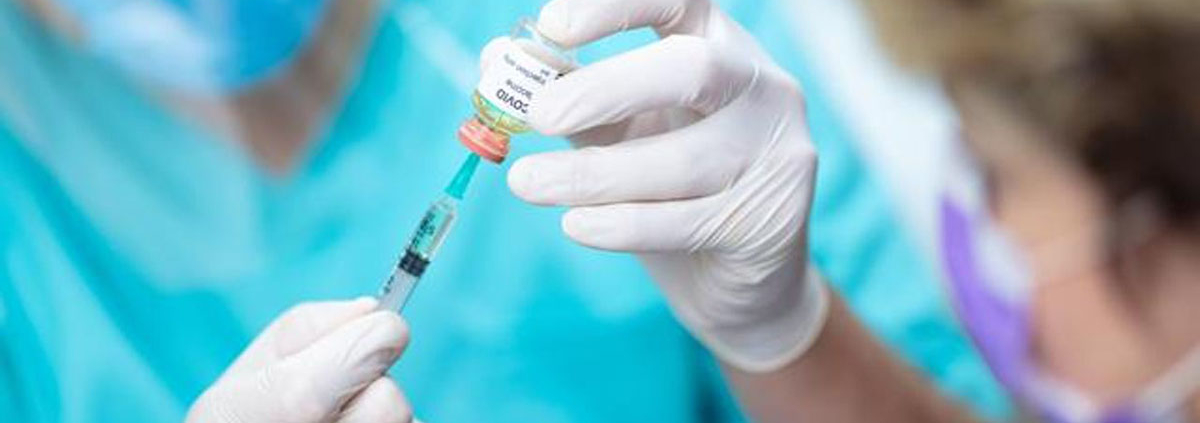
Getting vaccinated for COVID-19 measurably improved the psychological well-being of participants in the Understanding Coronavirus in America study, a large longitudinal look at the impact of the pandemic on individuals in the United States. Vaccination was associated with declines in distress and perceived risks of infection, hospitalization, and death. The study, appearing in the American Journal of Preventive Medicine, published by Elsevier, validates the intuitive but previously unanswered questions of whether becoming vaccinated reduces perceived risks associated with COVID-19, and whether the reduction of these fears leads to improvements in mental health and quality of life.

Psychologic distress and anxiety increased sharply across the population following the onset of the COVID-19 pandemic. Several factors contributed, such as widespread job and income loss, food insecurity, social isolation, caregiving burdens, substance abuse, and racialized discrimination. Depressive symptoms persisted and increased into 2021 for those experiencing an accumulation of stress exposures. Not surprisingly, many individuals are also experiencing anticipatory fears that contribute to rising mental health problems.

Data from a nationally representative study of 8,090 adults who were interviewed regularly between March 2020 and June 2021 revealed declines in COVID-related risk perceptions and psychological distress following vaccination. Specifically, adults who received at least one dose of the COVID-19 vaccine between December 2020 and June 2021 reported a 7% relative reduction in mental distress, as measured using the Patient Health Questionnaire 4 (PHQ-4) distress scores, from average levels in the survey period immediately prior to vaccination.

Reductions in distress were partially explained by declining risk perceptions following vaccination. Becoming vaccinated was associated with a 7.77 percentage point decline in perceived risk of infection, a 6.91 percentage point decline in perceived risk of hospitalization, and a 4.68 percentage point decline in perceived risk of death. Adjusting for risk perceptions decreased the vaccination−distress association by 25%.

Release date: 15 February 2022
Source: Elsevier

Exercise post vaccine bumps up antibodies - ورزش و افزایش تاثیر واکسن

Researchers at Iowa State University found 90 minutes of mild- to moderate-intensity exercise directly after a flu or COVID-19 vaccine may provide an extra immune boost.

In the newly published study, participants who cycled on a stationary bike or took a brisk walk for an hour-and-a-half after getting a jab produced more antibodies in the following four weeks compared to participants who sat or continued with their daily routine post-immunization. The researchers found similar results when they ran an experiment with mice and treadmills.

Antibodies are essentially the body’s “search and destroy” line of defense against viruses, bacteria, fungi and parasites. Vaccines help the immune system learn how to identify something foreign and respond by bolstering the body’s defenses, including an increase in antibodies.

“Our preliminary results are the first to demonstrate a specific amount of time can enhance the body’s antibody response to the Pfizer-BioNtech COVID-19 vaccine and two vaccines for influenza,” said Kinesiology Professor Marian Kohut, lead author of the paper published in the journal Brain, Behavior, and Immunity.

The researchers said the study’s findings could directly benefit people with a range of fitness levels. Nearly half of the participants in the experiment had a BMI in the overweight or obese category. During 90 minutes of exercise, they focused on maintaining a pace that kept their heart rate around 120–140 beats per minute rather than distance.

In the study, the researchers also tested whether participants could get the same bump in antibodies with just 45-minutes of exercising. They found the shorter workout did not increase the participants’ antibody levels. Kohut said the research team may test whether 60 minutes is enough to generate a response in a follow-up study.

Release date: 11 February 2022
Source: Iowa State University

Feeling dizzy when you stand up - درمان ساده هیپوتانسیون ارتوستاتیک

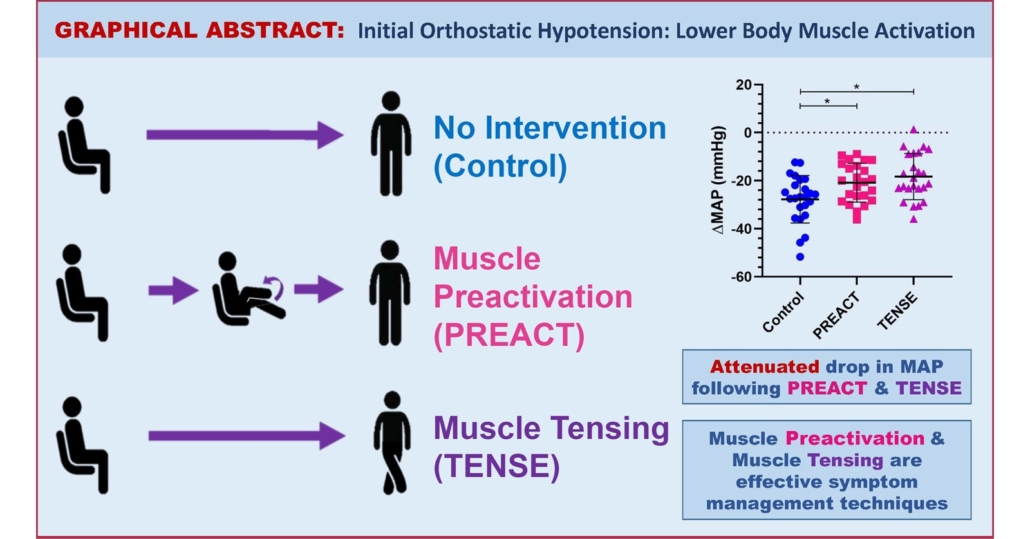
Feeling lightheaded upon standing up due to initial orthostatic hypotension (IOH), or a transient decrease in blood pressure and increase in heart rate, is a common but poorly understood condition. A new study offers two simple cost- and drug-free techniques to effectively manage symptoms of IOH and improve quality of life by activating lower body muscle before or after standing. The research appears in Heart Rhythm, the official journal of the Heart Rhythm Society, the Cardiac Electrophysiology Society, and the Pediatric & Congenital Electrophysiology Society, published by Elsevier.

Syncope, lightheadedness, dizziness, or loss of consciousness from IOH affects up to 40% of the general population (all ages), while presyncope is probably even more common. Despite this, the condition is relatively understudied and there is minimal information available about the underlying mechanisms or symptom management and treatment. Currently, there are very few options available to patients with IOH and no pharmacological treatments. The most common recommendations have been to stand up slowly or sit up first before standing.

“Almost everyone has probably experienced some lightheadedness at some time after standing up,” explained lead investigator Satish R. Raj, MD, MSCI, FHRS, Professor of Cardiac Sciences, Libin Cardiovascular Institute, Cumming School of Medicine, University of Calgary, Calgary, AB, Canada. “For some people this is a frequent occurrence and may happen several times a day, which can be very frightening and negatively impact their quality of life.

“We wanted to explore this further and provide novel and effective symptom management techniques with the goal of improving the IOH patient’s quality of life,” added Dr. Raj.

This study investigated physical maneuvers before or after standing and their efficacy in reducing the drop in blood pressure as well as the symptoms typically seen in IOH patients upon standing. Study participants included 24 young women (mean age 32 ± 8 years) with a high burden history of fainting immediately after standing and more than four episodes of presyncope or syncope per month. The study participants were required to have a significant drop in systolic blood pressure of at least 40mmHg upon standing to fulfill the diagnostic criteria of IOH on the study day. Two participants had inadequate heart rate recordings and were excluded from the analysis.

Twenty-two study participants completed three sit-to-stand maneuvers including a stand with no intervention (control), and two interventions. Researchers found that both lower body muscle preactivation (thighs) through repeated knee raises prior to standing (PREACT) and lower body muscle tensing (thighs and buttocks) through leg crossing and tensing immediately after standing (TENSE) effectively improve the blood pressure drop. This led to a reduction in symptoms upon standing. They found that the PREACT maneuver accomplished this by increasing cardiac output, while the TENSE maneuver did so by increasing stroke volume.
Release date: 09 February 2022
Source: Elsevier
Poor sleep can triple risk for heart disease - عوارض قلبی بدخوابی

Individual aspects of poor sleep can be detrimental to heart health. But if you combine them, the risk of heart disease can increase by as much as 141 percent. That’s the finding of a new study published in the journal Scientific Reports.

The University of South Florida-led study reviewed sleep data of 6,820 U.S. adults with an average age of 53 who self-reported their sleep characteristics and heart disease history. Among the participants, 633 also wore a research device (actigraphy) around their wrist that captured sleep activity.

Researchers focused on multiple aspects of sleep health, such as regularity, satisfaction, alertness during waking hours, timing of sleep, sleep efficiency and sleep duration and linked them to physician-diagnosed heart disease. They found that each additional increase in self-reported sleep health problems was associated with a 54 percent increased risk of heart disease. The estimated risk of heart disease associated with an increase in sleep health problems was much higher for those who provided sleep data by both self-report and the research device. They had a 141 percent increase – a figure that could be perceived to be more accurate.

Release date: 07 February 2022
Source: University of South Florida (USF Innovation)

COVID19 infections increase risk of heart conditions up to a year later - کرونا و قلب

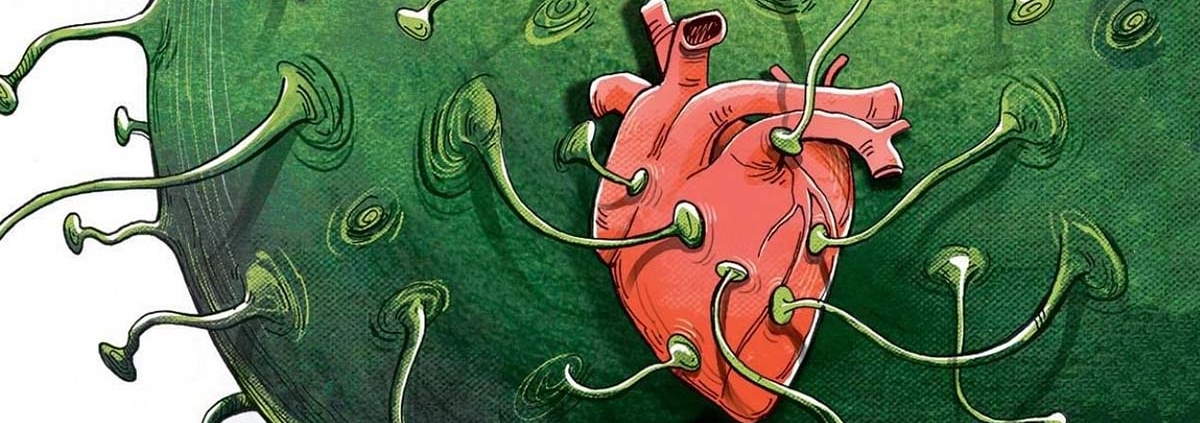
An in-depth analysis of federal health data indicates that people who have had COVID-19 are at increased risk of developing cardiovascular complications within the first month to a year after infection. Such complications include disruptive heart rhythms, inflammation of the heart, blood clots, stroke, coronary artery disease, heart attack, heart failure or even death.

Such problems occur even among previously healthy individuals and those who have had mild COVID-19 infections, according to the study, from researchers at Washington University School of Medicine in St. Louis and the Veterans Affairs St. Louis Health Care System.

The research is published Feb. 7 in Nature Medicine.

“We wanted to build upon our past research on COVID’s long-term effects by taking a closer look at what’s happening in people’s hearts,” said senior author Ziyad Al-Aly, MD, an assistant professor of medicine at Washington University. “What we’re seeing isn’t good. COVID-19 can lead to serious cardiovascular complications and death. The heart does not regenerate or easily mend after heart damage. These are diseases that will affect people for a lifetime.”

Release date: 04 February 2022
Source: Washington University in St. Louis

Alzheimers like Changes in Some COVID Patients Brains - تاثیر کرونا بر مغز

A study from researchers at Columbia University Vagelos College of Physicians and Surgeons reports that the brains of a small sample of patients who died of COVID display some of the same molecular changes found in the brains of people with Alzheimer’s disease.

The findings could help explain the memory problems reported by sufferers of “long COVID,” though the researchers caution that the study is small—with data from only 10 patients—and needs to be replicated by others.

The study was published in Alzheimer’s & Dementia: The Journal of the Alzheimer’s & Dementia.

Early reports of “brain fog” and persistent cardiac symptoms in COVID survivors prompted the Columbia researchers to investigate how certain molecules called ryanodine receptors were affected in this new disease.

Inside neurons, defective ryanodine receptors have previously been linked to an increase in phosphorylated tau, a well-known hallmark of Alzheimer’s.

In the new study, the Columbia researchers found high levels of phosphorylated tau in the brains of the COVID patients in addition to defective ryanodine receptors.

Phosphorylated tau was found in areas where tau is typically located in Alzheimer’s patients, as well as in areas where tau is not typically located in Alzheimer’s patients. That suggests that phosphorylated tau in the COVID patients could be a sign of early-stage Alzheimer’s and also contribute to other neurological symptoms observed in COVID-19 patients.

Increased levels of phosphorylated tau in the brain are believed to be linked to memory problems in Alzheimer’s and could be causing similar issues in people with long COVID, Marks says.

Release date: 03 February 2022
Source: Columbia University Irving Medical Center

Exercise can provide relief for dry itchy eyes - ورزش درمانی در چشم پزشکی

A team led by researchers from the University of Waterloo discovered that a significant increase in tear secretion and tear film stability after participating in aerobic exercise can be another remedy for relieving dry, itchy eyes.

Every time we blink, our eyes are covered in tear film—an essential protective coating necessary for maintaining healthy ocular function. Healthy tear film comprises three layers–oil, water, and mucin–that work together to hydrate the ocular surface and protect against infection-causing irritants like dust or dirt.

When any part of the tear film becomes unstable, the ocular surface can develop dry spots, causing eye symptoms like itchiness or stinging and burning sensations.

“With so much of our activity tied to screen usage, dry eye symptoms are becoming increasingly common,” said Heinz Otchere, a PhD candidate in vision science at Waterloo. “Instead of having to use eye drops or other alternative treatments, our study aimed to determine if remaining physically active can be an effective preventative measure against dryness.”

Fifty-two participants were divided into two groups—athlete and non-athlete—to participate in an exercise session. Participants in the athlete group exercised at least five times per week, while non-athlete participants exercised no more than once per week. Researchers, which included experts from the University of Cape Coast in Ghana, performed visual examinations before and five minutes after each exercise session, where tear secretion and tear break-up time were assessed.

It was published in the Experimental Eye Research journal.

Release date: 03 February 2022
Source: university of Waterloo

Mechanism Revealed Behind Loss of Smell with COVID19 - علت اختلال بویایی در جریان کرونا

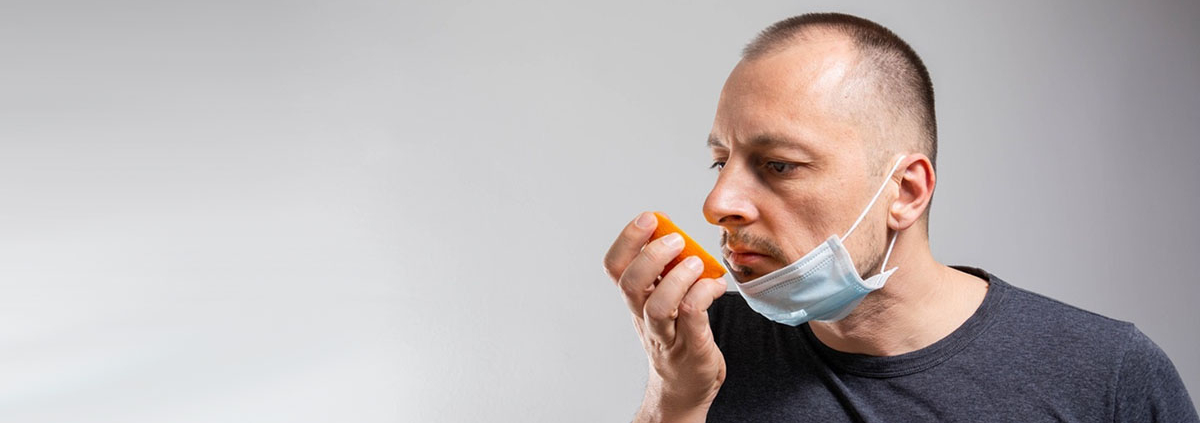
Researchers have discovered a mechanism that may explain why people with COVID-19 lose their sense of smell.

Published online February 1 in the journal Cell, the new study finds that infection with the pandemic virus, SARS-CoV-2, indirectly dials down the action of olfactory receptors, proteins on the surfaces of nerve cells in the nose that detect the molecules associated with odors.

xperiments showed that the presence of the virus near nerve cells (neurons) in olfactory tissue brought an inrushing of immune cells, microglia, and T cells that sense and counter infection. Such cells release proteins called cytokines that changed the genetic activity of olfactory nerve cells, even though the virus cannot infect them, say the study authors. Where immune cell activity would dissipate quickly in other scenarios, in the brain, according to the team’s theory, immune signaling persists in a way that reduces the activity of genes needed for the building of olfactory receptors.

One unique symptom of COVID-19 infection is loss of smell without the stuffy nose seen with other infections like the common cold, researchers say. In most cases, the smell loss lasts only a few weeks, but for more than 12 percent of people with COVID-19, olfactory dysfunction persists in the form of ongoing reduction in the ability to smell (hyposmia) or changes in how a person perceives the same smell (parosmia).

To gain insight into COVID-19–induced smell loss, the current authors explored the molecular consequences of SARS-CoV-2 infection in golden hamsters and in olfactory tissue taken from 23 human autopsies. Hamsters represent a good model, being mammals that both depend more on the sense of smell than humans, and that are more susceptible to nasal cavity infection.

Release date: 02 February 2022
Source: NYU Grossman School of Medicine

Paternal Alcohol Use Increases Frequency Of Fetal Development Issues - تاثیر منفی مصرف الکل توسط پدر بر سلامت فرزند

Prenatal visits have traditionally focused almost exclusively on the behavior of mothers, but new research from the Texas A&M University College of Veterinary Medicine & Biomedical Sciences (CVMBS) continues to suggest that science should be looking more closely at the behavior of fathers as well.

Publication in The FASEB Journal , Golding’s team showed that the epigenetic factor of prenatal exposure to alcohol in males can manifest in the placenta.

According to Kara Thomas, VTPP graduate student and the lead author on the paper, their data shows that in mice, offspring of fathers exposed to alcohol have a number of placenta-related difficulties, including increased fetal growth restriction, enlarged placentas, and decreased placental efficiency.

“The placenta supplies nutrients to the growing fetus, so fetal growth restriction can be attributed to a less efficient placenta. This is why placental efficiency is such an important metric; it tells us how many grams of fetus are produced per gram of placenta,” Thomas said. “With paternal alcohol exposure, placentas become overgrown as they try to compensate for their inefficiency in delivering nutrients to the fetus.”

Release date: 01 February 2022
Source: Texas A&M University