Public Health

Enhancing deep sleep - اختراع وسیله ای برای بهبود خواب

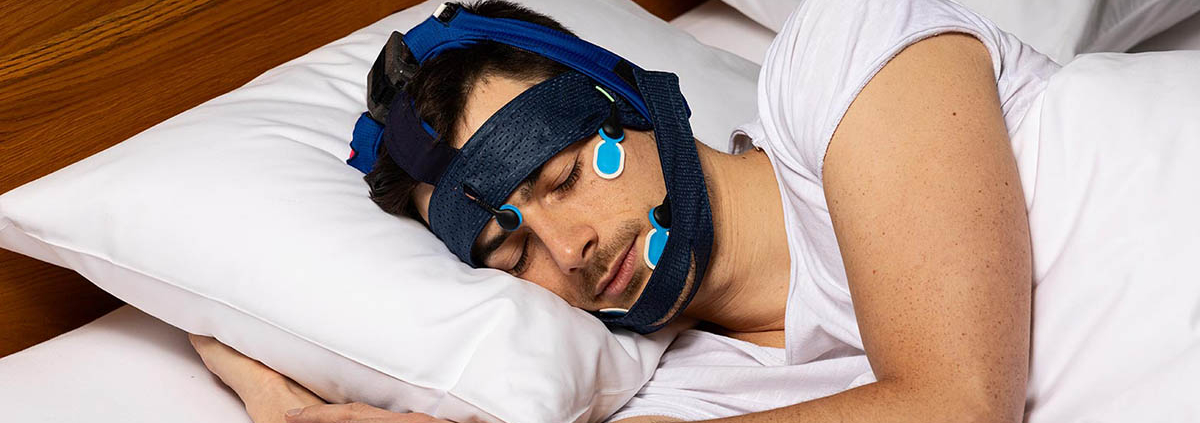
Researchers have developed a wearable device that plays specific sounds to enhance deep sleep. The first clinical study has now shown that the device is effective, but not at the same level of effectiveness for everyone.

Many people, especially the elderly, suffer from abnormal sleep. In particular, the deep sleep phases become shorter and shallower with age. Deep sleep is important for the regeneration of the brain and memory, and also has a positive influence on the cardiovascular system.

Researchers have shown that the brain waves characterizing deep sleep, so-​called slow waves, can be improved by playing precisely timed sounds through earphones while sleeping. While this works well in the sleep laboratory under controlled conditions, there has thus far been no at home solution that can be used longer than just one night.

The results have just been published in the journal Communications Medicine.

Release date: 08 April 2022
Source: ETH Zurich

Cell Treatment Slows Disease in Duchenne Muscular Dystrophy Patients - سلول درمانی تحولی شگرف در درمان دوشن

Cell Therapy Developed by Smidt Heart Institute Leader Delays Disease Progression in Patients Who Have Few Treatment Options
A cell therapy developed by the executive director of the Smidt Heart Institute stabilizes weakened muscles–including the heart muscle–in Duchenne muscular dystrophy patients, a new study published in the international peer-reviewed journal The Lancet shows.

If the HOPE-2 study’s success is duplicated in the upcoming multicenter, randomized, placebo-controlled HOPE-3 clinical trial, the intravenous cell therapy could become the first Food and Drug Administration-approved treatment for Duchenne patients with advanced disease.

“This therapy is unique in that it addresses two vital needs in patients with Duchenne: physical movement and a healthy heart,” said Eduardo Marbán, MD, PhD, executive director of the Smidt Heart Institute at Cedars-Sinai, the Mark S. Siegel Family Foundation Distinguished Professor, an author on the study and the inventor of cardiosphere-derived cells (CDCs), progenitor cells derived from human heart tissue, which have been used in multiple clinical trials.

Duchenne muscular dystrophy is a rare, inherited disorder that mostly affects males. It’s caused by mutations on a gene on the X chromosome that interferes with the production of a protein called dystrophin that muscles need to function. Children born with such mutations have muscle weakness throughout their bodies. This makes it difficult for them to do normal activities like run, jump, climb stairs, stand up after sitting and pedal a bicycle. They can also become extremely sick when muscles in their hearts and respiratory organs weaken.

The prognosis for patients with Duchenne muscular dystrophy is bleak. Most use a wheelchair by the time they are teenagers and don’t typically live into their 30s. There is no cure for the disease. Currently, the only approved medical treatments are aimed at delaying loss of the ability to walk; nothing is available for patients with more advanced disease, who now outnumber those with milder symptoms.

Release date: 10 March 2022
Source: Cedars-Sinai Medical Center

Kisspeptin A New Drug to Treat Liver Disease - کیس پپتین درمان جدید کبد چرب

Rutgers researchers discover hormone has therapeutic effects on non-alcoholic fatty liver disease in mouse study
A hormone that triggers puberty and controls fertility in humans might be developed as a treatment for non-alcoholic fatty liver disease, according to new Rutgers research.

The study, appearing in the Journal of Clinical Investigation, provides powerful evidence that a modified version of the naturally occurring hormone kisspeptin can be used to treat non-alcoholic fatty liver disease (NAFLD). Globally, NAFLD is the most common form of chronic liver disease that affects children and adults and is linked to the rise in obesity and Type 2 diabetes.

Release date: 07 April 2022
Source: Rutgers University

Sport improves concentration and quality of life - ورزش و افزایش تمرکز

Study with primary school pupils confirms positive impact of physical fitness. Physically fit primary school pupils feel better and can concentrate better. They are more likely to make it to higher-level secondary grammar schools than children with less sporting abilities. This has been confirmed for the first time in a study by the Department of Sport and Health Sciences at the Technical University of Munich (TUM).

Movement on a regular basis keeps kids healthy and fit for school. The benefits of sports have been demonstrated in numerous studies. Now a research team at the TU Munich has found proof of the correlation between physical fitness, concentration and health-related quality of life for primary school pupils.

The study involved 3285 girls and 3248 boys from Bavaria’s Berchtesgadener Land district. The key criteria were physical strength and endurance, the ability to concentrate and health-related quality of life, as determined by the scientists according to internationally standardized test procedures. Journal of Clinical Medicine

Release date: 05 April 2022
Source: Technical University of Munich (TUM)

Reproductive factors and dementia risk - اثرات ضد دمانس هورمون استروژن

Certain events related to shorter estrogen exposure may be associated with increased dementia risk.

Pregnancy, long reproductive span, and older age at menopause are associated with a lower risk of dementia in women, according to a study publishing April 5th in the open access journal PLOS Medicine. Inversely, hysterectomy, younger age of first birth, and younger or older than average age at first period were associated with greater dementia risk. The study suggests that reproductive and hormonal factors may be involved in dementia risk, but observed a similar association between the number of children and dementia risk in women and men, suggesting that the physical experience of childbearing may not account for risk variation.

Dementia rates are increasing around the world, with some studies reporting a higher incidence in women than men, yet there is a limited evidence base on reproductive factors and the risk of dementia. Jessica Gong at The George Institute for Global Health, Australia, and colleagues used data from the UK Biobank to examine the risk of all cause dementia and reproductive factors in 273,240 women as well as the number of children in those women and in 228,965 men.

After controlling for age, socioeconomic status, smoking, body mass index (BMI), and other elements, certain events related to shorter cumulative exposure to internally produced estrogen – such as older than average age at first period, younger than average age at menopause, and having a hysterectomy – were associated with higher dementia risk. Pregnancy, even aborted pregnancy, longer reproductive span, older age at menopause, and use of contraceptive pills were associated with a lower risk of all-cause dementia. For both men and women, compared with having two children, having no children or four or more were apparently associated with greater risk of dementia.

The study has limitations including the retrospective reporting on reproductive factors that can be subject to bias, and the fact that UK Biobank is a relatively healthy cohort of affluent people of white British ancestry so may not be representative of a broader population.

Release date: 05 April 2022
Source: EurekAlert

Loss of Neurons Not Lack of Sleep Makes Alzheimers Patients Drowsy - خواب آلودگی در آلزایمر

The lethargy that many Alzheimer’s patients experience is caused not by a lack of sleep, but rather by the degeneration of a type of neuron that keeps us awake, according to a study that also confirms the tau protein is behind that neurodegeneration.

The study’s findings contradict the common notion that Alzheimer’s patients sleep during the day to make up for a bad night of sleep and point toward potential therapies to help these patients feel more awake.

The data came from study participants who were patients at UC San Francisco’s Memory and Aging Center and volunteered to have their sleep monitored with electroencephalogram (EEG) and donate their brains after they died.

Being able to compare the study participants’ sleep data with microscopic views of their post-mortem brain tissue was the key to answering a question that scientists have been pondering for years.

The opposite phenomenon occurs in patients with other neurodegenerative conditions, such as progressive supranuclear palsy (PSP), who were also included in the study. Those patients have damage to the neurons that make them feel tired, so they are unable to sleep and become sleep deprived.

Release date: 04 April 2022
Source: University of California – San Francisco

Millionaires more risk tolerant and emotionally stable - برخی از ویژگی های شخصیتی ثروتمندان

According to a study by researchers from the Socio-Economic Panel (SOEP) at the German Institute for Economic Research (DIW Berlin) and the University of Münster, millionaires are more risk-tolerant, emotionally stable, open, extroverted, and conscientious than the general population. The study is published in the journal Humanities and Social Sciences Communications .

The data used for the analysis of personality traits come from the SOEP, a representative random sample of the German population. In 2019, a subsample of more than 2,000 high-wealth individuals was added to the SOEP. The SOEP now surveys more than 1,100 millionaires whose net worth averages around 4 million euros. “This means that the very wealthy are now overrepresented in the SOEP, making it possible to analyze this very small population in a meaningful way,” explains SOEP researcher Carsten Schröder, who initiated the top-wealth subsample.

The results show that the typical millionaire personality profile is especially pronounced among self-made millionaires, who see themselves as having made their money on their own rather than through inheritance. The profile is less pronounced among millionaires who attribute their wealth primarily to inheritance.

Release date: 04 April 2022
Source: University of Münster

Omicron less severe than delta for children ages 4 and younger - امیکرون در کودکان

New research from Case Western Reserve University School of Medicine suggests that the children younger than age 5 who are infected with the COVID-19 omicron variant have less risk of severe health outcomes than those infected with the delta variant.

The study, published in JAMA Pediatrics, is the first large-scale research effort to compare the health outcomes of coronavirus infection from omicron to delta in children 4 and younger—the age group not yet able to be vaccinated.

The findings show that the omicron variant is six to eight times more infectious than the delta variant. The severe clinical outcomes ranged from a 16% lower risk for emergency room visits to 85% less risk for mechanical ventilation. And about 1.8% of children infected with omicron were hospitalized, compared to 3.3% with delta.

The Case Western Reserve-led team analyzed the electronic health records of more than 651,640 children in the United States who had medical encounter with healthcare organizations between September 2021 and January 2022—including more than 22,772 children infected with omicron in late December and late January—to more than 66,000 children infected when delta was prevalent in the fall. The study also compared the records of more than 10,000 children immediately before the detection of omicron in the U.S. but when delta was still predominant.

Children younger than 5 are not yet eligible for COVID-19 vaccines and have a low rate of previous SARS-CoV-2 infections, which also limits their pre-existing immunity.

Release date: 01 April 2022
Source: Case Western Reserve University

Are COVID19 Linked Arrhythmias Caused by Viral Damage to the Hearts Pacemaker Cells - کرونا و آریتمی قلبی

SARS-CoV-2 Spike protein (green) staining in the pacemaker cells (red) of SARS-CoV-2 infected hamsters. The nuclei of the cells are stained blue. Image courtesy of Dr. Shuibing Chen.

The SARS-CoV-2 virus can infect specialized pacemaker cells that maintain the heart’s rhythmic beat, setting off a self-destruction process within the cells, according to a preclinical study co-led by researchers at Weill Cornell Medicine, NewYork-Presbyterian and NYU Grossman School of Medicine. The findings offer a possible explanation for the heart arrhythmias that are commonly observed in patients with SARS-CoV-2 infection.

In the study, reported in Circulation Research, the researchers used an animal model as well as human stem cell-derived pacemaker cells to show that SARS-CoV-2 can readily infect pacemaker cells and trigger a process called ferroptosis, in which the cells self-destruct but also produce reactive oxygen molecules that can impact nearby cells.

Arrhythmias including too-quick (tachycardia) and too-slow (bradycardia) heart rhythms have been noted among many COVID-19 patients, and multiple studies have linked these abnormal rhythms to worse COVID-19 outcomes. How SARS-CoV-2 infection could cause such arrhythmias has been unclear, though.

In the new study, the researchers, including co-senior author Dr. Benjamin tenOever of NYU Grossman School of Medicine, examined golden hamsters—one of the only lab animals that reliably develops COVID-19-like signs from SARS-CoV-2 infection—and found evidence that following nasal exposure the virus can infect the cells of the natural cardiac pacemaker unit, known as the sinoatrial node.

Release date: 01 April 2022

Source: Weill Cornell Medicine

Exercise may reduce depression symptoms boost effects of therapy - تاکید بر اثرات ضدافسردگی ورزش

Exercising for half an hour may reduce symptoms of depression for at least 75 minutes post-workout and amplify the benefits of therapy, according to two new studies led by researchers at Iowa State University.

For the first study, the researchers recruited 30 adults who were experiencing major depressive episodes. The participants filled out electronic surveys immediately before, half-way-through and after a 30-minute session of either moderate-intensity cycling or sitting, and then 25-, 50- and 75-minutes post-workout. Those who cycled during the first lab visit came back a week later to run through the experiment again with 30-minutes of sitting, and vice versa.

Each survey included standard questions and scales used to measure symptoms of depression and several cognitive tasks, including the Stroop test; participants responded to the color of a particular font rather than the word itself (e.g., indicating red when they saw the word ‘blue’ in red ink).

During the cycling experiment, participants’ depressed mood state improved over the 30 minutes of exercise and consistently up to 75 minutes afterward. The improvement to anhedonia started to drop off at 75 minutes post-exercise, but still was better than the participants’ levels of anhedonia in the group that did not exercise.

As for cognitive function, participants who cycled were faster on the Stroop test mid-exercise but relatively slower 25- and 50-minutes post-exercise compared to participants in the resting group. Meyer said more research is needed to understand the variation.

Half of the ten participants exercised on their own (e.g., cycled, jogged, walked) for 30 minutes at a pace they considered moderate intensity, which the researchers also verified with Fitbit data, before signing into an hour of virtual, cognitive behavior therapy each week. The other participants simply continued in their day-to-day activities prior to their therapy sessions.

At the end of the eight-week intervention program, participants in both groups showed improvements, but those who exercised before talking with a therapist had more pronounced reductions in symptoms of depression.

The researchers said the results indicate exercise could help amplify the benefits of therapy for adults with depression. Psychology of Sport and Exercise

Release date: 30 March 2022

Source: Iowa State University