
Neurologic disorders

Moms with MS at no more risk of pregnancy complications than moms without MS - ام اس و بارداری

Women with multiple sclerosis (MS) may not be at a higher risk of pregnancy complications like gestational diabetes, emergency cesarean section or stillbirth than women who do not have the disease, according to a study in the February 3, 2021, online issue issue of Neurology® Clinical Practice, an official journal of the American Academy of Neurology. However, the study did find that babies born to mothers with MS had a higher chance of being delivered by elective cesarean section (c-section) or induced delivery, and being small for their age compared to babies of women who did not have the disease.

Researchers found no difference in risk of several pregnancy complications between women with MS and women without it. No differences were found in risk of preeclampsia, gestational diabetes, placenta complications, emergency c-section, instrumental delivery, stillbirth, preterm birth, congenital malformations or low Apgar score. Apgar score is a test of a newborn’s health, including measures like heart rate, reflexes and muscle tone immediately after birth.

Release date: 03 February 2021
Source: American Academy of Neurology

Air pollution poses risk to thinking skills - تاثیرات مخرب آلودگی هوا بر قوای ذهنی

Exposure to air pollution in childhood is linked to a decline in thinking skills in later life, a study suggests.

A greater exposure to air pollution at the very start of life was associated with a detrimental effect on people’s cognitive skills up to 60 years later, the research found.

Researchers at the University of Edinburgh tested the general intelligence of more than 500 people aged approximately 70 years using a test they had all completed at the age of 11 years.

The participants then repeated the same test at the ages of 76 and 79 years.

A record of where each person had lived throughout their life was used to estimate the level of air pollution they had experienced in their early years.

The team used statistical models to analyse the relationship between a person’s exposure to air pollution and their thinking skills in later life.

The study is published in the Journal of Alzheimer’s Disease .

Release date: 02 February 2021
Source: University of Edinburgh

MIND and Mediterranean diets associated with later onset of Parkinson’s disease - رژیم غذایی مدیترانه ای می تواند شروع بیماری پارکینسون

A new study from UBC researchers suggests a strong correlation between following the MIND and Mediterranean diets and later onset of Parkinson’s disease (PD). While researchers have long known of neuroprotective effects of the MIND diet for diseases like Alzheimer’s and dementia, this study is the first to suggest a link between this diet and brain health for Parkinson’s disease (PD). The MIND diet combines aspects of two very popular diets, the Mediterranean diet and the Dietary Approaches to Stop Hypertension (DASH) diet.

“The study shows individuals with Parkinson’s disease have a significantly later age of onset if their eating pattern closely aligns with the Mediterranean-type diet. The difference shown in the study was up to 17 years later in women and eight years later in men,” says Dr. Silke Appel-Cresswell of the Pacific Parkinson’s Research Centre, the Djavad Mowafaghian Centre for Brain Health and the Division of Neurology in the UBC Faculty of Medicine. “There is a lack of medications to prevent or delay Parkinson’s disease yet we are optimistic that this new evidence suggests nutrition could potentially delay onset of the disease.”

In a study of 176 participants, researchers looked at adherence to these types of diets, characterized by reduced meat intake and a focus on vegetables, fruits, whole grains and healthy fats, and the age of PD onset. They found that close adherence to these diets coincided with later onset of PD in women of up to 17.4 years, and 8.4 years in men. The MIND diet showed a more significant impact on women’s health, whereas the Mediterranean diet did for the men. The differences in these two diets are subtle, but could serve as clues to the impacts specific foods and micronutrients may have on brain health.

The different effects of diet adherence between sexes are noteworthy as approximately 60 per cent of those diagnosed with Parkinson’s disease are men.

Movement Disorders

Release date: 13 January 2021
Source: University of British Columbia

Diabetes increases neuritic damage around amyloid plaques in Alzheimer disease - دیابت می تواند فرایند آسیب زایی در جریان آلزایمر را تشدید کند.

New research from the University of Eastern Finland explores the role of diabetes in the cellular and molecular changes underlying Alzheimer’s disease (AD). In an AD mouse model, diabetes induced through a diet rich in fats and sugars weakened the accumulation of microglial cells around amyloid plaques and increased the formation of neuritic plaques with prominent tau pathology. Besides the mouse model, a similar observation was also made in hydrocephalus patients with type 2 diabetes, who had fewer microglia around amyloid plaques than patients without diabetes. The findings provide valuable new insight into the cellular mechanisms by which type 2 diabetes contributes to the risk and development of AD.

Alzheimer’s disease is the most common form of dementia, with no cure to date. AD is characterised by the accumulation of beta-amyloid peptides and phosphorylated tau proteins in the brain, leading to the activation of the immune cells in brain: microglia and astrocytes. AD also causes damage to axons and dendrites and, ultimately, leads to neuronal cell death. Recent genetic studies suggest that microglia play a key role in the development of AD. In addition to genetics, environmental and lifestyle factors, and diseases associated with them, such as type 2 diabetes, affect the risk of AD. Type 2 diabetes has long been known to increase the risk of AD and to influence the disease course, but the underlying cellular and molecular events are still elusive.

Release date: 16 November 2020
Source: University of Eastern Finland

Yoga Meditation Mindfulness in Concussion Treatment Plans - نتایج امیدوارکننده استفاده از یوگا و مدیتیشن در درمان ضربات مغزی

When Rebecca Acabchuk was studying mild traumatic brain injuries while working on her doctorate in physiology and neurobiology at UConn, she met a student athlete who had suffered multiple concussions.

“When I started doing research on concussions, people just started coming to me,” Acabchuk says. “Families at my daughter’s school, anytime somebody had a concussion, I would hear about it – I would hear these personal stories and all the struggles of people who had concussions and their symptoms just didn’t resolve.”

So it was for the student athlete, who told Acabchuk that she would experience seizures when a smoke alarm went off in her dormitory.

“All of these symptoms she would have to struggle with – really profound symptoms – are an invisible injury,” says Acabchuk, who earned her PhD in 2016 and is now a post-doctoral fellow with UConn’s Institute for Collaboration on Health, Intervention, and Policy, or InCHIP. “People think you should be better, the injury happened so long ago. Why aren’t you better? And then more frustration comes in when your doctor says just to rest, there’s nothing else that can be done, but you’re still getting headaches or feeling fatigued or depressed.”

Chronic concussion symptoms are notoriously difficult to treat. But Acabchuk – who is also a yoga instructor in Hebron, and has been teaching yoga for 17 years – is hoping that a recently published InCHIP study, the first-ever meta-analysis looking at the use of yoga, meditation, and mindfulness-based interventions for the effective treatment of chronic concussion symptoms, will offer hope to those still struggling with their symptoms. The study was recently published in the journal Applied Psychology: Health and Well-being.

Release date: 30 November 2020
Source: University of Connecticut

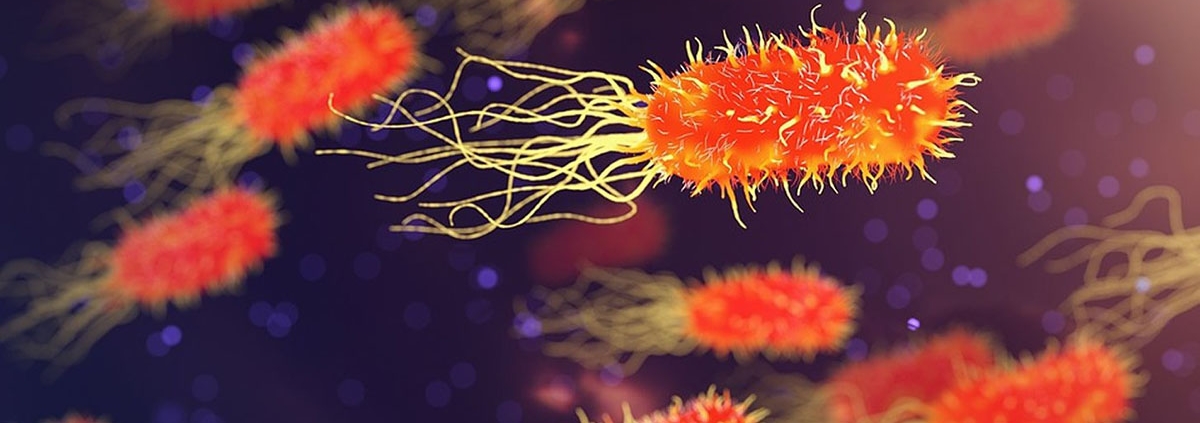
Link between Alzheimer’s disease and gut microbiota is confirmed - ارتباط بین باکتری های روده ای و بیماری آلزایمر تایید شد.

The gut microbiota could play a role in brain diseases including Alzheimer’s disease. Some gut bacteria release lipopolysaccharides and short chain fatty acids that can reach the brain via the blood and might cause amyloid pathology and neurodegeneration.

Alzheimer’s disease is the most common cause of dementia. Still incurable, it directly affects nearly one million people in Europe, and indirectly millions of family members as well as society as a whole. In recent years, the scientific community has suspected that the gut microbiota plays a role in the development of the disease. A team from the University of Geneva (UNIGE) and the University Hospitals of Geneva (HUG) in Switzerland, together with Italian colleagues from the National Research and Care Center for Alzheimer’s and Psychiatric Diseases Fatebenefratelli in Brescia, University of Naples and the IRCCS SDN Research Center in Naples, confirm the correlation, in humans, between an imbalance in the gut microbiota and the development of amyloid plaques in the brain, which are at the origin of the neurodegenerative disorders characteristic of Alzheimer’s disease. Proteins produced by certain intestinal bacteria, identified in the blood of patients, could indeed modify the interaction between the immune and the nervous systems and trigger the disease. These results, to be discovered in the Journal of Alzheimer’s Disease, make it possible to envisage new preventive strategies based on the modulation of the microbiota of people at risk.

Release date: 13 November 2020
Source: Université de Genève

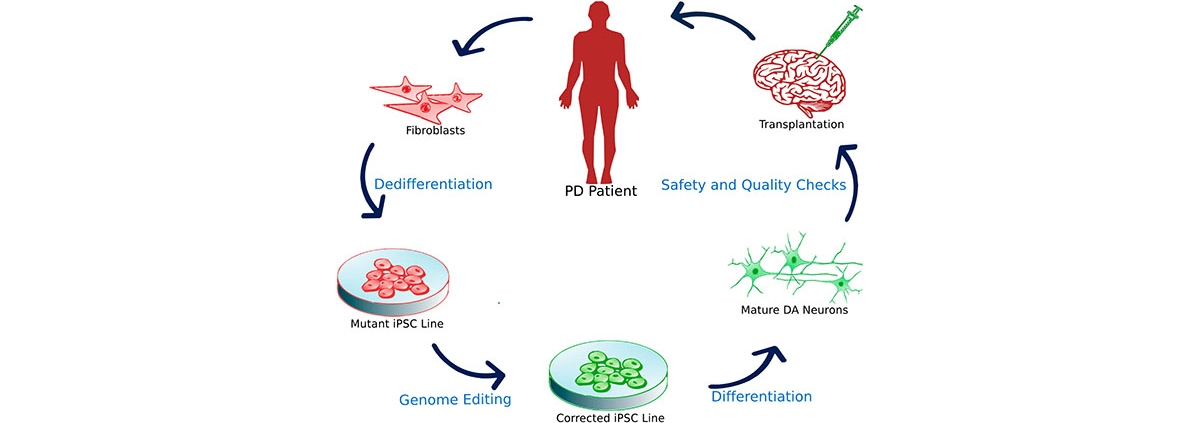
New approach against Parkinson’s disease through stem cell research - سلول های بنیادی به کمک درمان پارکینسون می آیند
The Luxembourg Centre for Systems Biomedicine (LCSB) of the University of Luxembourg, experimented on patient-based cell cultures in the laboratory. The new combination of active substances they identified will have to undergo clinical trials before they can be used to treat patients. The research team published its results today in the prestigious scientific journal Science Translational Medicine.
Release date: 10 September 2020
Tag team gut bacteria worsen symptoms of multiple sclerosis - برخی باکتری های روده ای می توانند باعث تشدید علایم بیماری ام اس شوند

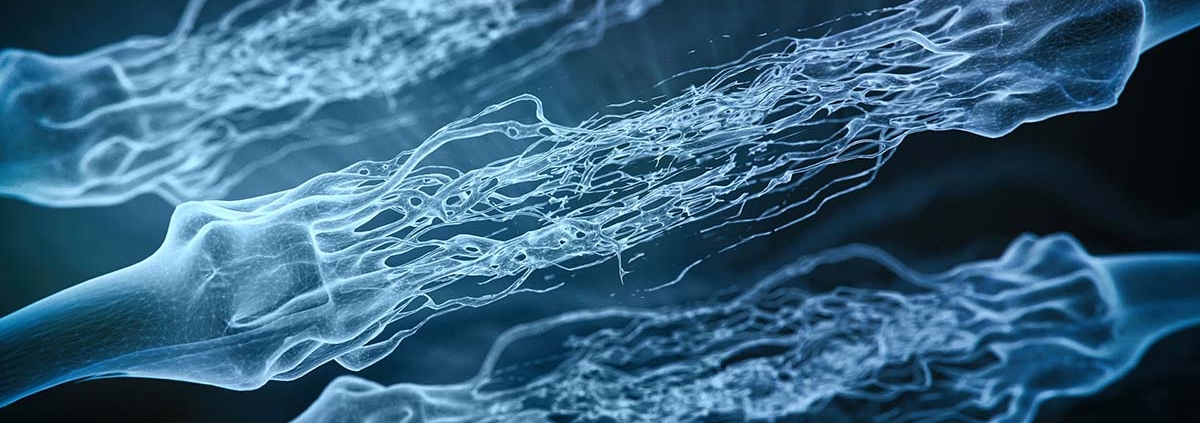
Multiple sclerosis is an autoimmune disease in which the immune system attacks the myelin that covers the nerve cells of the brain and spinal cord. Demyelination affects how rapidly neurons communicate with each other and with muscles, causing a variety of symptoms including numbness, weak muscles, tremors, and the inability to walk. Gut microorganisms have been reported to affect symptoms of multiple sclerosis, but how bacteria in the intestines can affect myelin of the brain and spinal cord remained a mystery.

Researchers led by Hiroshi Ohno at RIKEN IMS set out find this connection using a mouse model of the disease. These mice experience similar demyelination of the spinal cord that results from autoimmune attacks by T cells that produce the cytokine IL-17A. However, giving these mice the antibiotic ampicillin reduced demyelination. The treatment also prevented the activation of a particular type of T cell. As Ohno explains, “we found that treatment with ampicillin, and only ampicillin, selectively reduced activity of T cells that attack an important protein called myelin oligodendrocyte glycoprotein [MOG], which helps myelin stick to neurons.”

Release date: 27 August 2020

Source: RIKEN

New Treatment Approach for Alzheimer’s Disease - درمان بالقوه جدید برای بیماری آلزایمر

Research looking at a possible new therapeutic approach for Alzheimer’s disease was recently published in the Journal of Neuroinflammation. The work looked at targeting inflammation by using an antibody. Alzheimer’s disease and related dementias have no disease-modifying treatments at this time and represent a looming public health crisis given the continually growing aging population.

The paper by researchers at the University of Kentucky’s Sanders-Brown Center on Aging (SBCoA) is titled, “Therapeutic Trem2 activation ameliorates amyloid-beta deposition and improves cognition in the 5XFAD model of amyloid deposition”.

Release date: 25 August 2020

Source: University of Kentucky

Mechanisms identified to restore myelin sheaths after injury or in multiple sclerosis - امیدهای تازه برای درمان ام اس با کنترل ترمیم غلاف میلین

Researchers reveal a potential method for treating multiple sclerosis / Theophylline activates histone deacetylase, enabling the reconstruction of myelin sheaths.

A research team led by neurobiologist Professor Claire Jacob has identified an important mechanism that can be used to control the restoration of myelin sheaths following traumatic injury and in degenerative diseases. With the insights gained, the researchers were able to regenerate damaged myelin sheaths in mice by treating them with the active substance theophylline, thereby restoring their nerve cell function. The groundbreaking findings are the result of research carried out at Johannes Gutenberg University Mainz (JGU) and the University of Fribourg in Switzerland.

Release date: 24 August 2020

Source: Johannes Gutenberg Universitaet Mainz