
Release date: 5 August 2020
Source: American Academy of Neurology

Neurologic disorders
Release date: 5 August 2020
Source: American Academy of Neurology

An early blood test could detect which babies deprived of oxygen at birth are at risk of serious neurodisabilities like cerebral palsy and epilepsy.
The prototype test looks for certain genes being switched on and off that are linked to long-term neurological issues. Further investigations of these genes may provide new targets for treating the brain damage before it becomes permanent.
The team behind the test, led by Imperial College London researchers in collaboration with groups in India, Italy and the USA, have published their findings today in the journal Scientific Reports.
Release date: 04 August 2020
Source: Imperial College London
A new study out of Colorado State University has found that physical stress in one’s job may be associated with faster brain aging and poorer memory.
Aga Burzynska, an assistant professor in the Department of Human Development and Family Studies, and her research team connected occupational survey responses with brain-imaging data from 99 cognitively normal older adults, age 60 to 79. They found that those who reported high levels of physical stress in their most recent job had smaller volumes in the hippocampus and performed poorer on memory tasks. The hippocampus is the part of the brain that is critical for memory and is affected in both normal aging and in dementia.
Their findings were published this summer in Frontiers in Human Neuroscience under the research topic “Work and Brain Health Across the Lifespan.”
“We know that stress can accelerate physical aging and is the risk factor for many chronic illnesses,” Burzynska said. “But this is the first evidence that occupational stress can accelerate brain and cognitive aging.”
Release date: 16 July 2020
Source: Colorado State University
Three research studies reported at AAIC 2020 suggest:
“With the COVID-19 pandemic, vaccines are at the forefront of public health discussions. It is important to explore their benefit in not only protecting against viral or bacterial infection but also improving long-term health outcomes,” said Maria C. Carrillo, Ph.D., Alzheimer’s Association chief science officer.
“It may turn out to be as simple as if you’re taking care of your health in this way — getting vaccinated — you’re also taking care of yourself in other ways, and these things add up to lower risk of Alzheimer’s and other dementias,” Carrillo said. “This research, while early, calls for further studies in large, diverse clinical trials to inform whether vaccinations as a public health strategy decrease our risk for developing dementia as we age.”
Release date: 27 July 2020
Source: Alzheimer’s Association
Harvard University scientists have identified a new gut-brain connection in the neurodegenerative disease amyotrophic lateral sclerosis, or ALS. The researchers found that in mice with a common ALS genetic mutation, changing the gut microbiome using antibiotics or fecal transplants could prevent or improve disease symptoms.
Release date: 14 May 2020
Source: Harvard University
Reprogramming a patient’s own skin cells to replace cells in the brain that are progressively lost during Parkinson’s disease (PD) has been shown to be technically feasible, reports a team of investigators from McLean Hospital and Massachusetts General Hospital (MGH) in the most recent issue of the New England Journal of Medicine.
Release date: 13 May 2020
Source: McLean Hospital
New experimental drug, vamorolone, can reduce chronic inflammation as well as risk of heart failure in patients with Duchenne muscular dystrophy (DMD). Scientists affiliated with Children’s National Health System show.
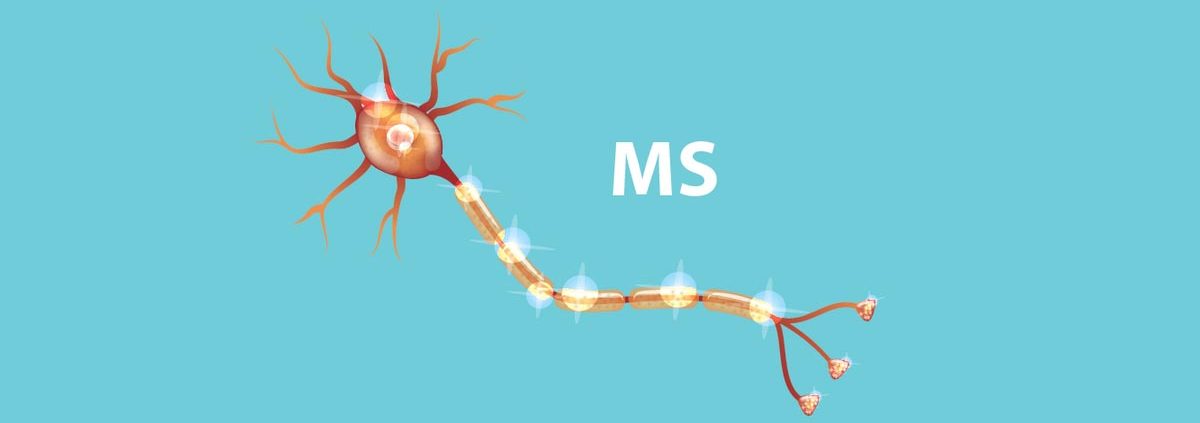
New study led by Charité – Universitätsmedizin Berlin uncovers how the body initiates repair mechanisms which will limit the extent of any damage to myelin sheath. This study, published in Nature Communications, may open the door to a new way for Multiple Sclerosis (MS) treatment.
An interesting study by Iowa State University demonstrates the potential to reduce stress, improve motor function for people with Parkinson’s disease with singing.
Scientist from university of Wisconsin-Madison uncovers a potential to replace the lost of myelin and provide a new way to treat multiple sclerosis.