
Their results suggest that adherence to the MD could reduce the high risk of RA among ever‐smoking women.
Release date: 9 September 2020
Source: Wiley

Public Health
Their results suggest that adherence to the MD could reduce the high risk of RA among ever‐smoking women.
Release date: 9 September 2020
Source: Wiley

Release date: 14 September 2020

The widely used and well-tolerated drug commonly used to treat Parkinson’s disease may help significantly reduce the need for more costly, more invasive treatments, report investigators in The American Journal of Medicine.
Investigators have determined that treating patients with an advanced form of age-related macular degeneration (AMD) with levodopa, a safe and readily available drug commonly used to treat Parkinson’s disease, stabilized and improved their vision. It reduced the number of treatments necessary to maintain vision, and as such, will potentially reduce the burden of treating the disease, financially and otherwise.
Release date: 10 September 2020
Source: Elsevier
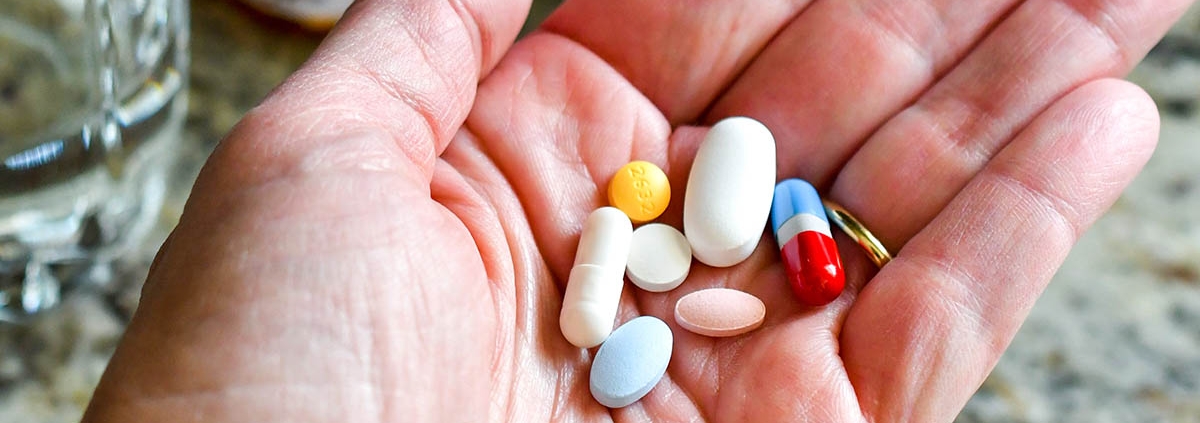
People who took acetaminophen rated activities like “bungee jumping off a tall bridge” and “speaking your mind about an unpopular issue in a meeting at work” as less risky than people who took a placebo, researchers found.
Use of the drug also led people to take more risks in an experiment where they could earn rewards by inflating a virtual balloon on a computer: Sometimes they went too far and the balloon popped.
The study was published online in the journal Social Cognitive and Affective Neuroscience.
Release date: 8 September 2020
Source: Ohio State University

Obesity may cause a hyperactive immune system response to COVID-19 infection that makes it difficult to fight off the virus, according to a new manuscript published in the Endocrine Society’s journal, Endocrinology.
Release date: 3 September 2020
Source: The Endocrine Society

Individuals who can unconsciously predict complex patterns, an ability called implicit pattern learning, are likely to hold stronger beliefs that there is a god who creates patterns of events in the universe.
Their research, reported in the journal Nature Communications, is the first to use implicit pattern learning to investigate religious belief. The study spanned two very different cultural and religious groups, one in the U.S. and one in Afghanistan.
Release date: 9 September 2020
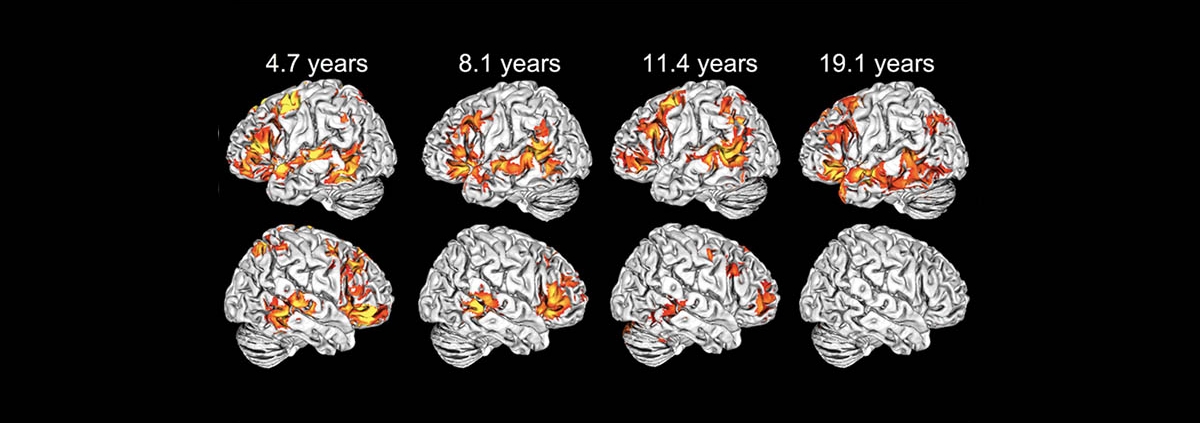
Infants and young children have brains with a superpower, of sorts, say Georgetown University Medical Center neuroscientists. Whereas adults process most discrete neural tasks in specific areas in one or the other of their brain’s two hemispheres, youngsters use both the right and left hemispheres to do the same task. The finding suggests a possible reason why children appear to recover from neural injury much easier than adults.
The study, published Sept. 7, 2020, in PNAS,
Release date: 7 September 2020

Men might want to think twice before reaching for their smartphone at night. A new study found correlations between electronic media use at night and poor sperm quality.
Preliminary results show that greater self-reported exposure to light-emitting media devices in the evening and after bedtime is associated with a decline in sperm quality. Sperm concentration, motility and progressive motility — the ability of sperm to “swim” properly — were all lower, and the percentage of immotile sperm that are unable to swim was higher, in men who reported more smartphone and tablet usage at night. Journal reference: Sleep
Release date: 27 August 2020

Multisystem inflammatory syndrome in children (MIS-C), believed to be linked to COVID-19, damages the heart to such an extent that some children will need lifelong monitoring and interventions, said the senior author of a medical literature review published Sept. 4 in EClinicalMedicine, a journal of The Lancet.
Release date: 4 September 2020
Source: University of Texas Health Science Center at San Antonio

Feeling angry these days? New research suggests that a good night of sleep may be just what you need.
This program of research comprised an analysis of diaries and lab experiments. The researchers analyzed daily diary entries from 202 college students, who tracked their sleep, daily stressors, and anger over one month. Preliminary results show that individuals reported experiencing more anger on days following less sleep than usual for them.
The research team also conducted a lab experiment involving 147 community residents. Participants were randomly assigned either to maintain their regular sleep schedule or to restrict their sleep at home by about five hours across two nights. Following this manipulation, anger was assessed during exposure to irritating noise.
Release date: 28 August 2020