Public Health

Transplanted brown-fat-like cells hold promise for obesity and diabetes - پیوند سلول های قهوه ای چربی در درمان چاقی و دیابت نتایج امیدوارکننده ای داشته است

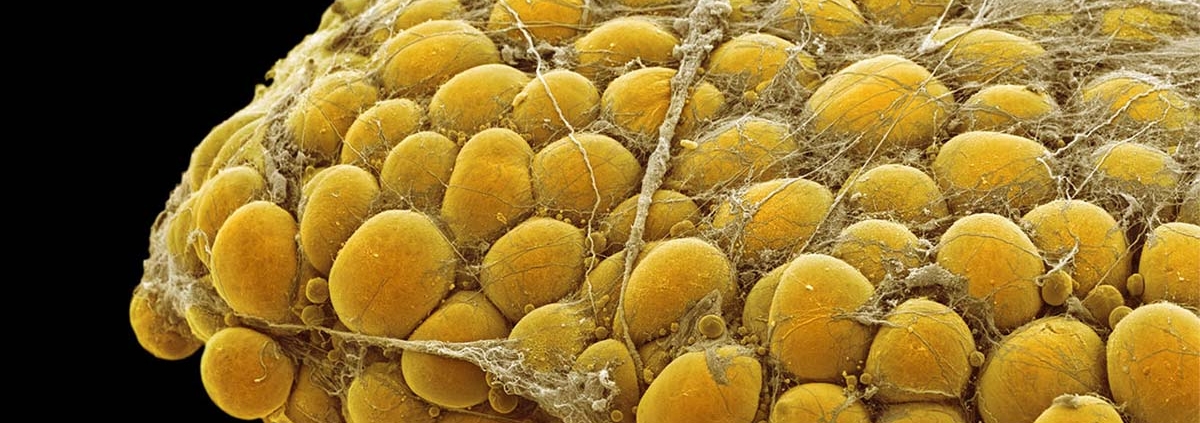
Obesity is the main cause of type 2 diabetes and related chronic illnesses that together will kill more people around the globe this year than the Covid-19 coronavirus. Scientists at Joslin Diabetes Center have delivered a proof of concept for a novel cell-based therapy against this dangerous condition.

The potential therapy for obesity would transplant HUMBLE (human brown-like) fat cells, human white fat cells that have been genetically modified to become similar to heat-generating brown fat cells.

Brown fat cells burn energy instead of storing energy as white fat cells do, says Tseng, senior author on a paper about the work in Science Translational Medicine . In the process, brown fat can lower excessive levels of glucose and lipids in the blood that are linked to metabolic diseases such as diabetes.

Release date: 26 August 2020

Source: Joslin Diabetes Center

COVID Has Likely Tripled Depression Rates in the US - همه گیری کرونا شیوع علایم افسردگی را سه برابر کرده است

As the COVID-19 pandemic continues to sicken millions and claim the lives of thousands of people in the US, as millions lose their jobs, as parents and teachers worry about kids going back to school, as renters face eviction and homeowners face foreclosures… it may not come as a surprise that mental health in the general population is far from good right now.

But a first-of-its-kind School of Public Health study finds that this unprecedented time has more than tripled the prevalence of depression symptoms in the US, from 8.5 percent of adults before the pandemic to 27.8 percent as of mid-April.

The findings are published in the journal JAMA Network Open.

Release date: 2 September 2020

Source: Boston University School of Medicine

Bilingual children may lose less brain matter as they grow up - کودکان دوزبانه احتمالا در بزرگسالی عملکرد مغزی بهتری دارند

Children and adolescents who speak more than one language may reach adulthood with more grey matter, according to a new study.

In a paper published in Brain Structure and Functionan international team of academics led by the University of Reading and Georgetown University looked at detailed scans of children’s and adolescents’ brains and found that bilingual participants had potential advantages of both grey and white matter than similarly-aged children who spoke only one language.

Release date: 2 September 2020

Source: University of Reading

Smartphones Are Lowering Students Grades - استفاده از گوشی هوشمند توسط دانش آموزان باعث افت تحصیلی آن ها می شود

The ease of finding information on the internet is hurting students’ long-term retention and resulting in lower grades on exams, according to a Rutgers University–New Brunswick study.

The study, published in the journal Educational Psychology, found that smartphones seem to be the culprit. Students who received higher homework but lower exam scores — a half to a full letter grade lower on exams — were more likely to get their homework answers from the internet or another source rather than coming up with the answer themselves.

“When a student does homework by looking up the answers, they usually find the correct answer, resulting in a high score on the assignment,” said lead author Arnold Glass, a professor of psychology at Rutgers–New Brunswick’s School of Arts and Sciences. “However, when students do that, they rapidly forget both the question and answer. Consequently, they transform homework from what has been, until now, a useful exercise into a meaningless ritual that does not help in preparing for exams.”

Release date: 3 September 2020

Source: Rutgers University

kidneys infected with hepatitis C can be safely transplanted into healthy recipients - پیوند کلیه فرد مبتلا به هپاتیت C به فرد سالم امکان پذیر است

Donor kidneys with hepatitis C infection can be safely transplanted into noninfected recipients. A regimen of direct-acting antiviral therapies must be initiated as early as two days after the transplant. Findings may help address national shortage in donor kidneys and expand access.

Kidneys from deceased donors with hepatitis C virus (HCV) infection can be safely transplanted into noninfected recipients when a regimen of direct-acting antiviral therapies is initiated as early as two days after the transplant, according to a study from Massachusetts General Hospital (MGH). In a multi-center clinical trial reported in the Journal of the American Society of Nephrology, MGH researchers found that each of 30 kidney recipients were cured of HCV with no serious side effects attributable to the antiviral therapy, and that nearly all maintained excellent allograft function at six months.

Release date: 2 September 2020

Source: Massachusetts General Hospital

Long naps may be bad for health - خوابیدن زیاد طی روز برای سلامتی خوب نیست

Many believe that lying down for a snooze is a harmless activity. But today, scientists show that drifting off for more than one hour could be risky.

Daytime napping is common all over the world and is generally considered a healthy habit. A common view is that napping improves performance and counteracts the negative consequences of ‘sleep debt’.

Previous research on the link between daytime naps and death or cardiovascular disease has produced conflicting results. In addition, it did not account for the duration of night-time sleep.

This study summarised the available evidence to assess the relationship between napping and the risks of all-cause death and cardiovascular disease. A total of 313,651 participants from more than 20 studies were included in the analysis. Some 39% of participants took naps.

The analysis found that long naps (more than 60 mins) were associated with a 30% greater risk of all-cause death and 34% higher likelihood of cardiovascular disease compared to no napping. When night-time sleep was taken into account, long naps were linked with an elevated risk of death only in those who slept more than six hours per night.

Release date: 26 August 2020

Source: European Society of Cardiology

Exposure to cadmium in the womb linked to childhood asthma and allergies - تماس مادر با کادمیوم در دوران بارداری، خطر ابتلا فرزند به آسم و آلرژی را افزایش می دهد

Babies born with higher levels of cadmium in their umbilical cord blood may be more likely to develop childhood asthma and allergies, according to research presented at the European Respiratory Society International Congress.

Cadmium is known to be hazardous to human health and its use is restricted in the European Union, but it has been widely used, for example in batteries, pigments and as a coating for other metals. It is also present in tobacco and can enter the body via smoking or passive smoking.

Researchers say their findings lend support for tight controls over the use and disposal of cadmium.

Release date: 3 September 2020

Source: European Lung Foundation

Vitamin D deficiency may raise risk of getting COVID-19 - کمبود ویتامین دی خطر ابتلا به بیماری کرونا را افزایش می دهد

In a retrospective study of patients tested for COVID-19, researchers at the University of Chicago Medicine found an association between vitamin D deficiency and the likelihood of becoming infected with the coronavirus.

“Vitamin D is important to the function of the immune system and vitamin D supplements have previously been shown to lower the risk of viral respiratory tract infections,” said David Meltzer, Chief of Hospital Medicine at UChicago Medicine and lead author of the study. “Our statistical analysis suggests this may be true for the COVID-19 infection.”

The research team looked at 489 patients at UChicago Medicine whose vitamin D level had been measured within a year before being tested for COVID-19. Patients who had vitamin D deficiency (defined as less than 20 nanograms per milliliter of blood) that was not treated were almost twice as likely to test positive for COVID-19 compared to patients who had sufficient levels of the vitamin.

Release date: 8 September 2020

Source: University of Chicago Medical Center

Scientists identify promising new ALS drug candidates - دانشمندان دارویی امیدوارکننده برای درمان بیماری ای ال اس پیدا کردند

Scientists have taken a significant step forward in the search to find effective new drug candidates for the treatment of motor neurone disease.

Researchers from the Universities of Liverpool (UK) and Nagoya (Japan) have shown that a Selenium-based drug-molecule called ebselen and a number of other novel compounds developed at Liverpool can change many of the toxic characteristics of a protein, superoxide dismutase (SOD1), which causes some cases of Amyotrophic lateral sclerosis (ALS), also known as motor neurone disease.

The study is published in the journal EBioMedicine.

Release date: 1 September 2020

Source: University of Liverpool

Severe Covid-19 despite or even due to the strong immunity - برخلاف تصور پیشین موارد شدید کرونا ممکن است به علت ایمنی بهتر بیمار اتفاق بیفتد

Critically ill patients present a similar or even stronger immunity against the virus than convalescent patients. This supports the theory that severe infections might be linked to an exaggerated immune reaction.

A weak immune response isn’t the cause of dangerous lung failure in severe Covid-19 infections. Such infections seem, on the contrary, to be caused by an overreaction of the immune system. This is the conclusion made by a research team from Ruhr-Universität Bochum (RUB) and the university hospital of Duisburg-Essen led by Professor Nina Babel, Head of the Centre for Translational Medicine at the RUB clinic Marien Hospital Herne. The team from Marien Hospital and the department of Virology of Ruhr-Universität Bochum (RUB) as well as the Clinic for Infectious Diseases, the Clinic of Anesthesiology and the Institute for Virology of University Medicine Essen studied specific antibodies and T cells occurring in recovered, seriously ill and deceased Covid-19 patients. The researchers identified comparable immune reactions in clinical follow up. They report their findings in the journal Cell Reports Medicine from 29 August 2020.

Release date: 1 September 2020

Source: Ruhr-University Bochum