Public Health

Vitamin D deficiency may increase risk for addiction to opioids and ultraviolet rays - رد پای ویتامین D در اعتیاد

Lab animals deficient in vitamin D crave and become dependent on opioids, which is curbed when normal levels of the vitamin are restored.
Human health records indicate that people with low vitamin D are more likely to use and misuse opioids.
Study results suggest a potential role for vitamin D supplementation in fighting opioid addiction.

Vitamin D deficiency strongly exaggerates the craving for and effects of opioids, potentially increasing the risk for dependence and addiction, according to a new study led by researchers at Massachusetts General Hospital (MGH). These findings, published in Science Advances, suggest that addressing the common problem of vitamin D deficiency with inexpensive supplements could play a part in combating the ongoing scourge of opioid addiction.

Release date: 11 Jun 2021
Source: Massachusetts General Hospital

COVID19 Reinfection Rate Less Than 1% for Those with Severe Illness - ابتلای مجدد به کرونای شدید

A review of more than 9,000 U.S. patients with severe COVID-19 infection showed less than 1% contracted the illness again, with an average reinfection time of 3.5 months after an initial positive test.

The researchers teamed up with the MU Institute for Data Science and Informatics and the Tiger Institute for Health Innovation to review data from 62 U.S. health care facilities. They found 63 of the 9,119 patients (0.7%) with severe COVID-19 infection contracted the virus a second time, with a mean reinfection period of 116 days. Of the 63 who were reinfected, two (3.2%) died. Patients categorized as non-white were at greater risk of reinfection than white patients.

Their study, “Re-infection with SARS-CoV-2 in Patients Undergoing Serial Laboratory Testing,” was recently published in the journal Clinical Infectious Diseases.

Release date: 15 Jun 2021
Source: University of Missouri-Columbia

Womens mental health has higher association with dietary factors - نقش مهم تغذیه در سلامت ذهنی به خصوص در بانوان

Women’s mental health likely has a higher association with dietary factors than men’s, according to new research from Binghamton University.

Lina Begdache, assistant professor of health and wellness studies at Binghamton University, had previously published research on diet and mood that suggests that a high-quality diet improves mental health. She wanted to test whether customization of diet improves mood among men and women ages 30 or older.

Fast food, skipping breakfast, caffeine and high-glycemic (HG) food are all associated with mental distress in mature women,” said Begdache. “Fruits and dark green leafy vegetables (DGLV) are associated with mental well-being. The extra information we learned from this study is that exercise significantly reduced the negative association of HG food and fast food with mental distress,” said Begadache.

The paper, “Customization of Diet May Promote Exercise and Improve Mental Wellbeing in Mature Adults: The Role of Exercise as a Mediator,” was published in the Journal of Personalized Medicine .

Release date: 07 Jun 2021
Source: Binghamton University

Exercise likely to be best treatment for depression in coronary heart disease - ورزش بهترین درمان افسردگی در بیماران قلبی

A study by RCSI indicates that exercise is probably the most effective short-term treatment for depression in people with coronary heart disease, when compared to antidepressants and psychotherapy or more complex care.

The study, led by researchers at RCSI University of Medicine and Health Sciences, is published in the June edition of Psychosomatic Medicine.

This is the first systematic review to compare treatments for depression in those with coronary disease and the findings provide valuable clinical information to help doctors determine the best treatment plan for patients.

The researchers reviewed treatment trials which investigated antidepressants, psychotherapy, exercise, combined psychotherapy and antidepressants, and collaborative care (i.e. treatments devised by a multidisciplinary team of clinicians with input from the patient).

To measure effectiveness, the researchers looked at factors including patient adherence to the treatment (dropout rate) and change in depressive symptoms eight weeks after commencing treatment.

The strongest treatment effects were found to be exercise and combination treatments (antidepressants and psychotherapy). However, as the combination study results have a high risk of bias, the findings of the review suggest that exercise is probably the most effective treatment. Antidepressants had the most research support, while psychotherapy and collaborative care did not perform very well.

Release date: 08 Jun 2021
Source: RCSI

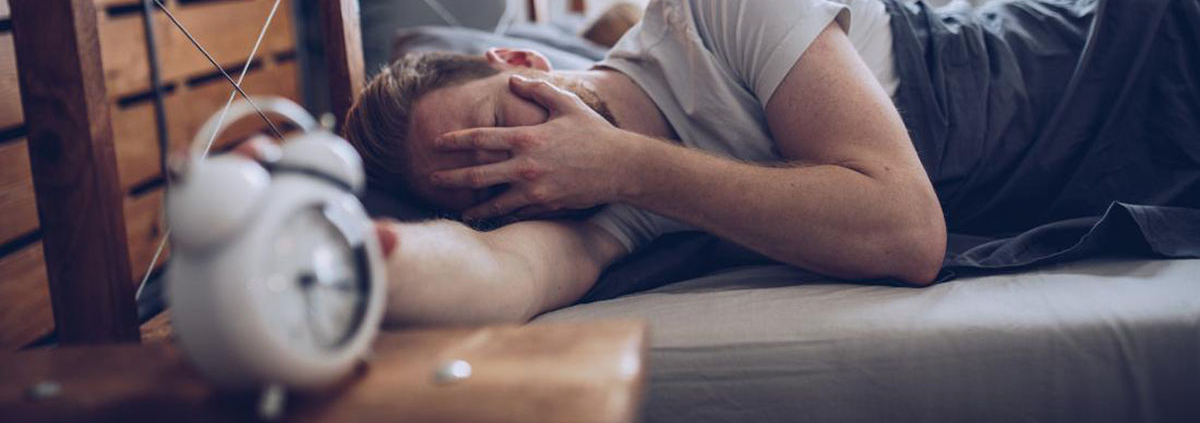
People who have trouble sleeping are at a higher risk of dying especially people with diabetes - بدخوابی عاملی برای مرگ زودرس

In a paper published by the Journal of Sleep Research, researchers reveal how they examined data from half a million middle-aged UK participants asked if they had trouble falling asleep at night or woke up in the middle of the night.

The report found that people with frequent sleep problems are at a higher risk of dying than those without sleep problems. This grave outcome was more pronounced for people with Type-2 diabetes: during the nine years of the research, the study found that they were 87 per cent more likely to die of any cause than people without diabetes or sleep disturbances.

The study also found that people with diabetes and sleep problems were 12 per cent more likely to die over this period than those who had diabetes but not frequent sleep disturbances.

Release date: 08 Jun 2021
Source: University of Surrey

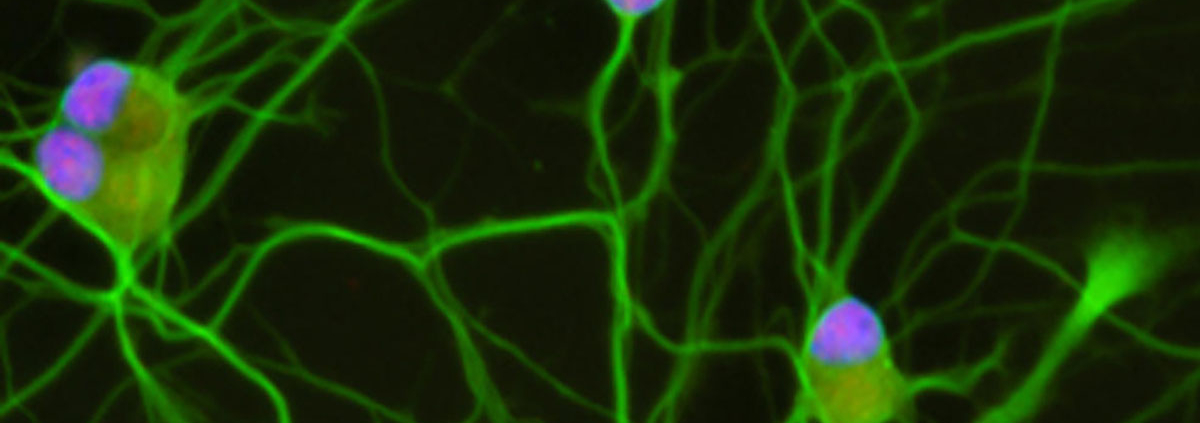
Motor neurons derived from patients point to new possible drug target for ALS - درمان جدید ALS

Amyotrophic lateral sclerosis (ALS) is a severe, fatal neurodegenerative disorder causing loss of motor neurons and voluntary muscle action. While mouse studies have identified potential treatments, these drugs have typically done very poorly in human trials. Researchers at Boston Children’s Hospital, working in collaboration with Pfizer, now report a high-throughput target and drug discovery platform using motor neurons made from ALS patients. Using the platform, they confirmed two known targets and identified an existing class of drugs — agonists to the dopamine D2 receptor — as potential novel treatments.

The researchers, led by Clifford Woolf, MD, PhD, director of the F.M. Kirby Neurobiology Center at Boston Children’s, and first authors Xuan Huang, PhD, and Kasper Roet, PhD, in Woolf’s lab, describe the platform and their findings June 8 in the journal Cell Reports .

To create the motor neurons used for drug screening, the team used induced pluripotent stem cells, made by the lab of Kevin Eggan at Harvard University from tissue samples of patients with ALS who carried the SOD1(A4V) mutation. The Woolf lab also developed a high-throughput, live-cell imaging technology to measure the motor neurons’ hyperexcitability — the tendency to “fire” excessively — before and after exposure to candidate drugs. Woolf and colleagues previously showed that human motor neurons with ALS mutations are more excitable than normal motor neurons.

Release date: 08 Jun 2021
Source: Boston Children’s Hospital

Laughing gas relieves symptoms in people with treatment resistant depression - گاز خنده درمان جدید افسردگی مقاوم

A single, one-hour treatment that involves breathing in a mixture of oxygen and nitrous oxide — otherwise known as laughing gas — significantly improved symptoms in people with treatment-resistant depression, according to new data from researchers at Washington University School of Medicine in St. Louis and the University of Chicago.

In a phase 2 clinical trial, the researchers demonstrated that symptoms of depression improve rapidly following treatment with inhaled nitrous oxide. Further, they reported the benefits can last for several weeks.

The findings are published June 9 in the journal Science Translational Medicine.

Release date: 09 Jun 2021
Source: Washington University School of Medicine

Gene protection for Covid19 identified - نقش ژنتیک در ابتلا به کرونا

The first evidence of a genetic link explaining why some people who catch Covid-19 don’t become sick has been discovered.

A scientific and medical team led by Newcastle University, UK, have demonstrated that the gene, HLA-DRB1*04:01, is found three times as often in people who are asymptomatic. This suggests that people with this gene have some level of protection from severe Covid.

The study, funded by Innovate UK, the UK’s innovation agency, compared asymptomatic people to patients from the same community who developed severe Covid but had no underlying illnesses, and is published today in the HLA journal.

The study team believe this is the first clear evidence of genetic resistance because this study compared severely affected people with an asymptomatic COVID group and used next generation sequencing to focus in detail and at scale on the HLA genes which are packed together on chromosome 6. Other studies have scanned the whole genome but that approach is less effective in the tissue typing complex.

Genome wide studies can be likened to a satellite image. The high density and complexity of the histocompatibility complex and variation in different populations means significant variation can be overlooked. For example, different alleles or versions of the same gene could have opposite effects on the immune response. This study was much more focused and compared symptomatic to asymptomatic in the same population revealing the “protective” qualities of the allele.

Release date: 04 Jun 2021
Source: Newcastle University

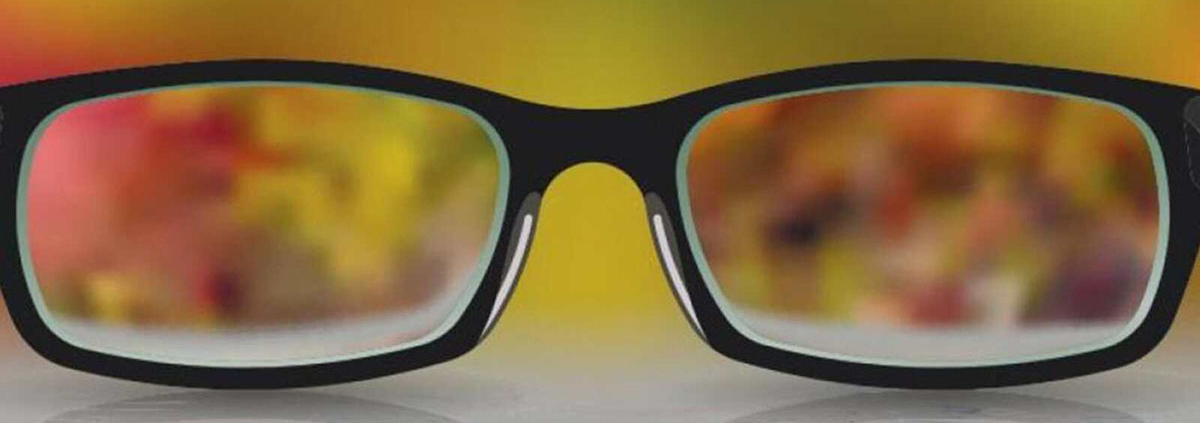
Sleep and screen time link to myopia - ارتباط نزدیک بینی و بدخوابی

New research from Flinders University indicates people with near-sightedness or myopia are more likely to experience poorer sleep quality than people with normal vision.

The study, led by optometrist Dr Ranjay Chakraborty from the Flinders Caring Futures Institute, indicates that people with short-sightedness have more delayed circadian rhythms and lower production of melatonin, a hormone secreted in the brain and responsible for regulating sleep at night, compared to people with normal vision.

People affected by myopia or short-sightedness are familiar with the frustration of only being able to clearly see objects up close, but not a far distance.

The findings, published in the journal Sleep, show that the participants with myopia take longer to fall asleep, sleep for shorter periods of time at night and are more likely to go to bed later or be ‘night owls’ compared to those with normal sight.

Release date: 27 May 2021
Source: Flinders University

tai chi can mirror healthy benefits of conventional exercise - تاثیر قابل توجه تای چی در کنترل وزن

A new study shows that tai chi mirrors the beneficial effects of conventional exercise by reducing waist circumference in middle-aged and older adults with central obesity. The study was done by investigators at the University of Hong Kong, The Chinese University of Hong Kong; Chinese Academy of Sciences; and UCLA.

JOURNAL: Annals of Internal Medicine

Release date: 01 Jun 2021
Source: University of California – Los Angeles Health Sciences