
Public Health

Fatigue perceived cognitive impairment and mood disorders associated with post COVID19 syndrome - سندرم پس از کرونا

Patients diagnosed with post-COVID-19 syndrome, also known as “PCS,” “COVID-19 long-haul syndrome” and “Post-Acute Sequelae of SARS COV-2,” experience symptoms such as mood disorders, fatigue and perceived cognitive impairment that can negatively affect returning to work and resuming normal activities, according to a Mayo Clinic study published in Mayo Clinic Proceedings.

The study reports on the first 100 patients to participate in Mayo Clinic’s COVID-19 Activity Rehabilitation program (CARP), one of the first multidisciplinary programs established to evaluate and treat patients with post-COVID-19 syndrome. The patients were evaluated and treated between June 1 and Dec. 31, 2020. They had a mean age of 45, and 68% were female. They were evaluated a mean of 93 days after infection.

The most common symptom of patients seeking evaluation for post-COVID-19 syndrome was fatigue. Of the patients in the study, 80% reported unusual fatigue, while 59% had respiratory complaints and a similar percentage had neurologic complaints. More than one-third of patients reported difficulties performing basic activities of daily living, and only 1 in 3 patients had returned to unrestricted work activity.

Release date: 12 May 2021
Source: Mayo Clinic
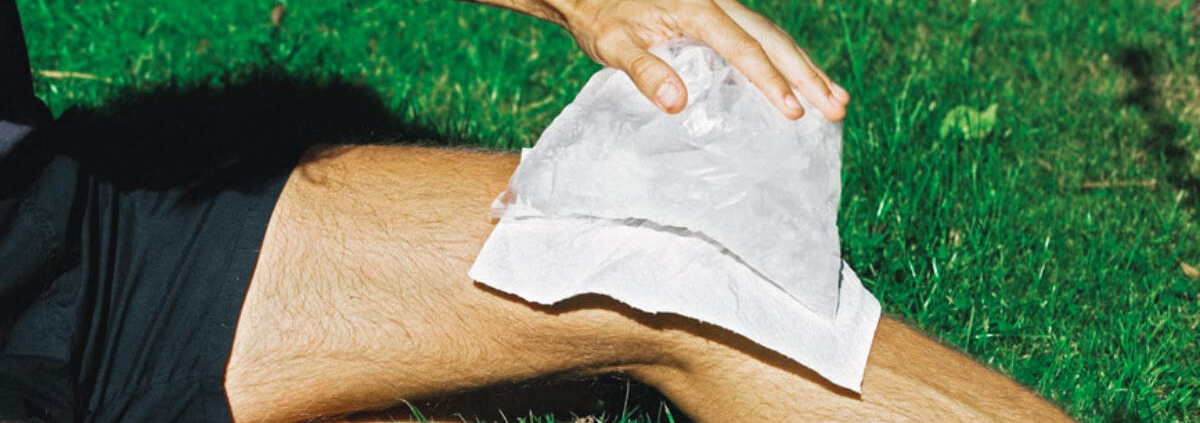
Icing muscle injuries may delay recovery - سرما درمانی و آسیب های عضلانی

A study using a mouse model of eccentric contraction has revealed that icing injured muscles delays muscle regeneration. In addition, the researchers illuminated that this phenomenon may be related to pro-inflammatory macrophages ability to infiltrate damaged cells. This research raises questions as to whether or not severe muscle injuries (such as torn muscles) should be iced.

The research results revealed that applying an ice pack to a severe muscle injury resulting from eccentric contraction may prolong the time it takes to heal.
The cause of this phenomenon is that icing delays the arrival of pro-inflammatory macrophages, which are responsible for the phagocytosis, or removal, of damaged tissue. Furthermore, this makes difficult for the macrophages to sufficiently infiltrate the damaged muscle cells.

These research results were published online as one of the Journal of Applied Physiology.

Release date: 18 May 2021
Source: Kobe University 

Eating more fruit and vegetables linked to less stress - تغذیه به وقت استرس

Eating a diet rich in fruit and vegetables is associated with less stress, according to new research from Edith Cowan University (ECU).

The study examined the link between fruit and vegetable intake and stress levels of more than 8,600 Australians aged between 25 and 91 participating in the Australian Diabetes, Obesity and Lifestyle (AusDiab) Study from Baker Heart and Diabetes Institute.

The findings revealed people who ate at least 470 grams of fruit and vegetables daily had 10 per cent lower stress levels than those who consumed less than 230 grams. The World Health Organization (WHO) recommends eating at least 400 grams of fruit and vegetables per day.

‘Fruit and vegetable intake is inversely associated with perceived stress across the adult lifespan’ was published in Clinical Nutrition.

Release date: 14 May 2021
Source: Edith Cowan University

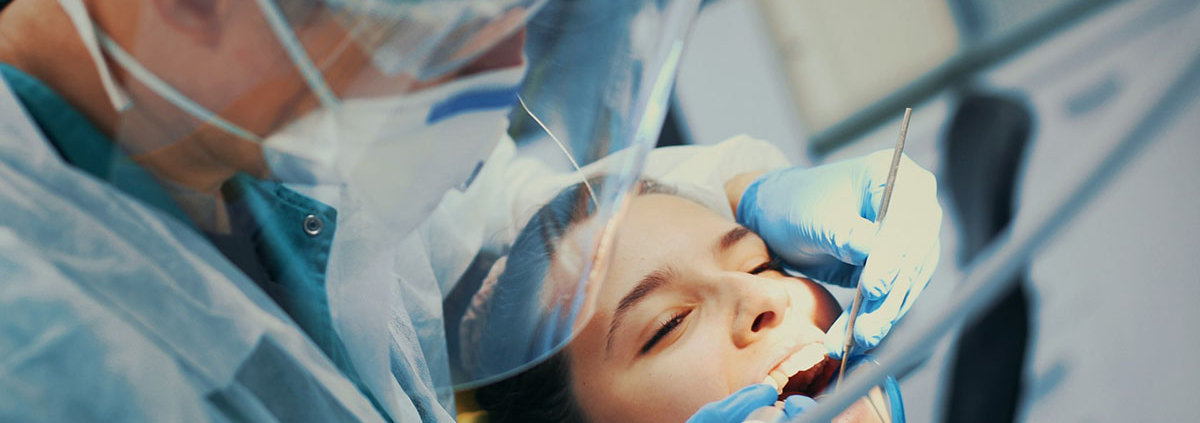
Dental procedures during pandemic are no riskier than a drink of water - دندانپزشکی به وقت کرونا

A new study’s findings dispel the misconception that patients and providers are at high risk of catching COVID-19 at the dentist’s office.

SARS-CoV-2 spreads mainly through respiratory droplets, and dental procedures are known to produce an abundance of aerosols – leading to fears that flying saliva during a cleaning or a restorative procedure could make the dentist’s chair a high-transmission location.

Ohio State University researchers set out to determine whether saliva is the main source of the spray, collecting samples from personnel, equipment and other surfaces reached by aerosols during a range of dental procedures.

By analyzing the genetic makeup of the organisms detected in those samples, the researchers determined that watery solution from irrigation tools, not saliva, was the main source of any bacteria or viruses present in the spatter and spurts from patients’ mouths.

Even when low levels of the SARS-CoV-2 virus were detected in the saliva of asymptomatic patients, the aerosols generated during their procedures showed no signs of the coronavirus. In essence, from a microbial standpoint, the contents of the spray mirrored what was in the office environment.

The study was published in the Journal of Dental Research.

Release date: 13 May 2021
Source: Ohio State University

Meaningful movies help people cope with lifes difficulties - تاثیر فیلم های خوب بر سلامت روان

Watching meaningful films – those that we find moving and poignant – can make us feel more prepared to deal with life’s challenges and want to be a better person, a new study found.

The findings point to one reason why people may choose to see movies that make them sad as well as happy and that may explore difficult subjects that aren’t always uplifting.

Researchers found that when people recalled watching meaningful films like The Shawshank Redemption and Up, they reported a variety of positive reactions, such as being better able to accept the human condition and make sense of problems in life.

Those positive experiences were less likely to be reported when people thought about watching Hollywood fare like The Big Lebowski or Catch Me if You Can.

The researchers created two lists of 20 Hollywood films, one a list of meaningful films and one a list of less meaningful films, all made after 1985 and with high viewer ratings.

The research was published online recently in the journal Mass Communication and Society.

Release date: 10 May 2021
Source: Ohio State University

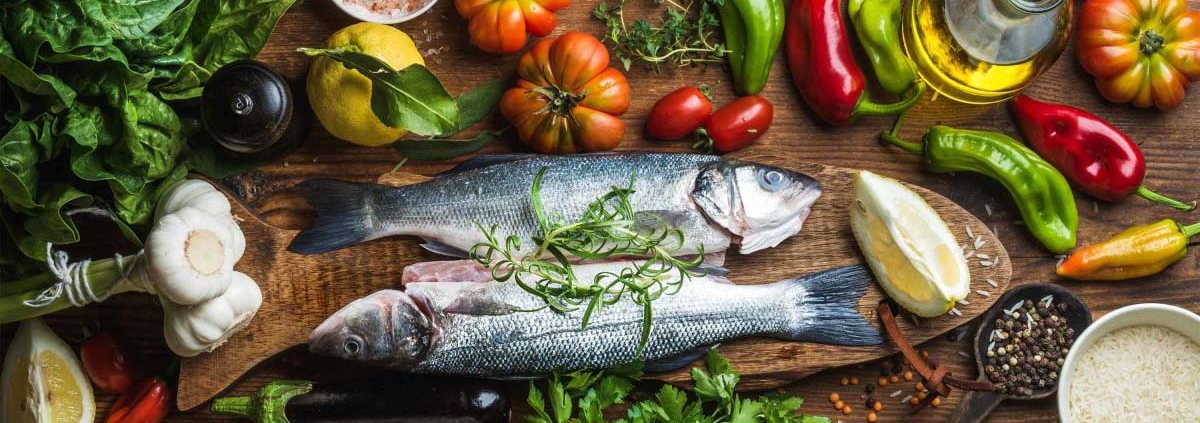
A Mediterranean diet might protect against memory loss and dementia - رژیم غذایی مناسب در آلزایمر

Alzheimer’s disease is caused by protein deposits in the brain and the rapid loss of brain matter. But a Mediterranean diet rich in fish, vegetables and olive oil might protect the brain from these disease triggers. Experts from the DZNE report on this in a recent study. Their findings are published in online issue of Neurology®, the medical journal of the American Academy of Neurology.

In Alzheimer’s disease, neurons in the brain die. Largely responsible for the death of neurons are certain protein deposits in the brains of affected individuals: So-called beta-amyloid proteins, which form clumps (plaques) between neurons, and tau proteins, which stick together the inside of neurons. The causes of these deposits are as yet unclear. In addition, a rapidly progressive atrophy, i.e. a shrinking of the brain volume, can be observed in affected persons. Alzheimer’s symptoms such as memory loss, disorientation, agitation and challenging behavior are the consequences.

Release date: 06 May 2021
Source: DZNE – German Center for Neurodegenerative Diseases

Too Much Too Little Sleep Linked to Elevated Heart Risks in People Free from Disease - خواب کافی نه افراط نه تفریط

People who clock six to seven hours of sleep a night had the lowest chance of dying from a heart attack or stroke when compared with those who got less or more sleep, according to a study being presented at the American College of Cardiology’s 70th Annual Scientific Session. This trend remained true even after the research team accounted for other known conditions or risk factors for heart disease or stroke.
The study, according to researchers, is the first to explore the association between baseline cardiovascular risk and duration of sleep and adds to mounting evidence that sleep—similar to diet, smoking and exercise—may play a defining role in someone’s cardiovascular risk.

Release date: 05 May 2021
Source: American College of Cardiology

Parks Not Only Safe but Essential During the Pandemic - فضاهای سبز در ایام کرونا

Parks played an important role for people seeking respite from the toll of social isolation during the pandemic, and according to new research from Drexel University, they did so without increasing the spread of COVID-19. The study looked at how people used 22 parks in Philadelphia and New York during the height of the pandemic and it found no strong correlation between park use and the number of confirmed cases in surrounding neighborhoods.

Published in the Journal of Extreme Events, Drexel’s study “Urban Park Usage During the COVID-19 Pandemic” surveyed park visitors over a three-month period from May to July 2020 at small and mid-size parks in New York and Philadelphia. And it compared park usage numbers to rates of COVID-19 transmission in the areas directly surrounding the parks.

Release date: 23 March 2021
Source: Drexel University

Thin and brittle bones strongly linked to womens heart disease risk - ارتباط سلامت استخوان و قلب

Thinning lower spine, top of thigh bone and hip predictive of raised heart attack/stroke risk

Thin and brittle bones are strongly linked to women’s heart disease risk, with thinning of the lower (lumbar) spine, top of the thigh bone (femoral neck), and hip especially predictive of a heightened heart attack and stroke risk, suggests research in the journal Heart.

Osteoporosis, often dubbed brittle bone disease, is common, particularly among women after the menopause. It is characterised by thinning and weakened bones and a heightened fracture risk.

Release date: 06 May 2021
Source: BMJ

Vegetarians Have Healthier Biomarkers Than Meat Eaters - گیاهخواری یا گوشتخواری؟

Research presented at this year’s ECO shows that vegetarians appear to have a healthier biomarker profile than meat-eaters. This applies to adults of any age and weight, and is also unaffected by smoking and alcohol consumption, according to a new study in over 166,000 UK adults.

Biomarkers can have bad and good health effects, promoting or preventing cancer, cardiovascular and age-related diseases, and other chronic conditions, and have been widely used to assess the effect of diets on health. However, evidence of the metabolic benefits associated with being vegetarian is unclear.

Even after accounting for potentially influential factors including age, sex, education, ethnicity, obesity, smoking, and alcohol intake, the analysis found that compared to meat-eaters, vegetarians had significantly lower levels of 13 biomarkers, including: total cholesterol; low-density lipoprotein (LDL) cholesterol—the so-called ‘bad cholesterol; apolipoprotein A (linked to cardiovascular disease), apolipoprotein B (linked to cardiovascular disease); gamma-glutamyl transferase (GGT) and alanine aminotransferase (AST)—liver function markers indicating inflammation or damage to cells; insulin-like growth factor (IGF-1; a hormone that encourages the growth and proliferation of cancer cells); urate; total protein; and creatinine (marker of worsening kidney function).

However, vegetarians also had lower levels of beneficial biomarkers including high-density lipoprotein ‘good’ (HDL) cholesterol, and vitamin D and calcium (linked to bone and joint health). In addition, they had significantly higher level of fats (triglycerides) in the blood and cystatin-C (suggesting a poorer kidney condition).

Release date: 10 May 2021
Source: European Association for the Study of Obesity