
Yoga Meditation Mindfulness in Concussion Treatment Plans - نتایج امیدوارکننده استفاده از یوگا و مدیتیشن در درمان ضربات مغزی

When Rebecca Acabchuk was studying mild traumatic brain injuries while working on her doctorate in physiology and neurobiology at UConn, she met a student athlete who had suffered multiple concussions.

“When I started doing research on concussions, people just started coming to me,” Acabchuk says. “Families at my daughter’s school, anytime somebody had a concussion, I would hear about it – I would hear these personal stories and all the struggles of people who had concussions and their symptoms just didn’t resolve.”

So it was for the student athlete, who told Acabchuk that she would experience seizures when a smoke alarm went off in her dormitory.

“All of these symptoms she would have to struggle with – really profound symptoms – are an invisible injury,” says Acabchuk, who earned her PhD in 2016 and is now a post-doctoral fellow with UConn’s Institute for Collaboration on Health, Intervention, and Policy, or InCHIP. “People think you should be better, the injury happened so long ago. Why aren’t you better? And then more frustration comes in when your doctor says just to rest, there’s nothing else that can be done, but you’re still getting headaches or feeling fatigued or depressed.”

Chronic concussion symptoms are notoriously difficult to treat. But Acabchuk – who is also a yoga instructor in Hebron, and has been teaching yoga for 17 years – is hoping that a recently published InCHIP study, the first-ever meta-analysis looking at the use of yoga, meditation, and mindfulness-based interventions for the effective treatment of chronic concussion symptoms, will offer hope to those still struggling with their symptoms. The study was recently published in the journal Applied Psychology: Health and Well-being.

Release date: 30 November 2020
Source: University of Connecticut

Yoga and Meditation Reduce Chronic Pain - یوگا و مدیتیشن می تواند باعث کاهش دردهای مزمن شوند

A mindfulness-based stress reduction (MBSR) course was found to benefit patients with chronic pain and depression, leading to significant improvement in participant perceptions of pain, mood, and functional capacity, according to a study in The Journal of the American Osteopathic Association.

The study found mindful meditation and yoga led to significant improvements in patients’ perceptions of pain, depression, and disability.

Release date: 1 October 2020
Source: American Osteopathic Association

Yoga linked with improved symptoms in heart patients - بیماران قلبی از یوگا غافل نشوند

Yoga postures and breathing could help patients with atrial fibrillation manage their symptoms, according to research presented today at ESC Congress 2020.1

Atrial fibrillation is the most common heart rhythm disorder. One in four middle-aged adults in Europe and the US will develop the condition, which causes 20–30% of all strokes and increases the risk of death by 1.5-fold in men and 2-fold in women. Reduced quality of life is common, and 10–40% of patients are hospitalised each year.2

Symptoms of atrial fibrillation include palpitations, racing or irregular pulse, shortness of breath, tiredness, chest pain and dizziness.

Release date: 24 August 2020

Source: European Society of Cardiology

Yoga Shown to Improve Anxiety - یوگا می تواند جهت بهبود اضطراب مورد استفاده قرار گیرد

Yoga improves symptoms of generalized anxiety disorder, a condition with chronic nervousness and worry, suggesting the popular practice may be helpful in treating anxiety in some people.

According to researchers, generalized anxiety disorder is a common, impairing, and undertreated condition, currently affecting an estimated 6.8 million Americans. While most people feel anxious from time to time, it is considered a disorder when worrying becomes excessive and interferes with day-to-day life. CBT is considered the gold standard first-line treatment. Medications, including antidepressants and sometimes benzodiazepines, may also be used. Yet, not everyone is willing to take medication, which can have adverse side effects, and there are challenges with accessing CBT for many, including lack of access to trained therapists and long waitlists.

The results were published online August 12 in JAMA Psychiatry.

Release date: 12 August 2020

Source: NYU Langone Health / NYU School of Medicine

Aerobic exercise could have the final say on fatty livers - ورزش های هوازی می توانند حرف آخر را در کبد چرب بزنند

A new Trinity study highlights that fitness may be a more important clinical endpoint for improvement in patients with fatty liver disease during exercise trials, rather than weight loss. The findings have been published in the medical journal Alimentary Pharmacology and Therapeutics.

Metabolic associated fatty liver disease (MAFLD) is a condition characterised by a build-up of fat in the liver. The liver is central to a suite of vital processes in the body including digestion, blood clotting and energy production.

If left untreated MAFLD can lead to serious complications such as liver fibrosis (scarring), cirrhosis, liver failure and liver cancer, as well as cardiovascular and metabolic issues. Risk factors for developing MAFLD include type 2 diabetes and obesity. The global estimated prevalence of MAFLD is 25%, making it the leading cause of chronic liver disease worldwide, and is quickly becoming the leading cause of cirrhosis and liver cancer in liver transplant candidates in the western world.

This new study highlights that increased fitness, the result of aerobic exercise participation, may be a more important clinical endpoint for improvement in MAFLD patients during exercise trials, rather than weight loss.

Release date: 28 July 2020

Source: Trinity College Dublin

Stretching legs may help prevent heart diseases, stroke and diabetes - تمرینات کششی پا می تواند به پیشگیری از بیماری های قلبی، سکته مغزی و دیابت کمک کند

New research published today in The Journal of Physiology shows that 12 weeks of easytoadminister passive stretching helps improve blood flow by making it easier for your arteries to dilate and decreasing their stiffness. 

Passive stretching differs from active stretching in that the former involves an external force (another person or gravity) stretching you, whereas active stretching is performed on your own. The changes they observed in blood vessels could have implications for diseases, including the number one global killer, heart disease. 

Release date: 2 July 2020

Source: The Physiological Society

Exercise Can Slow or Prevent Vision Loss, Study Finds - ورزش می تواند از کاهش بینایی پیشگیری کند

Exercise can slow or prevent the development of macular degeneration and may benefit other common causes of vision loss, such as glaucoma and diabetic retinopathy, new research suggests.

The new study from the School of Medicine found that exercise reduced the harmful overgrowth of blood vessels in the eyes of lab mice by up to 45%. This tangle of blood vessels is a key contributor to macular degeneration and several other eye diseases.

Release date: 30 Jun 2020

Source: University of Virginia Health System

Vitamin D and Heart health - ویتامین دی و سلامت قلب

Researchers from European Society of Cardiology (ESC) have demonstrated people with higher levels of vitamin D in the blood have better cardiorespiratory capacity.

Mindfulness based interventions (MBIs) yoga and tai chi helps stroke survivors - یوگا و تایچی کمک به بیماران سکته مغزی

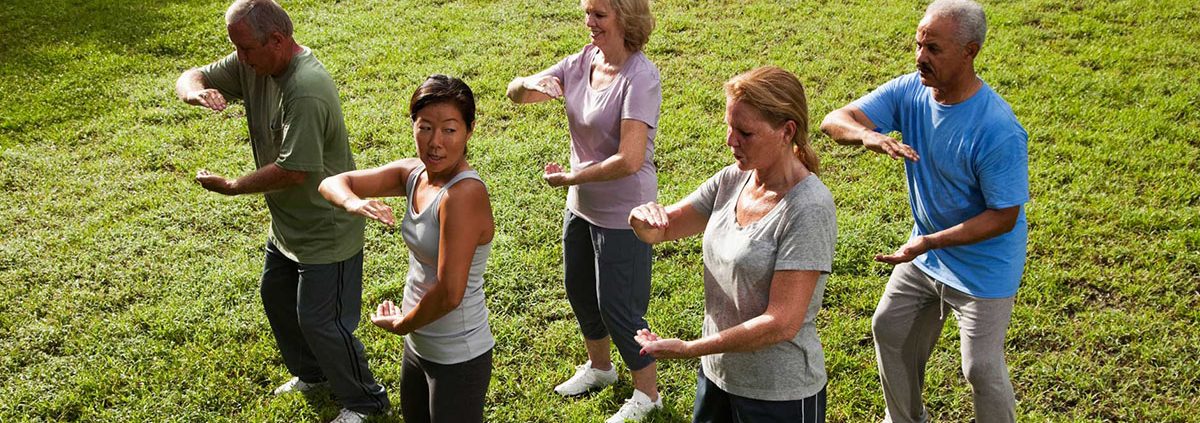
Mindfulness-based interventions (MBIs) such as yoga and tai chi can help stroke survivors fight elevated blood pressure, fatty acids and blood sugar levels, according to study published in Future Neurology.

non-surgical approach in tennis elbow - درمانهای غیرجراحی در آرنج تنیس بازان

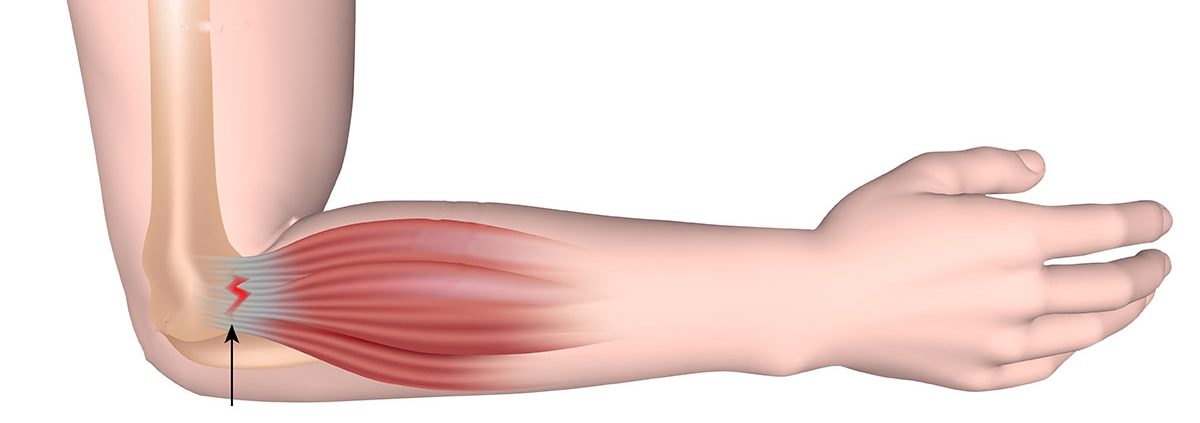
All tennis elbow non-surgical treatment options provide small pain relief, according to a systematic review and meta-analysis published in American Journal of Sport Medicine.